Price on request
Truper
Pediatric feet. A child's foot with front and rear bumpers and parts that can be swapped as the child grows.
Last updated: 5 October 2026 · Total: 5 products
Children need components scaled to small limbs and low body weight, and tough enough for playgrounds. Pediatric feet include simple designs like the WillowWood Pediatric SACH Foot, flexible everyday feet such as the College Park Truper and running blades like the Blatchford Mini BladeXT. Pediatric hands range from passive and body-powered models to small electric hands, for example the Steeper Junior Myo. Because children grow quickly, sockets and component sizes are reviewed often, and the device has to keep up with crawling, climbing and sport. Selection and fitting are done with a pediatric prosthetist.
Price on request
Pediatric feet. A child's foot with front and rear bumpers and parts that can be swapped as the child grows.
Price on request
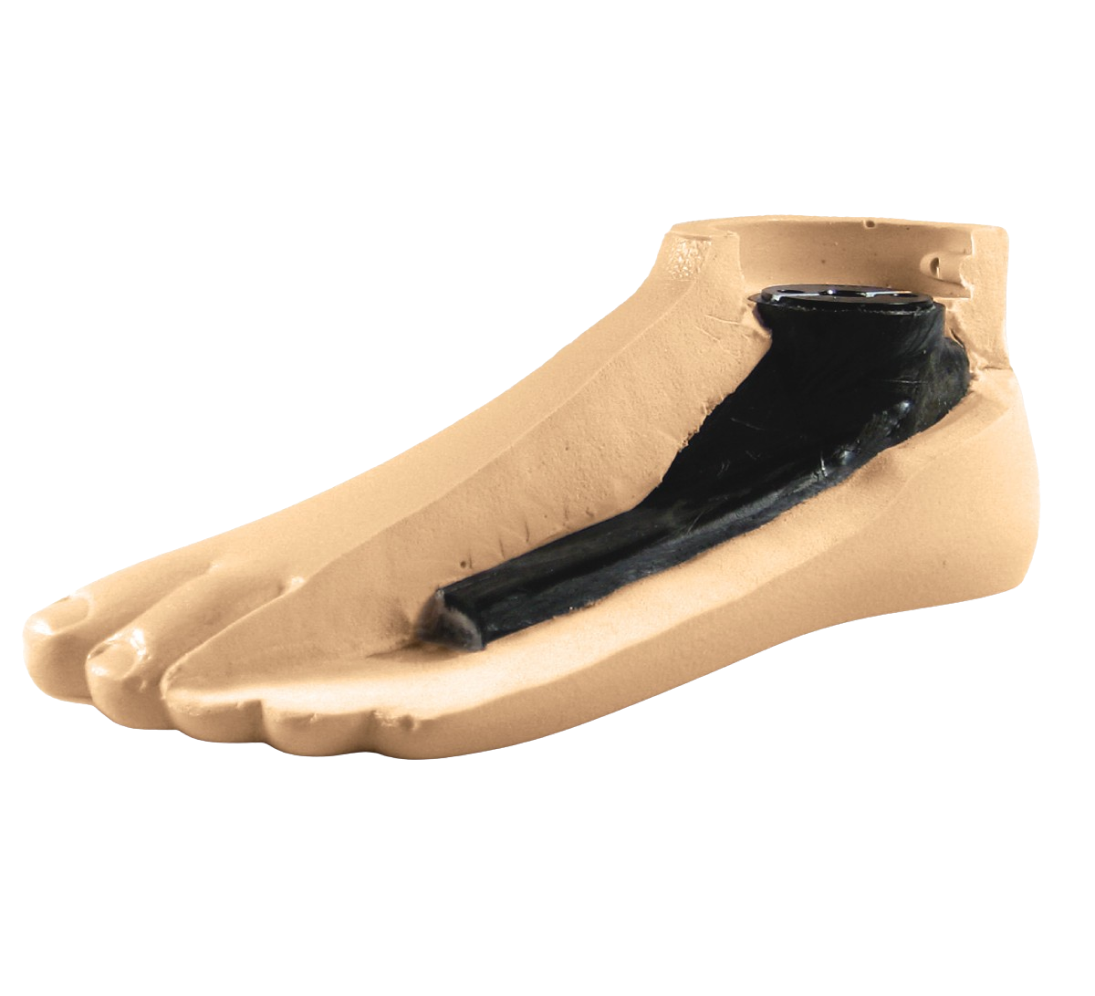
Pediatric feet. A low-cost, light SACH foot shaped for early walking.
Price on request
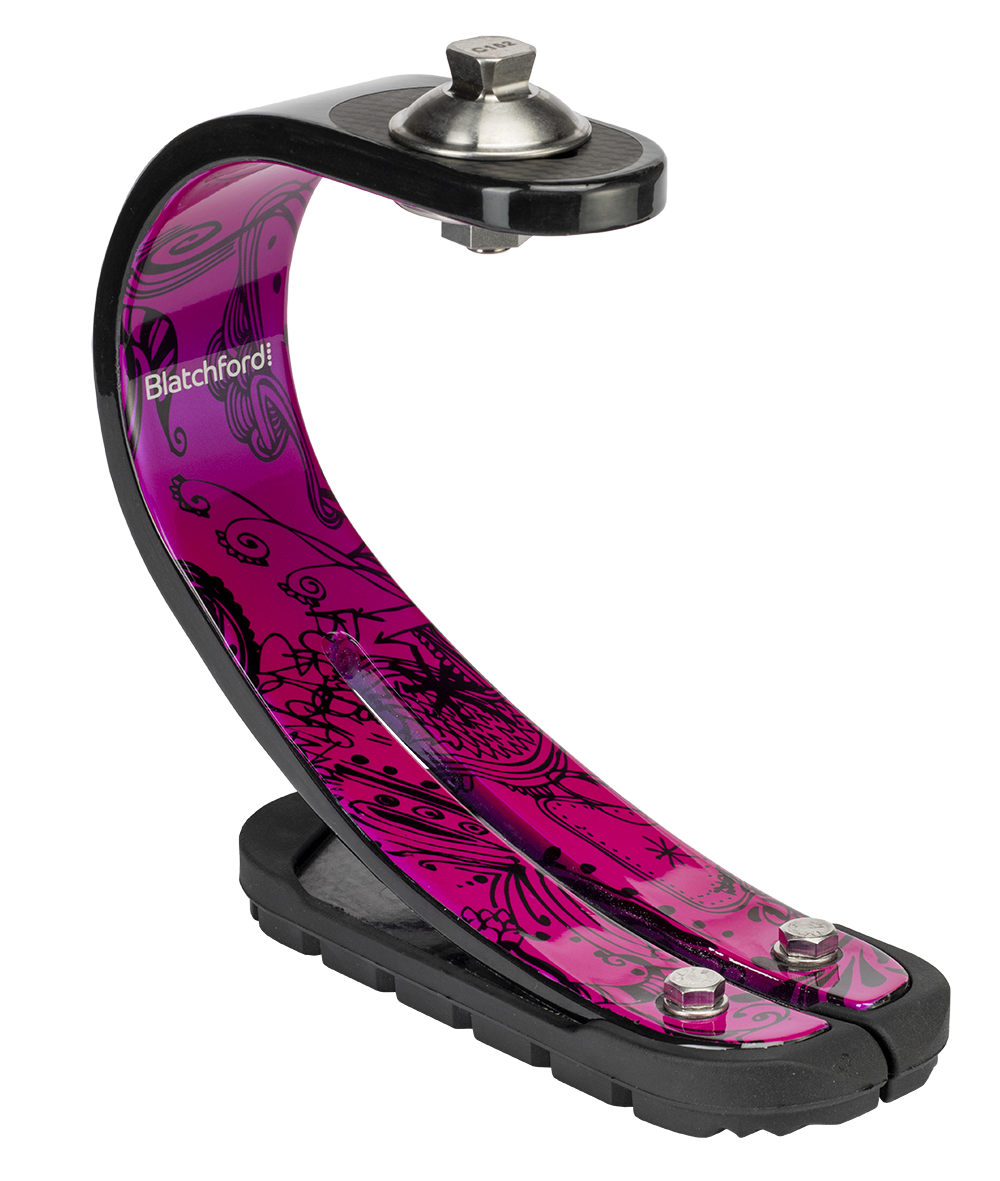
Pediatric feet. A children's version of the BladeXT sport blade with a traction sole.
Price on request
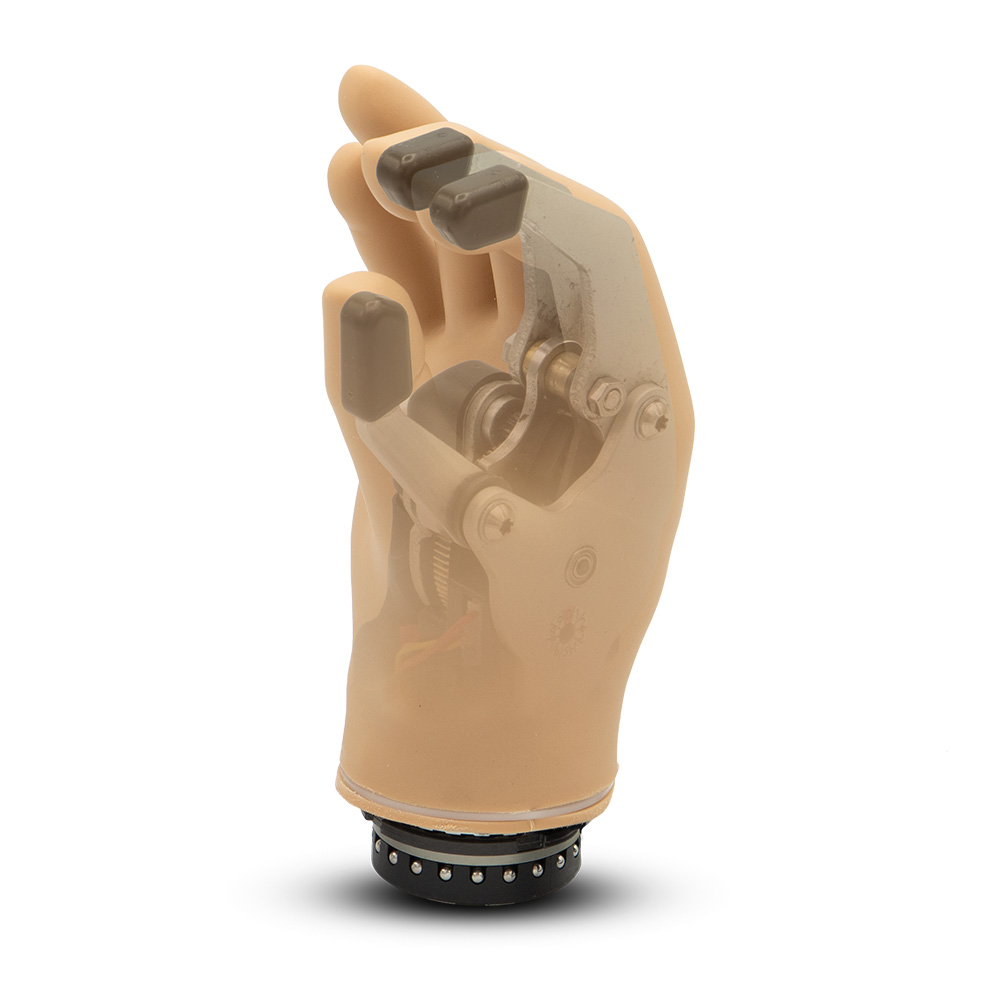
Pediatric hands. A small single-motor myoelectric hand suited to first-time users.
Price on request
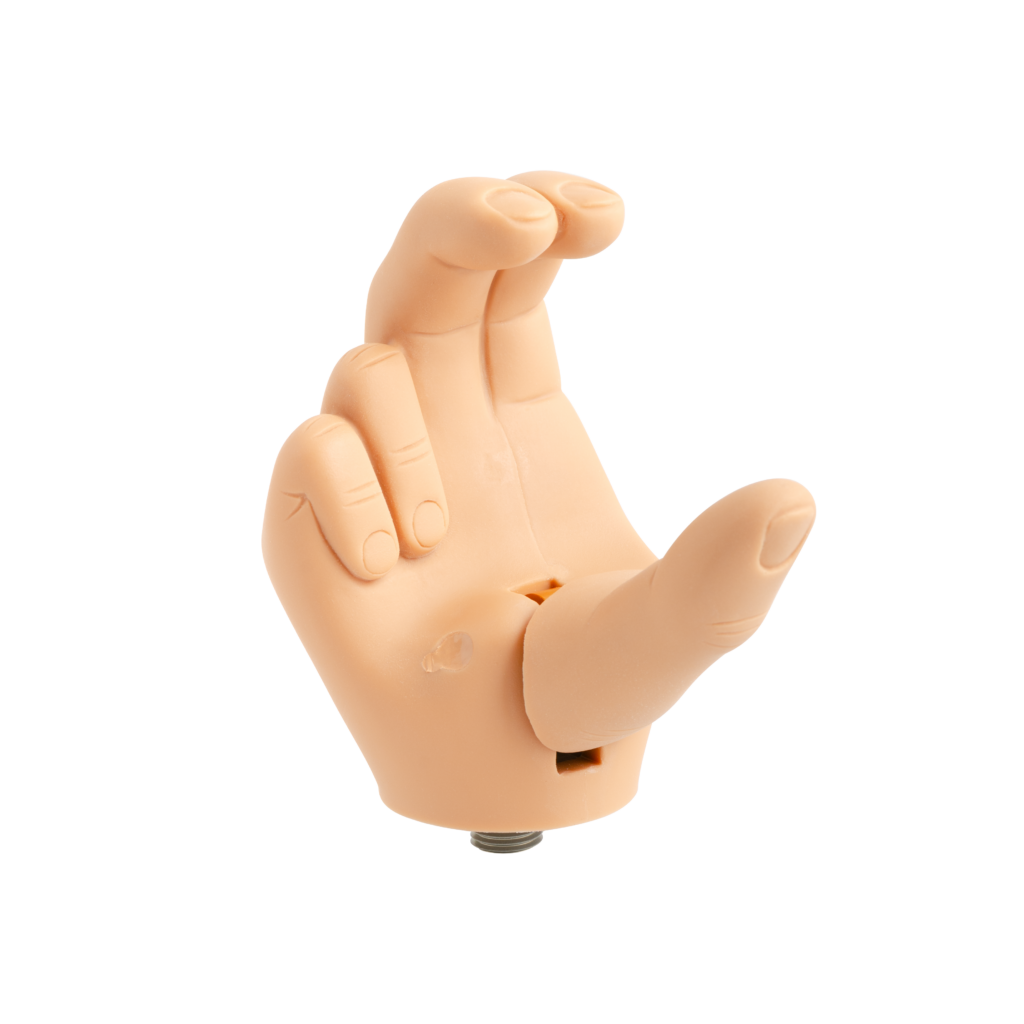
Pediatric hands. Flexible voluntary-closing hands in child sizes that need no glove.
Growth means sockets are commonly adjusted or replaced more often than for adults, and feet or hands change when the size or weight range is exceeded. The treating clinic sets the review schedule.
Yes, small electric hands exist for children. Whether and when to fit one is decided by the clinical team with the family, taking into account the child's limb, development and interest.