Price on request
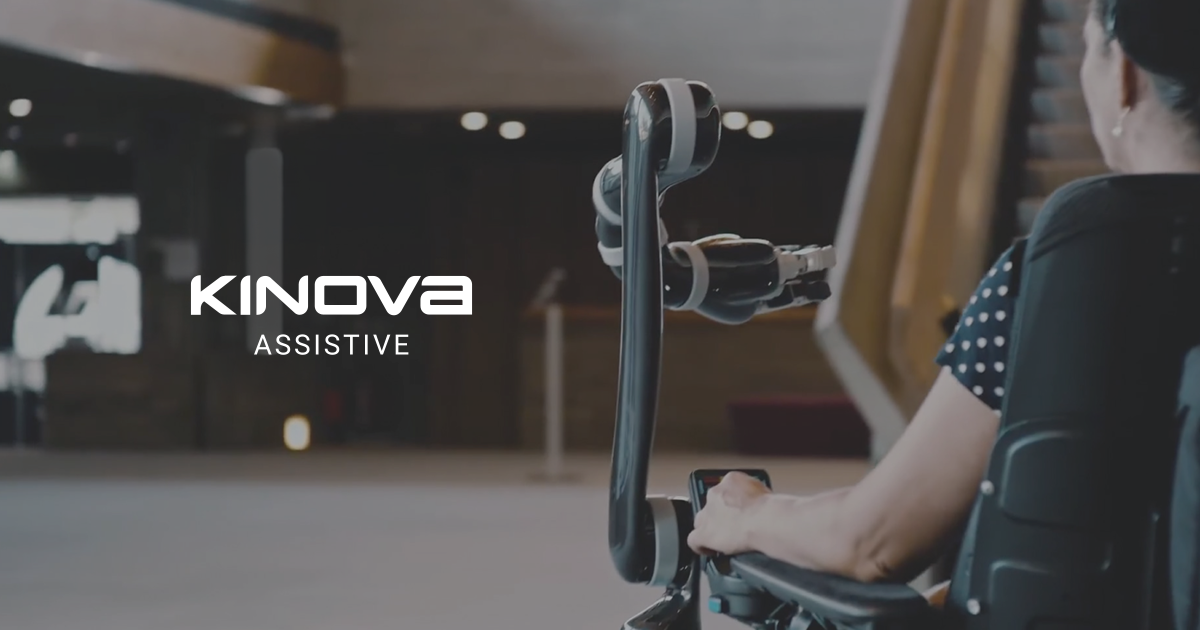
Jaco assistive robotic arm
Wheelchair-mounted robotic arms. Robotic arm mounted on a power wheelchair that lets the user grasp and manipulate everyday objects.
Last updated: 5 October 2026 · Total: 14 products
Electronics can stand in for movements a person cannot make. One half of this section deals with the physical world: robotic arms mounted on a wheelchair, robots that bring food to the mouth, and systems that open doors and operate lights, television and heating by switch or voice. The other half deals with the digital world: controlling a computer, tablet or phone by eye movement, head movement, a single switch or the mouth, and playing video games with adapted controllers. The common thread is finding one dependable action and connecting it to as many tasks as possible.
Price on request
Wheelchair-mounted robotic arms. Robotic arm mounted on a power wheelchair that lets the user grasp and manipulate everyday objects.
Price on request
Feeding robots. Switch-controlled robotic arm that scoops food from four compartments and brings it to the user's mouth.
Price on request
Feeding robots. Robotic eating aid operated by touchscreen, switches, voice or eye-gaze link.
Price on request
Automatic door openers. Low-voltage residential door opener that powers a hinged door open and closed from a remote or switch.
Price on request
Eye trackers. Clip-on eye tracker that gives full control of a Windows computer by eye gaze.
USD 799 (manufacturer shop)
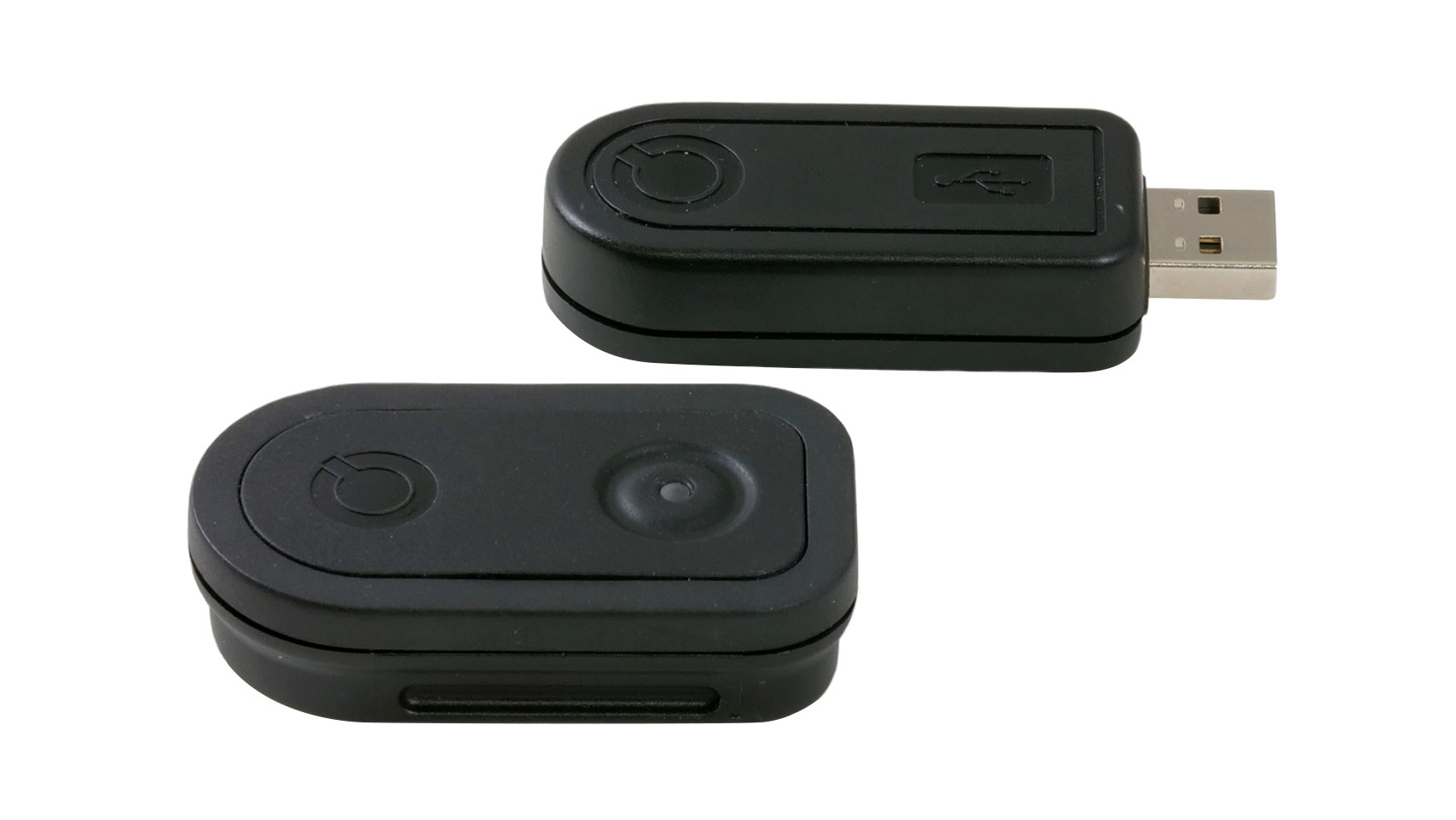
Head mice. Wearable Bluetooth head mouse that also works as a switch interface and joystick.
Discontinued
Price on request
Mouth-operated mice. Wireless mouth-controlled mouse moved with the lips and clicked by sip and puff.
Price on request
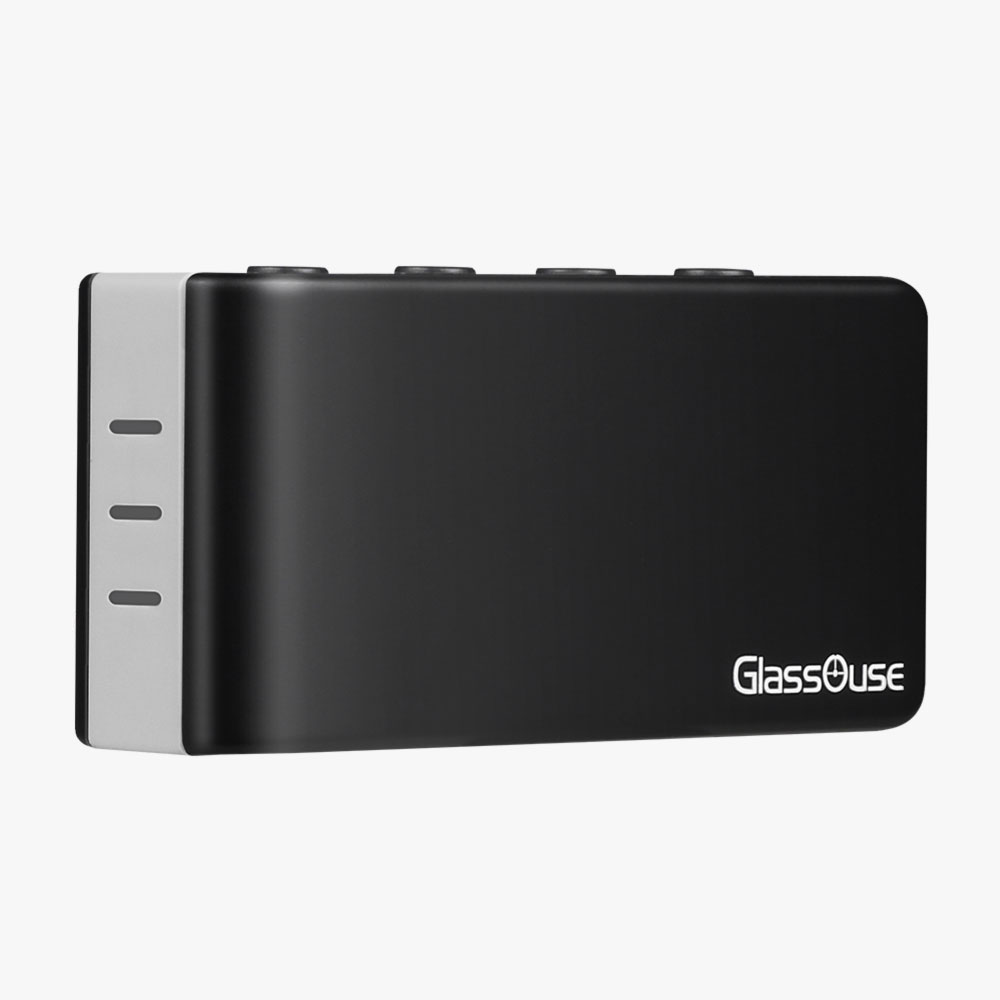
Adaptive gaming controllers. Controller hub with large buttons and many ports for plugging in external switches and joysticks.
USD 99.99 (manufacturer shop)
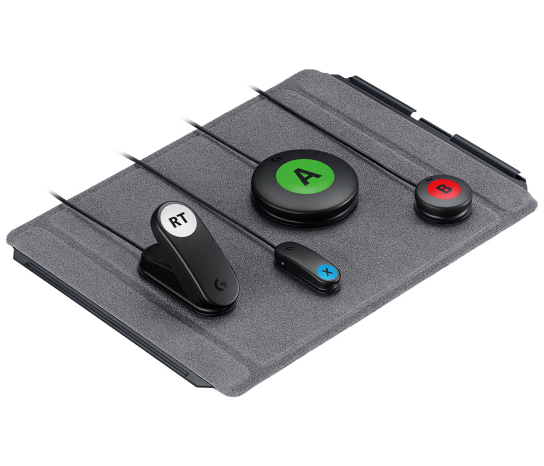
Adaptive gaming controllers. Set of plug-in buttons and triggers with mounting boards for the Xbox Adaptive Controller.
Options include eye tracking, head-controlled pointers, mouth-operated joysticks, voice control and switch scanning. Modern operating systems have built-in accessibility features that work with these input devices.
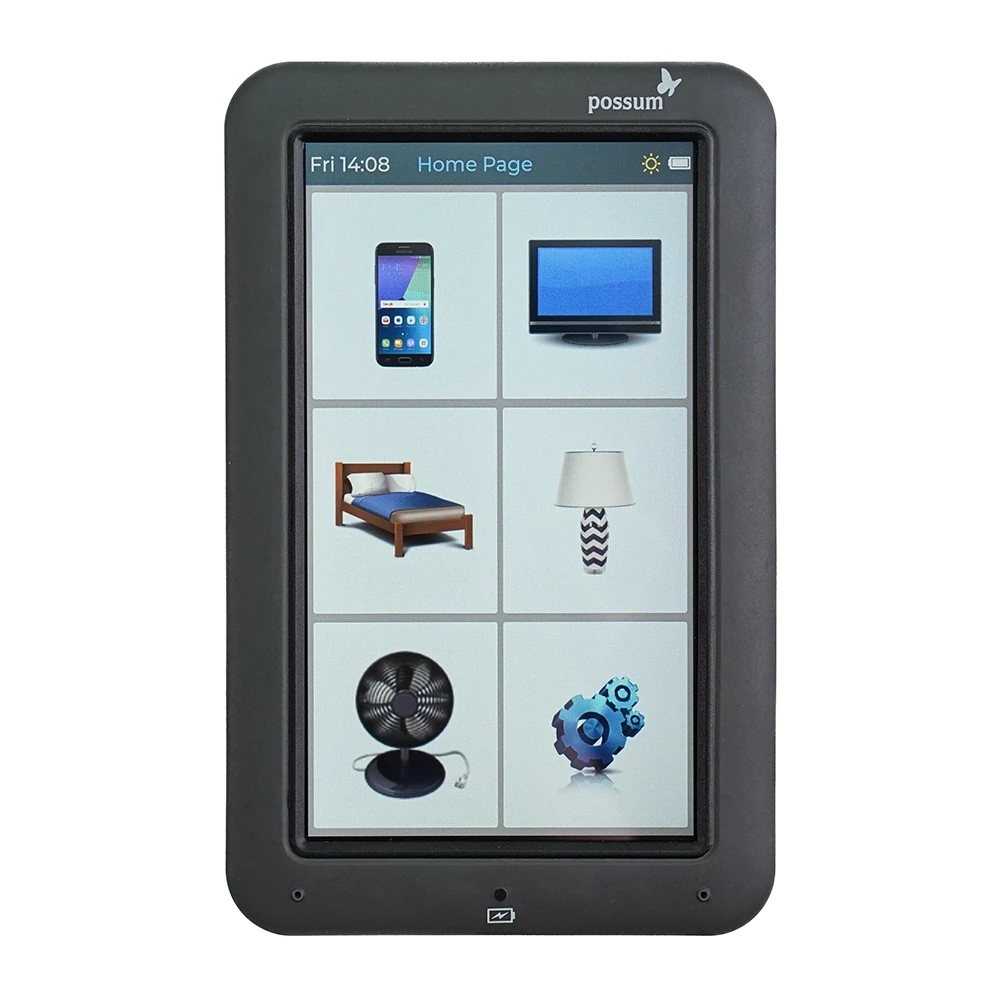
It is a system that lets a person operate household equipment such as lights, doors, television, bed and intercom from one accessible interface, for example a switch, a tablet or voice.