Price on request
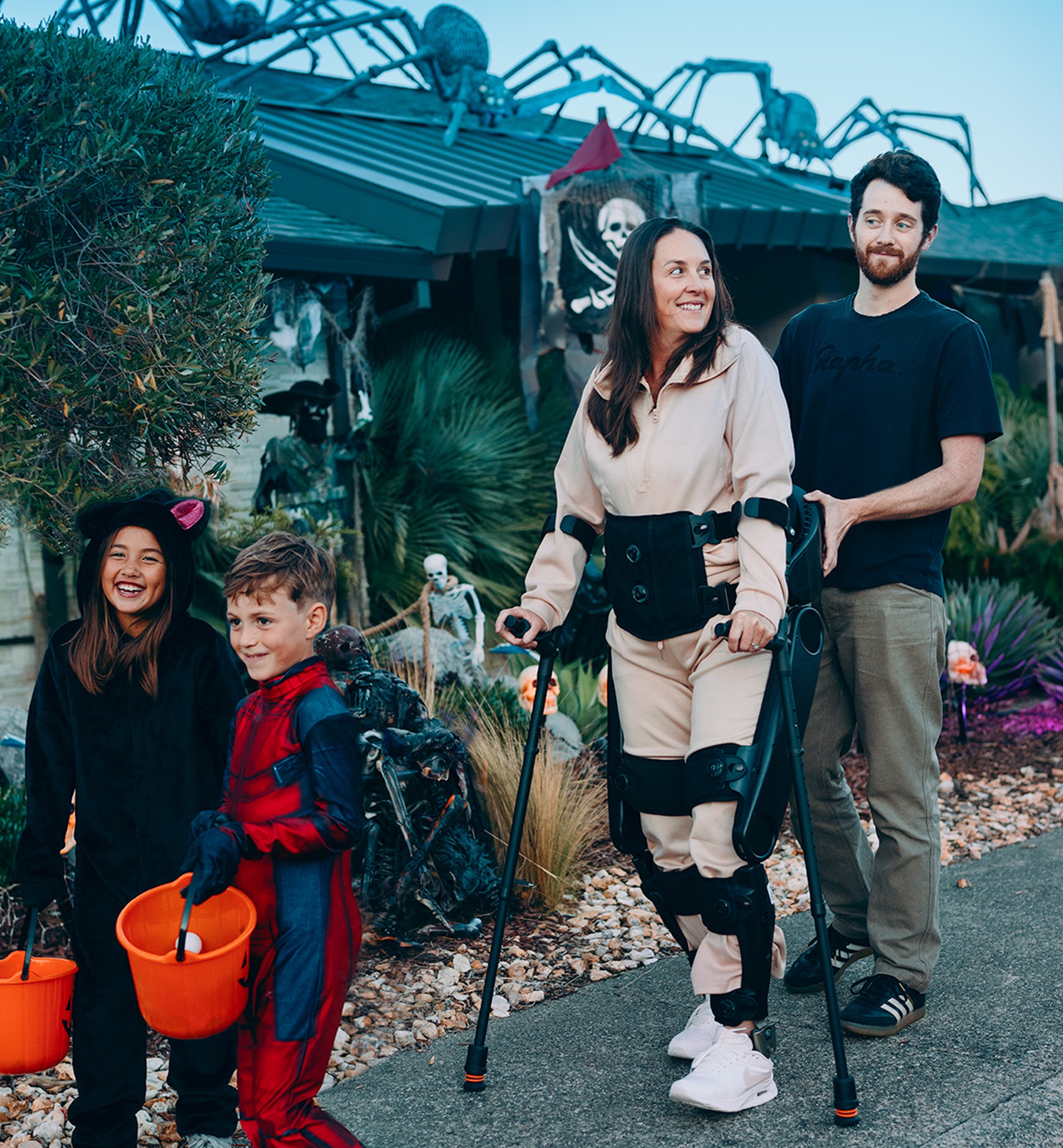
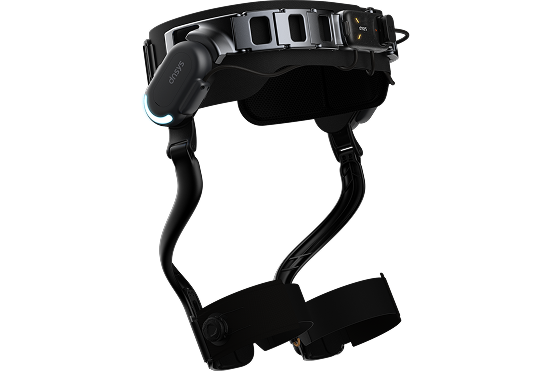
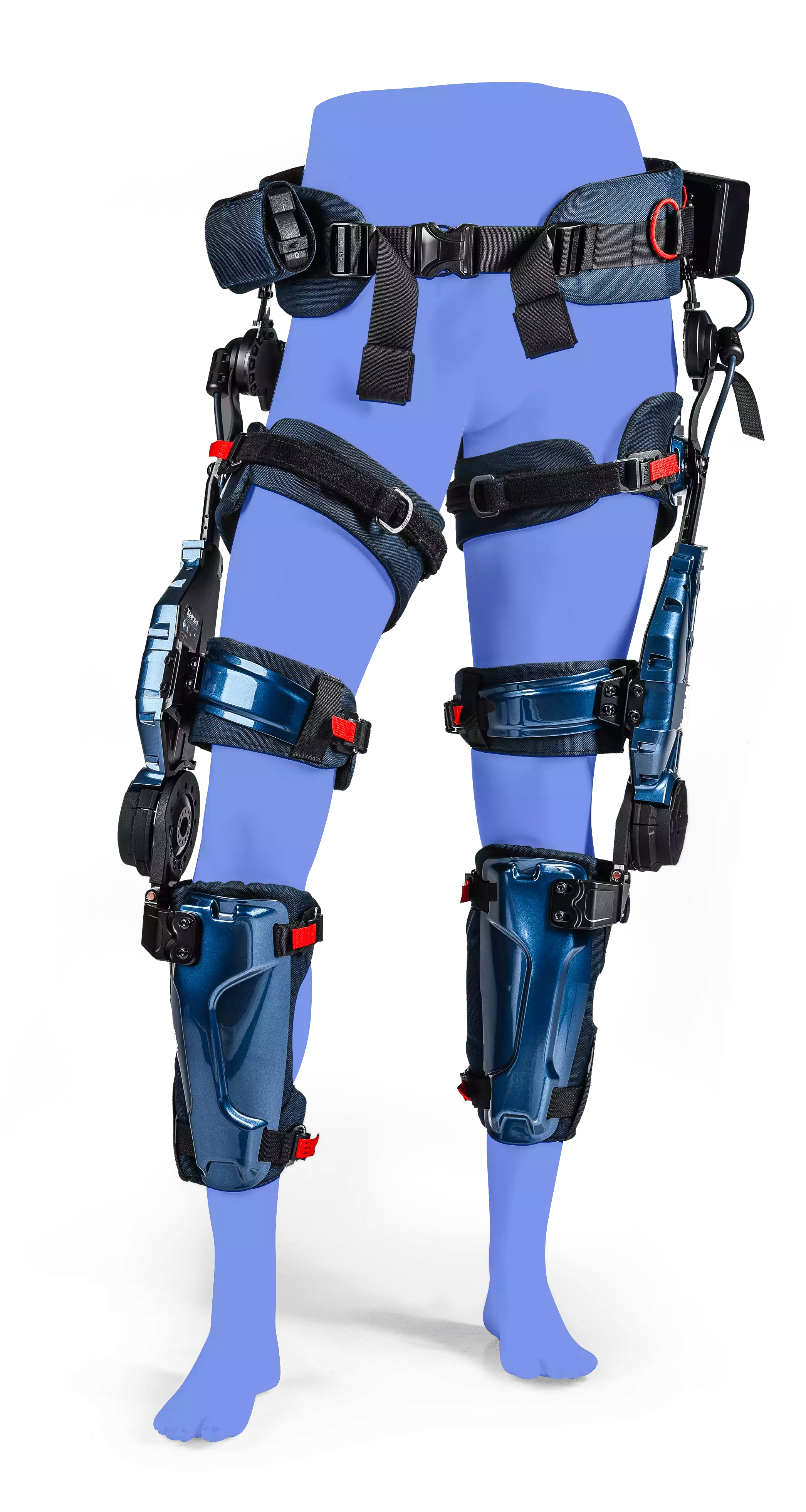
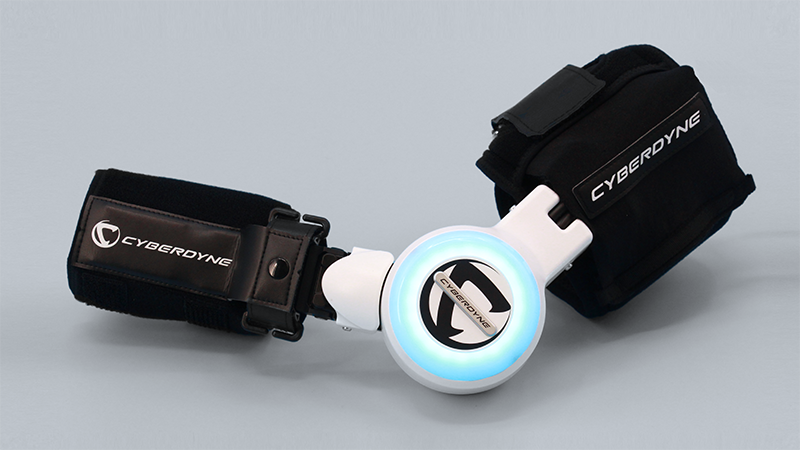
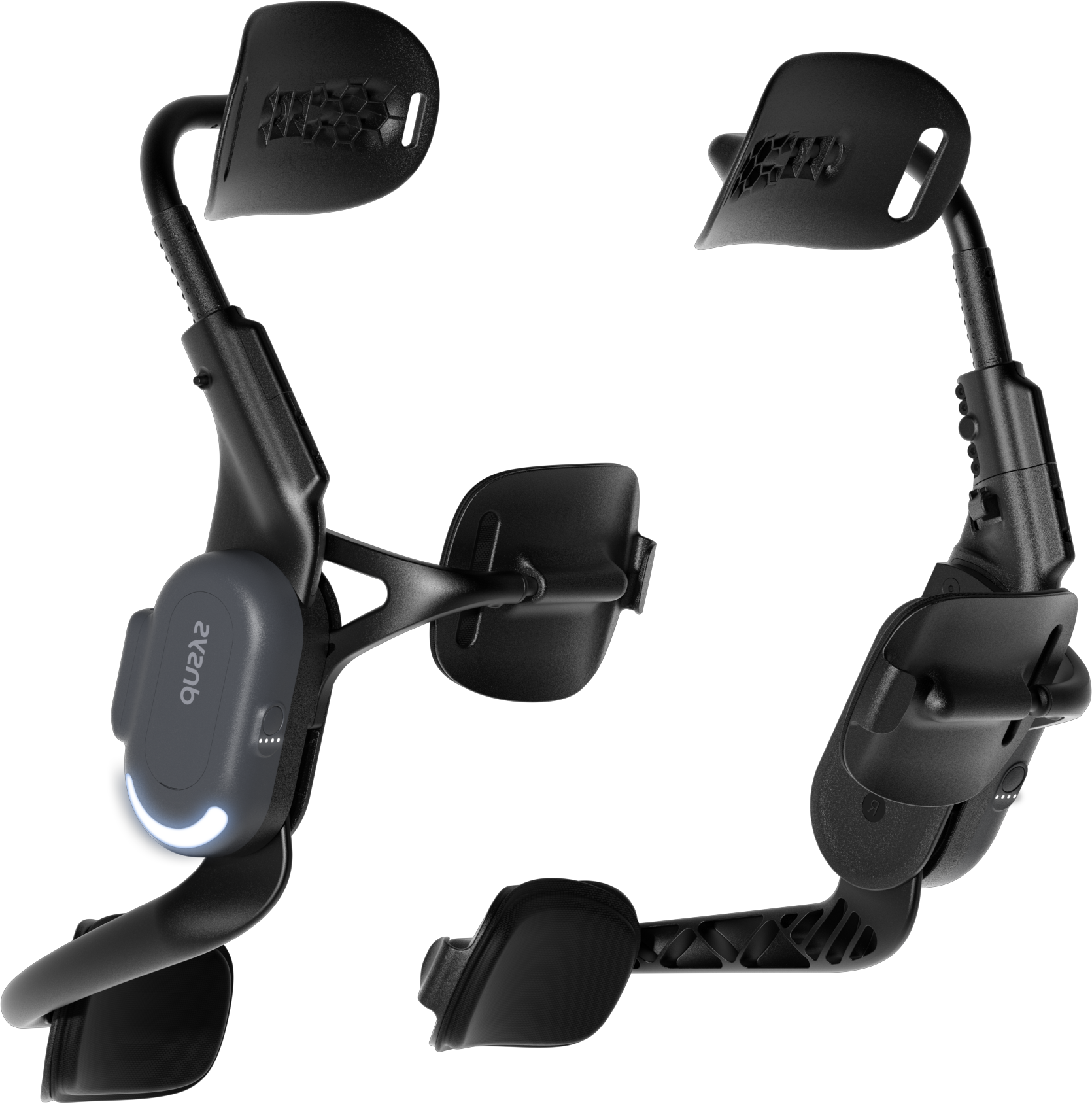
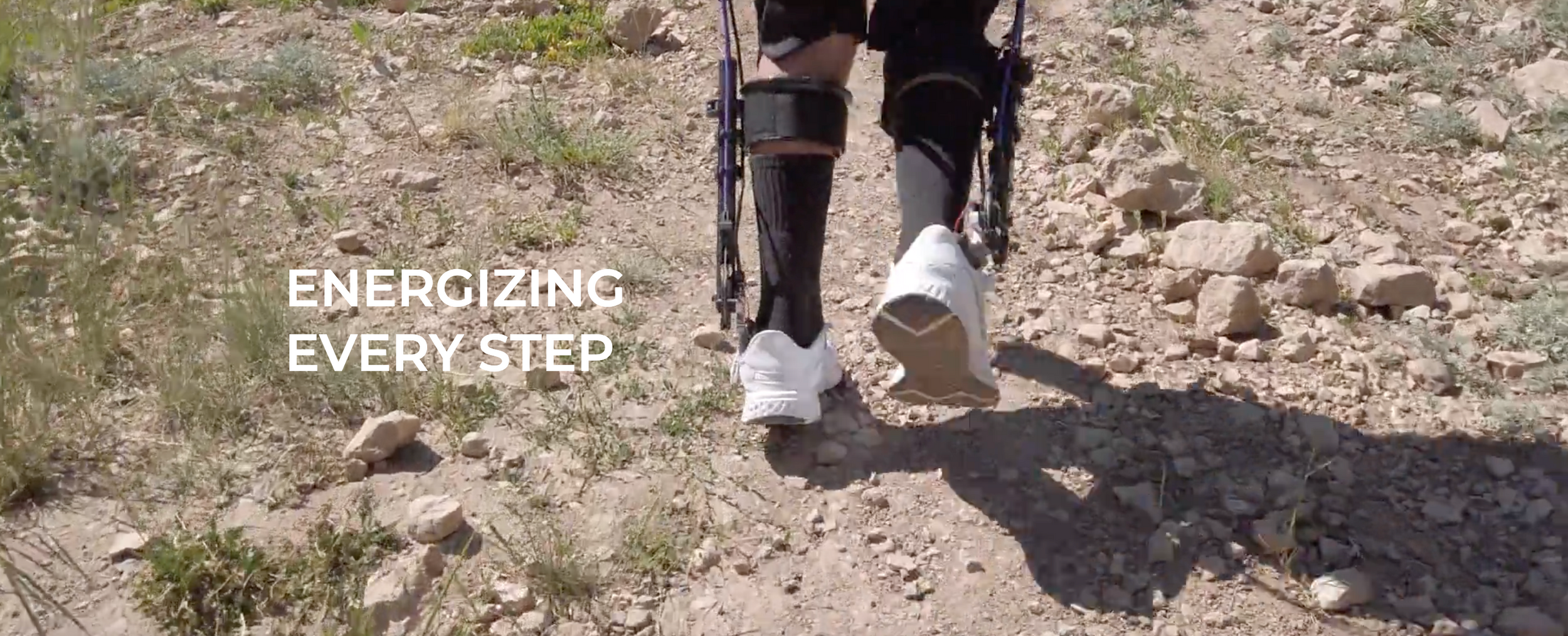
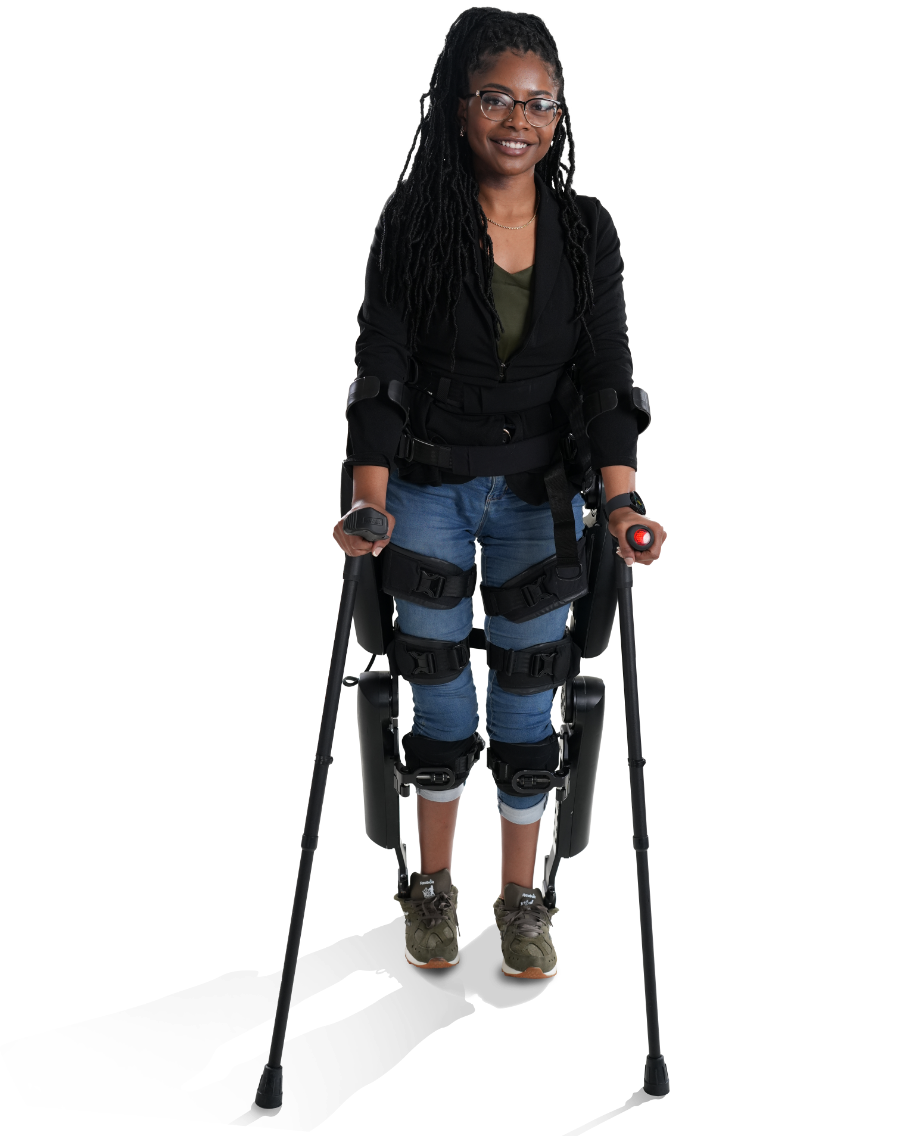
ReWalk 7 Personal Exoskeleton
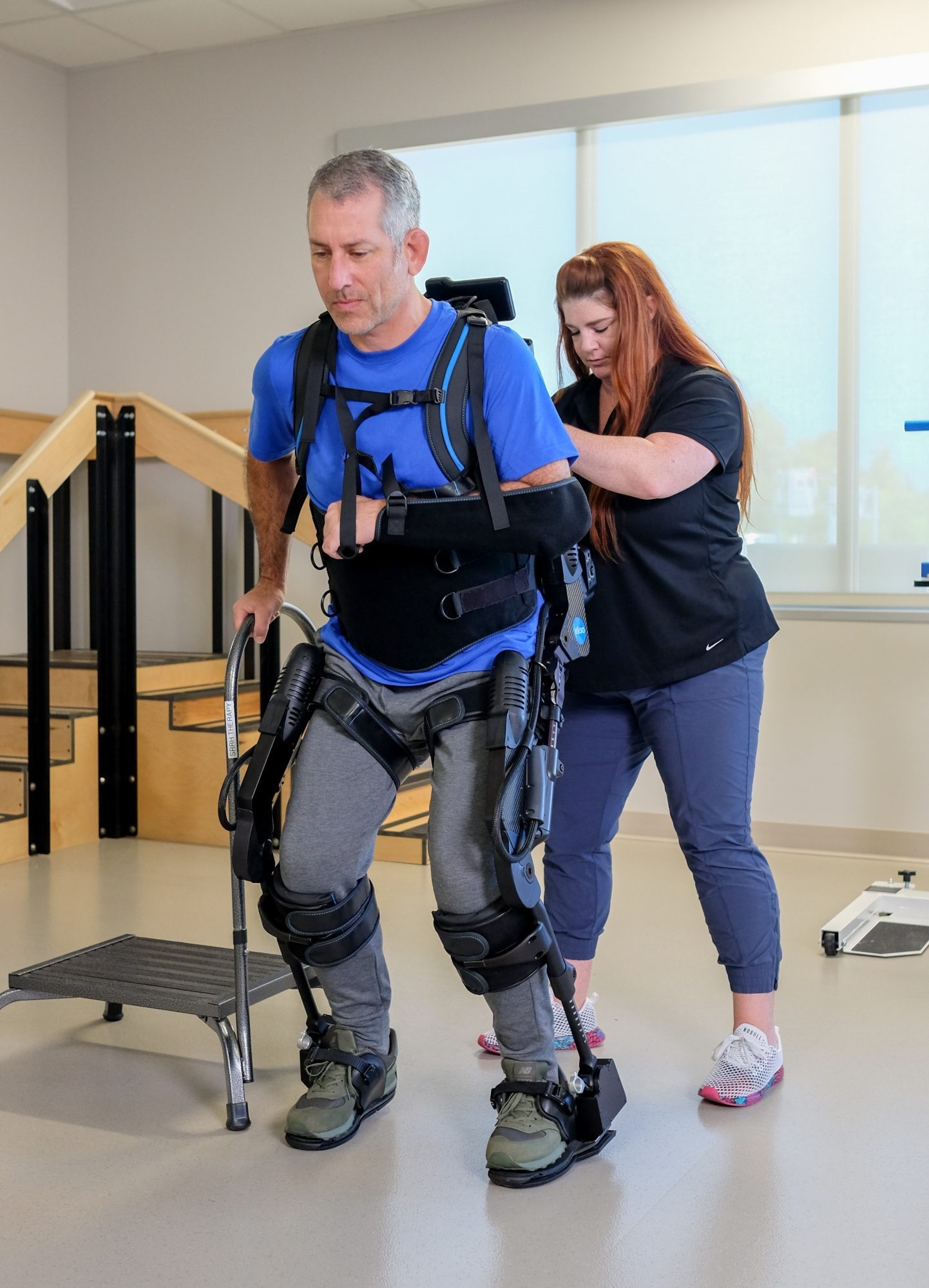
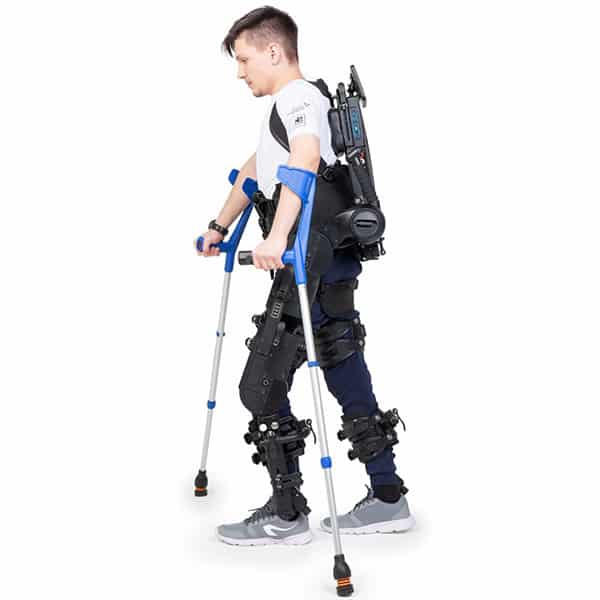
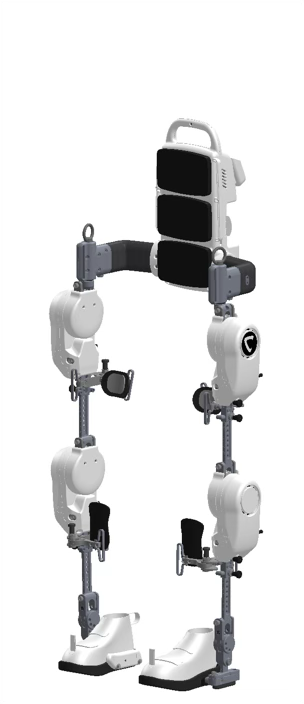
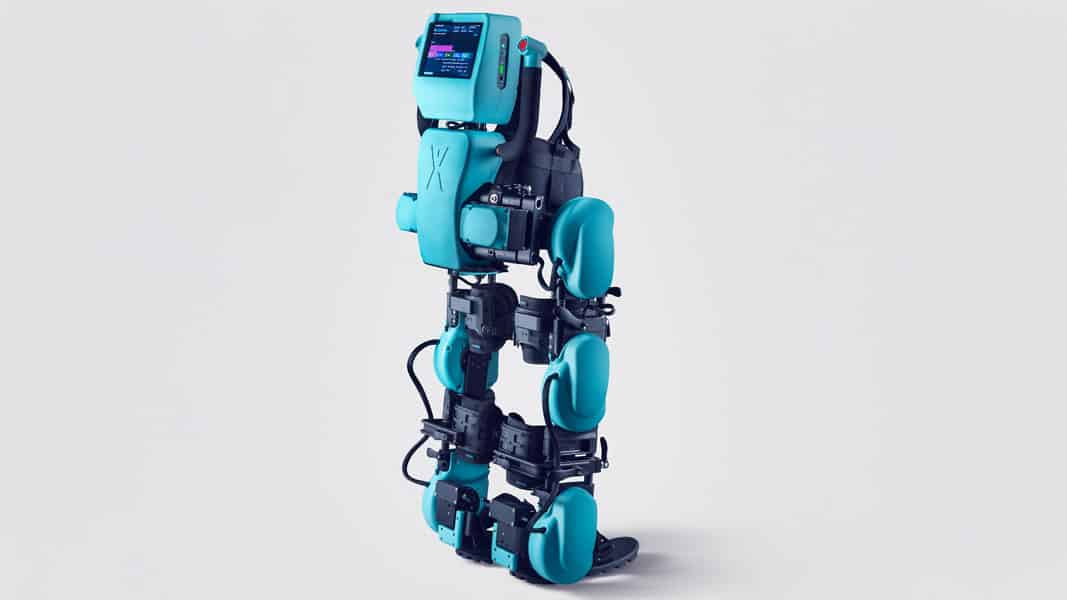
Personal-use exoskeletons (spinal cord injury). Wearable robotic exoskeleton with motorised hips and knees that lets people with spinal cord injury stand, walk, turn and use stairs with crutches.
Last updated: 5 October 2026 · Total: 58 products
Wearable and stationary robots are now used for both therapy and daily mobility. Walking exoskeletons strap to the legs and trunk and move the hips and knees through steps. Single-joint devices and soft exosuits assist one joint, usually hip, knee or ankle. Upper-limb devices support a weak arm or hand, from powered orthoses to robotic gloves. Robotic gait and standing trainers are fixed installations for rehabilitation centres. A final page lists industrial exoskeletons for workers, shown only for context. Suitability is assessed and training is given by clinicians, and many devices are sold only to clinics.
Price on request
Personal-use exoskeletons (spinal cord injury). Wearable robotic exoskeleton with motorised hips and knees that lets people with spinal cord injury stand, walk, turn and use stairs with crutches.
Price on request
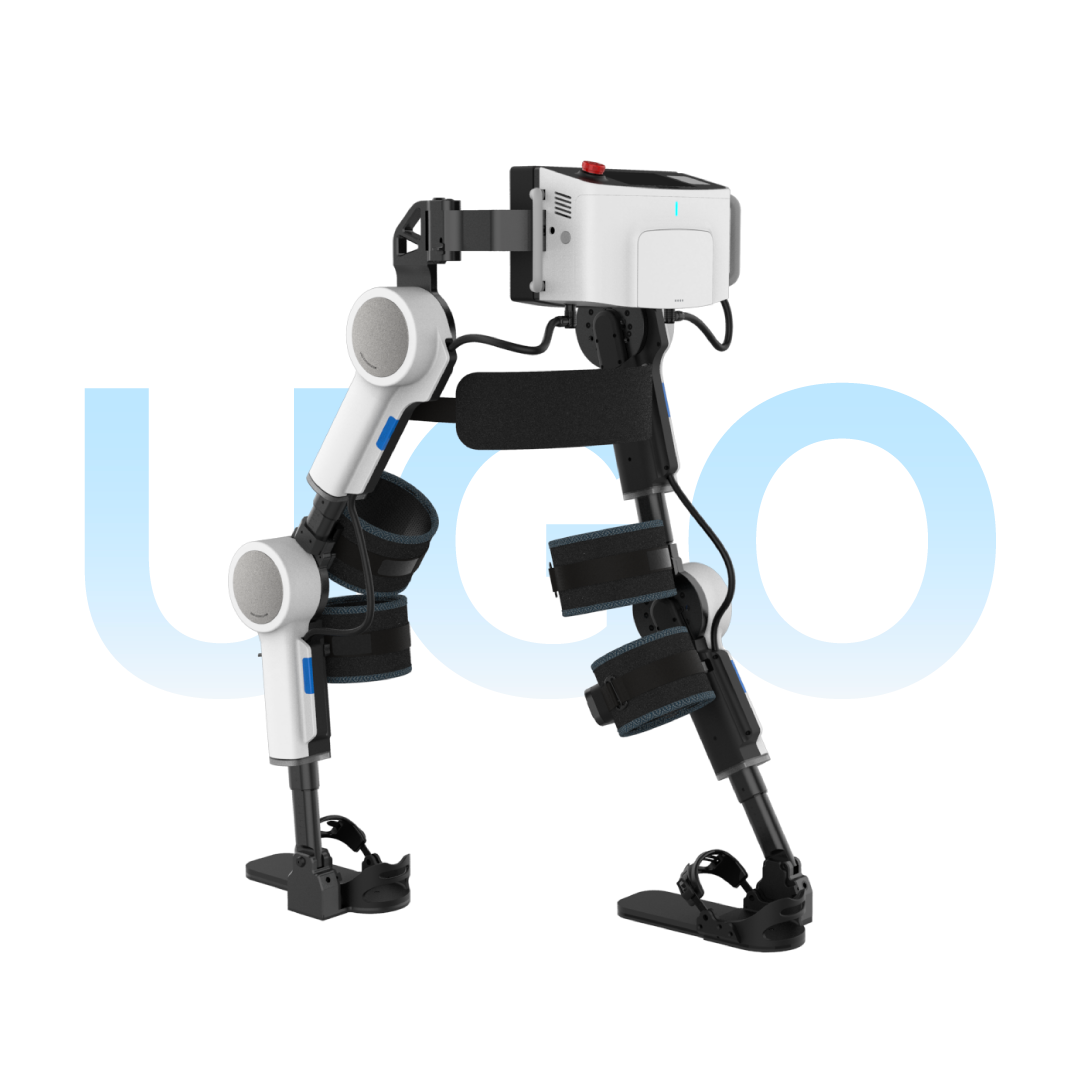
Personal-use exoskeletons (spinal cord injury). Modular powered hip-knee exoskeleton that the user can put on independently for walking at home and in the community.
Price on request
Personal-use exoskeletons (spinal cord injury). Powered lower-limb exoskeleton used with crutches to help people with leg weakness stand up, walk and sit down.
Price on request
Self-balancing exoskeletons. Self-balancing personal exoskeleton that provides hands-free upright mobility at home without crutches.
Price on request
Self-balancing exoskeletons. Hands-free self-balancing rehabilitation exoskeleton for gait and balance therapy in clinics.
Price on request
Self-balancing exoskeletons. Hands-free, self-supporting robotic walking device used in physiotherapy and spinal rehabilitation settings.
Price on request
Clinical / rehabilitation gait exoskeletons. Rehabilitation exoskeleton that helps therapists get patients standing and walking early in neurological recovery.
Price on request
Clinical / rehabilitation gait exoskeletons. Wearable robot that reads the wearer's bio-electrical signals to assist hip and knee movement during gait therapy.
Price on request
Clinical / rehabilitation gait exoskeletons. Robotic exoskeleton for gait training in neurorehabilitation hospitals and clinics.
Price on request
Clinical / rehabilitation gait exoskeletons. Powered hip-knee gait-training exoskeleton with cloud data platform and optional FES, used in rehabilitation clinics.
Price on request
Clinical / rehabilitation gait exoskeletons. Hip-knee powered exoskeleton combined with a wheeled balance-support frame for institutional gait training.
Price on request
Clinical / rehabilitation gait exoskeletons. Wearable walking-training robot for people with incomplete lower-limb paralysis.
Price on request
Clinical / rehabilitation gait exoskeletons. Active lower-limb exoskeleton for gait rehabilitation that breaks down into three parts for transport.
Price on request
Clinical / rehabilitation gait exoskeletons. Active overground exoskeleton system that guides patients through a natural walking pattern during rehabilitation.
Price on request
Clinical / rehabilitation gait exoskeletons. Lower-limb exoskeleton for walking training in hospital rehabilitation departments, with a separate household version.
Price on request
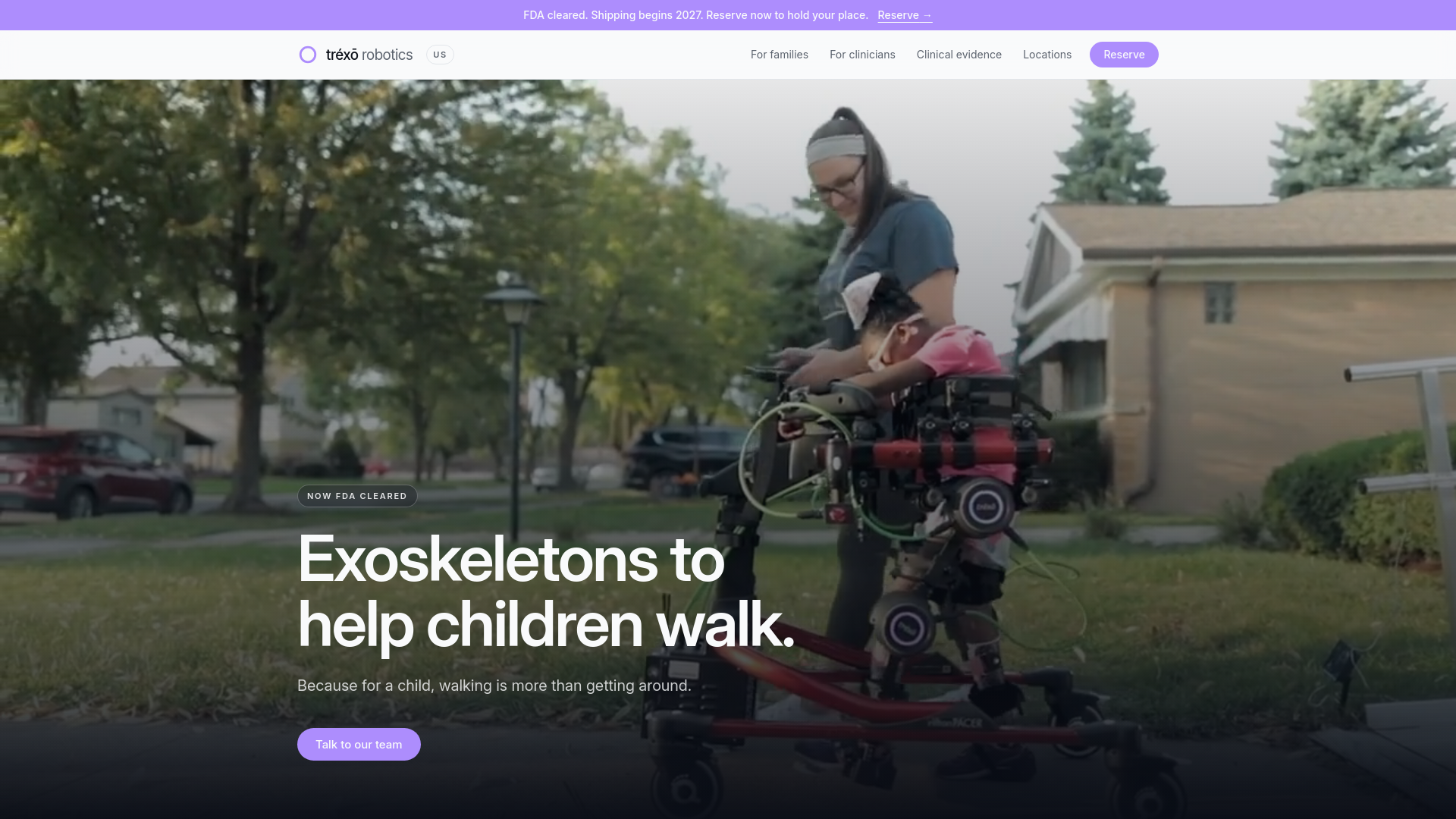
Pediatric exoskeletons. Robotic gait device for children that powers each step and is built for use at home as well as in clinics.
Price on request
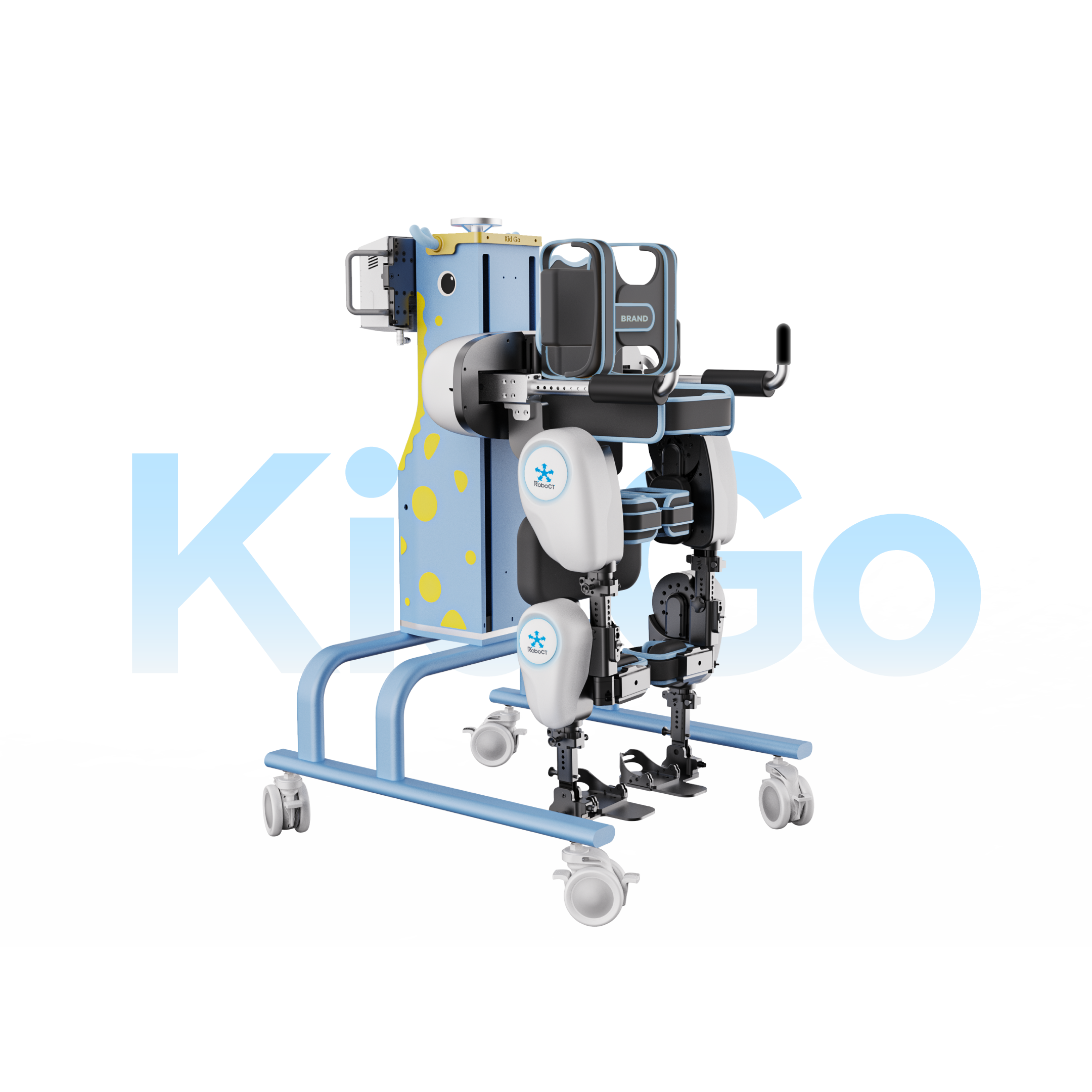
Pediatric exoskeletons. Pediatric trunk-to-foot gait exoskeleton with a safety frame for walking therapy.
Price on request
Pediatric exoskeletons. Wearable pediatric exoskeleton for assisted walking in everyday places such as home, school and parks.
Price on request
Pediatric exoskeletons. Small-size version of the HAL hip-knee therapy robot for children.
Price on request
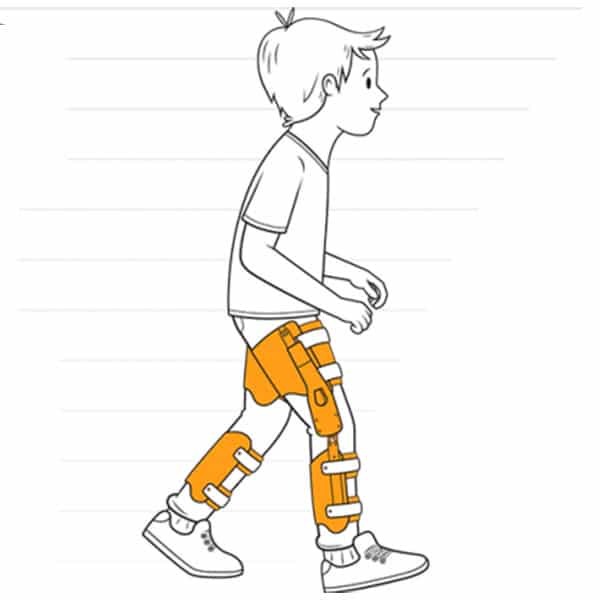
Pediatric exoskeletons. Lightweight powered knee orthosis that assists knee extension to address crouch gait in children.
Price on request
Soft exosuits. Soft robotic suit that assists ankle push-off and foot clearance during post-stroke gait training.
Price on request
Powered hip devices. Lightweight hip-assist wearable robot for gait training and return to daily activity.
USD 999-1,999 (manufacturer site)
Powered hip devices. Consumer hip exoskeleton with dual motors and adaptive assistance for hiking and everyday walking.
Price on request
Powered knee devices. Compact wearable unit that assists movement of a single joint using bio-electrical signals.
USD 5,000 MSRP (GearJunkie, 2024)
Powered knee devices. Hiking trousers with detachable powered knee modules that assist climbing and support the knees on descents.
Price on request
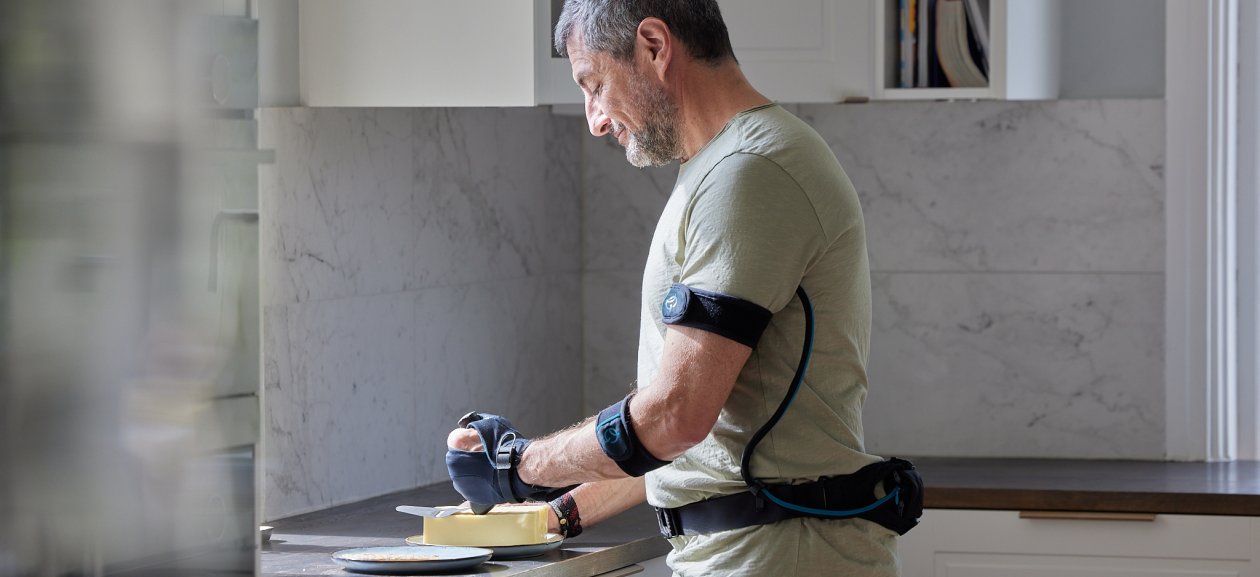
Powered knee devices. Pneumatically actuated robotic knee brace system with a back-worn power pack.
Price on request
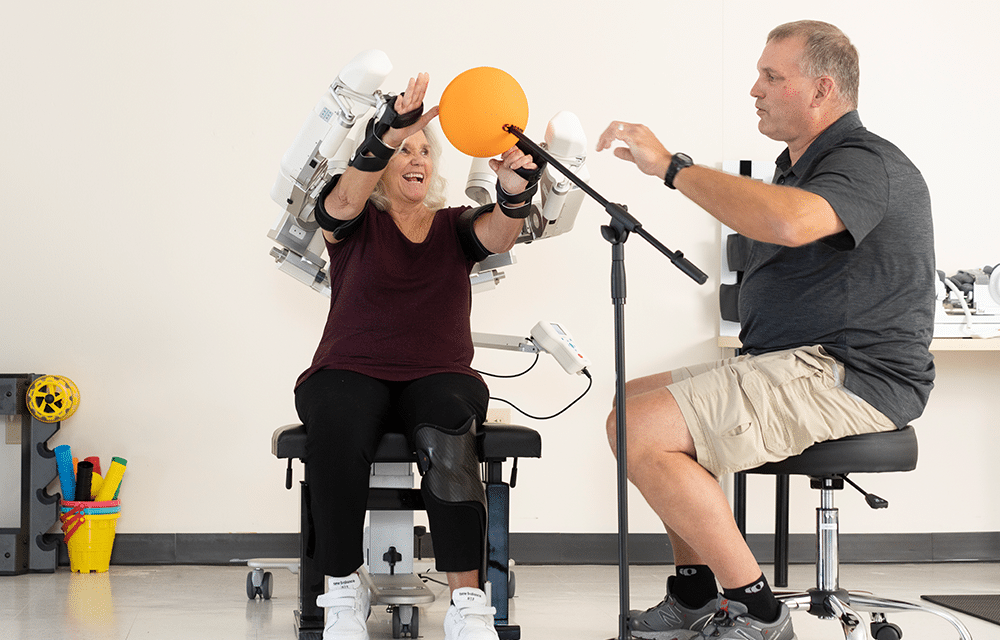
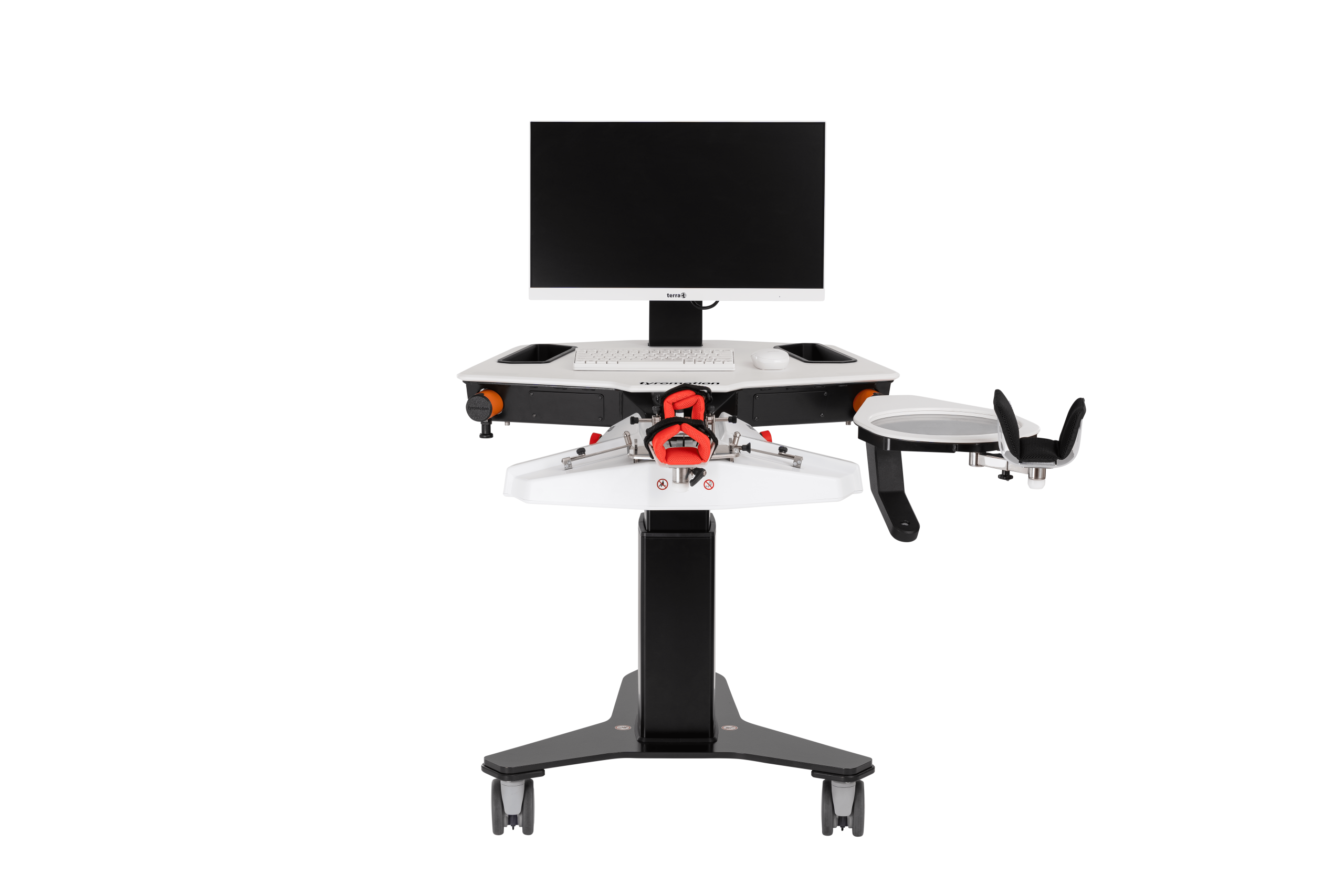
Harmonic Bionics (Bioness Medical)
Powered arm orthoses and exoskeletons. Bilateral robotic exoskeleton for shoulder and arm therapy that follows scapulohumeral rhythm.
Price on request
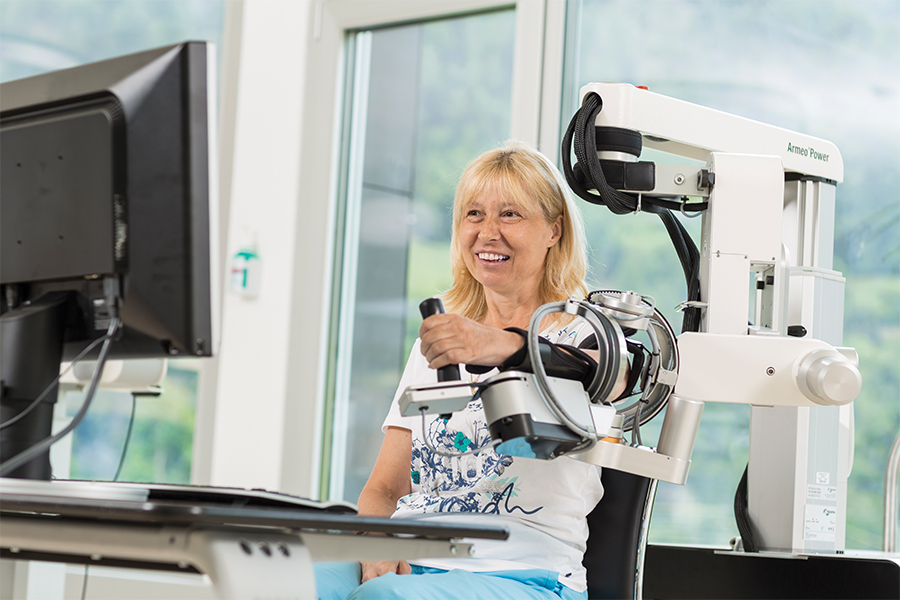
Powered arm orthoses and exoskeletons. Robotic arm exoskeleton for early-stage therapy of severely impaired arms with game-based exercises.
Price on request
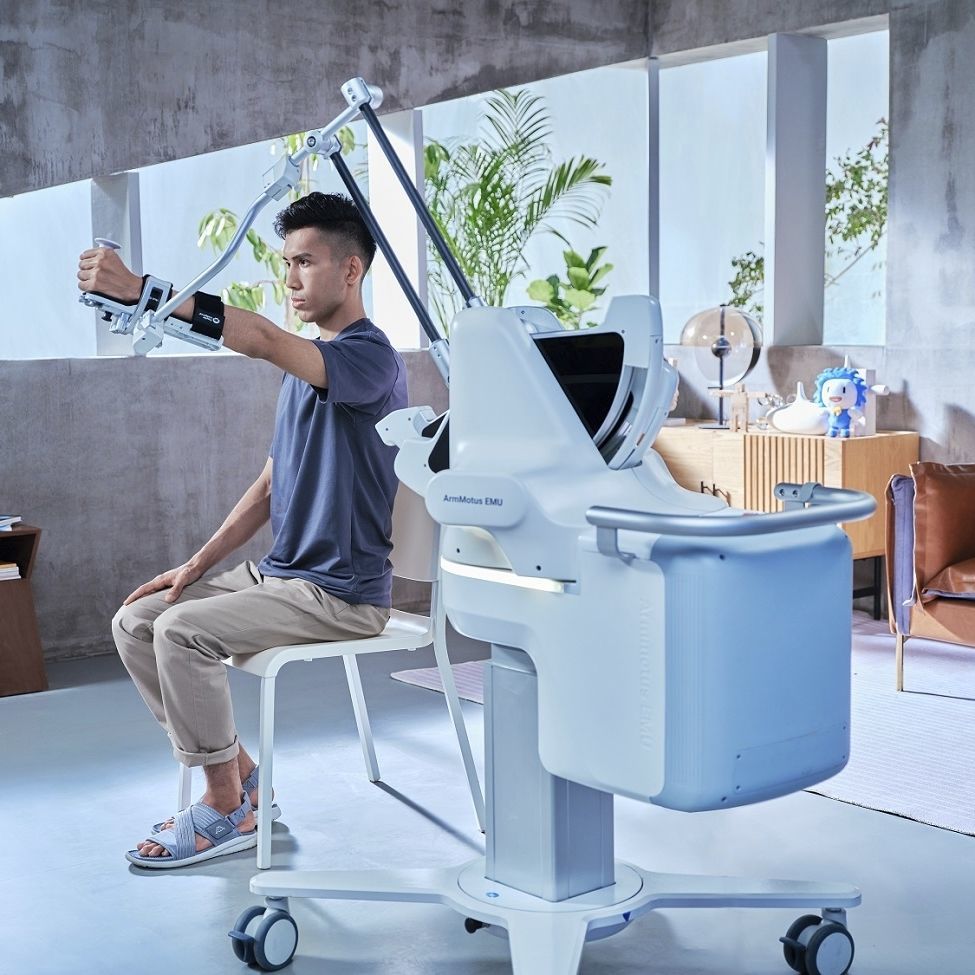
Powered arm orthoses and exoskeletons. Spring-based arm exoskeleton that supports arm weight for self-initiated movement therapy.
Price on request
Powered arm orthoses and exoskeletons. Cable-driven 3D upper-limb rehabilitation robot with force feedback.
Price on request
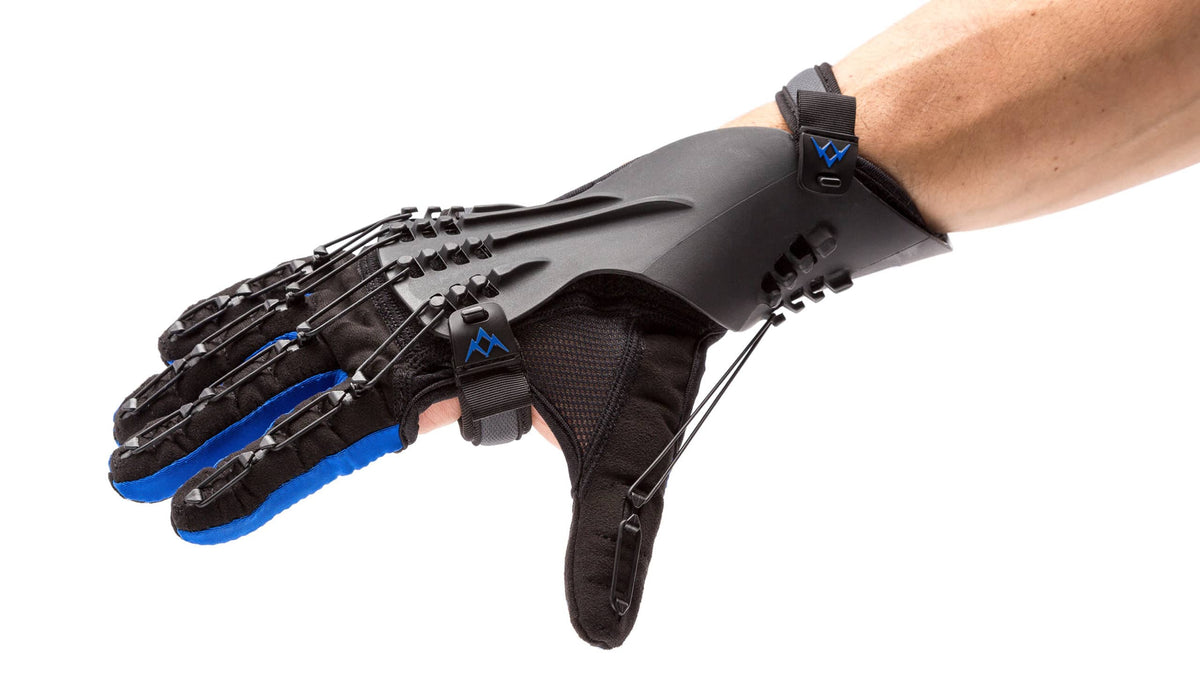
Robotic gloves and hand exoskeletons. Soft robotic glove that adds grip strength in proportion to the force the wearer applies.
Price on request
Robotic gloves and hand exoskeletons. Portable hand orthosis with artificial tendons that actively opens and closes the fingers.
Price on request
Robotic gloves and hand exoskeletons. Robot-assisted finger and hand therapy device for intensive distal upper-limb training.
Price on request
Robotic gloves and hand exoskeletons. Motorised glove system for hand rehabilitation with mirror bimanual training and games.
Price on request
Robotic gloves and hand exoskeletons. EMG-driven robotic hand brace that moves the fingers when the patient tries to move them.
Price on request
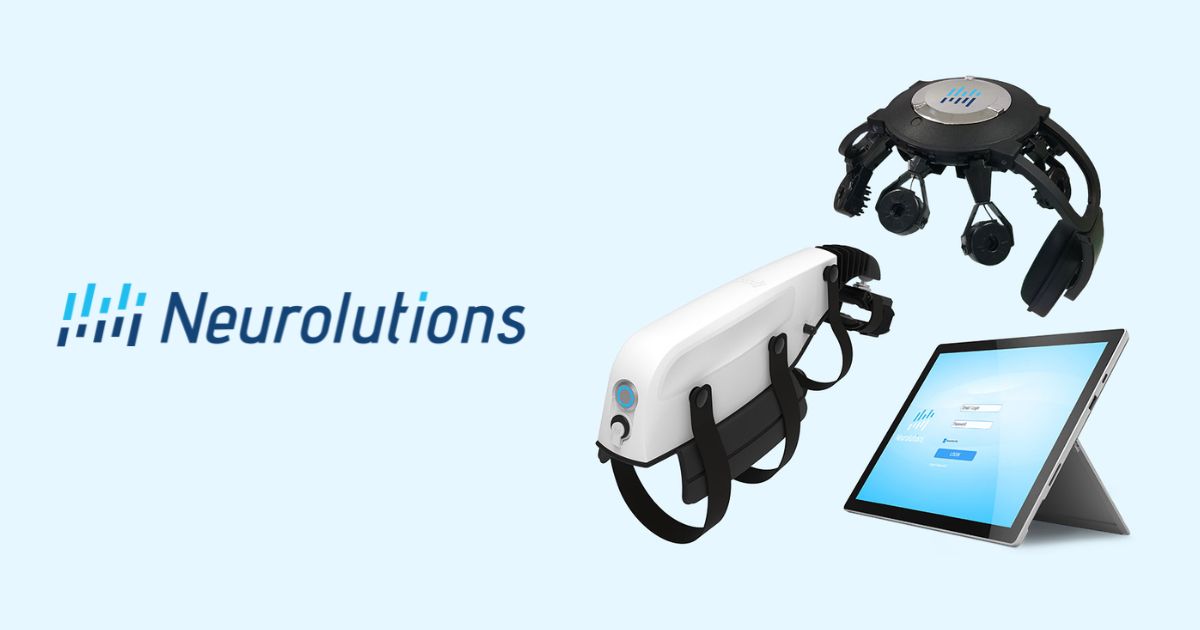
Robotic gloves and hand exoskeletons. Brain-computer-interface system in which an EEG headset triggers a powered handpiece to open and close the hand.
Price on request
Syrebo (Siyi Intelligent Technology)
Robotic gloves and hand exoskeletons. Soft robotic glove systems for hand rehabilitation in clinic and home versions.
Price on request
Robotic gloves and hand exoskeletons. Sensor glove that tracks forearm, wrist and finger movement for game-based rehabilitation exercises.
USD 299 (listed sale price; regular USD 349)
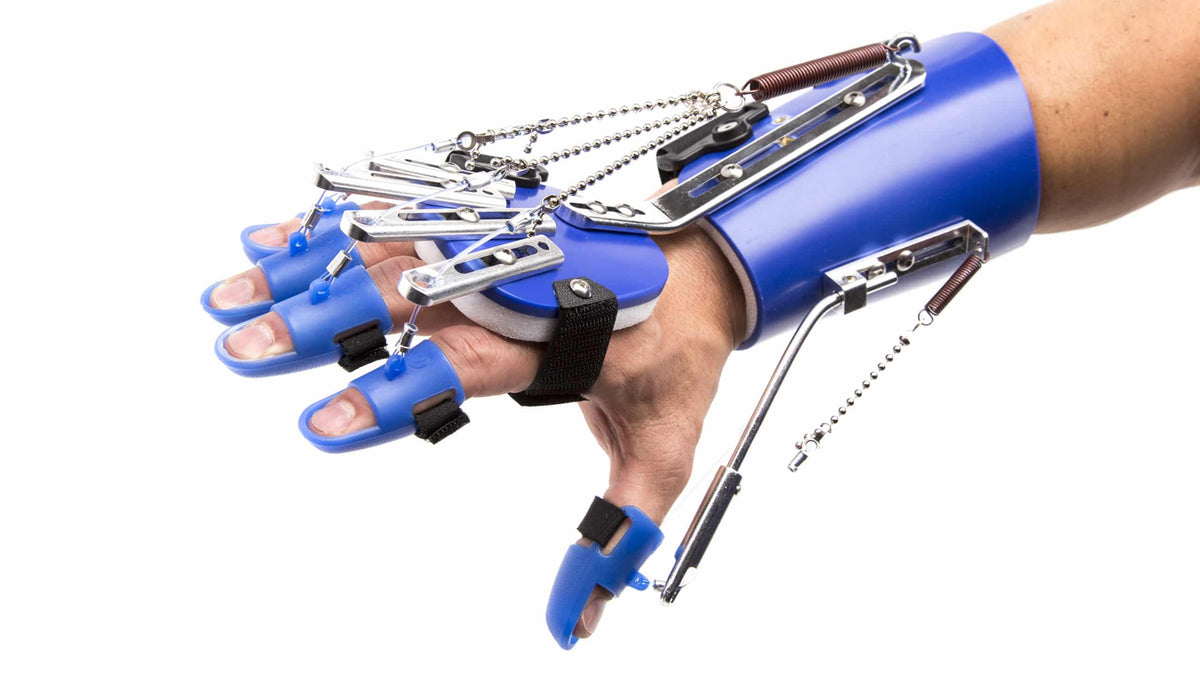
Dynamic (non-powered) hand orthoses. Low-profile glove with elastic tensioners that help the fingers and thumb open after grasping.
Price on request
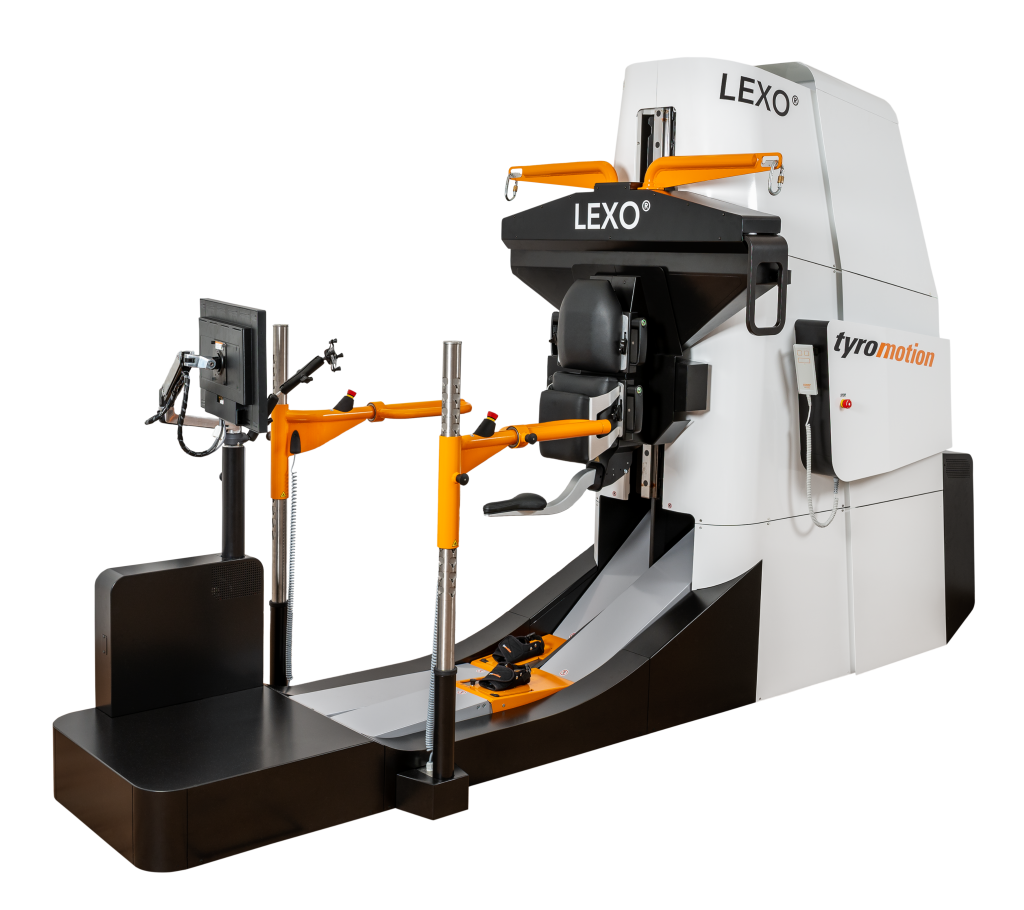
Treadmill-based robotic gait trainers. Treadmill-based robotic gait orthosis with body-weight support for intensive walking therapy.
Price on request
End-effector gait trainers. End-effector gait trainer that moves the feet on motorised plates with trunk support.
Price on request
End-effector gait trainers. Robotic gait rehabilitation system used in neurological rehabilitation clinics.
Price on request
Overground robotic body-weight support. Mobile robot that follows the patient and provides dynamic body-weight support and fall protection during overground walking.
Price on request
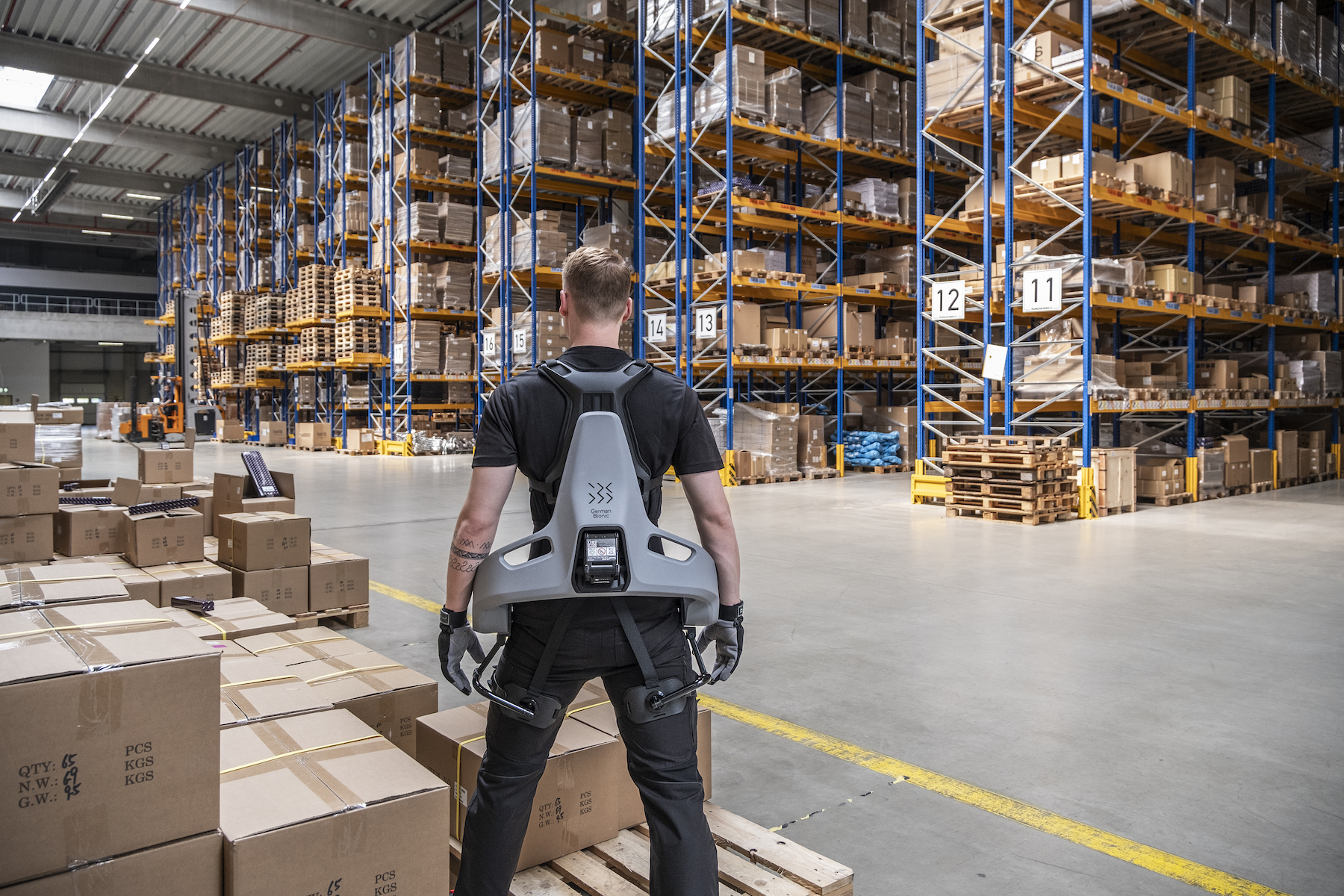
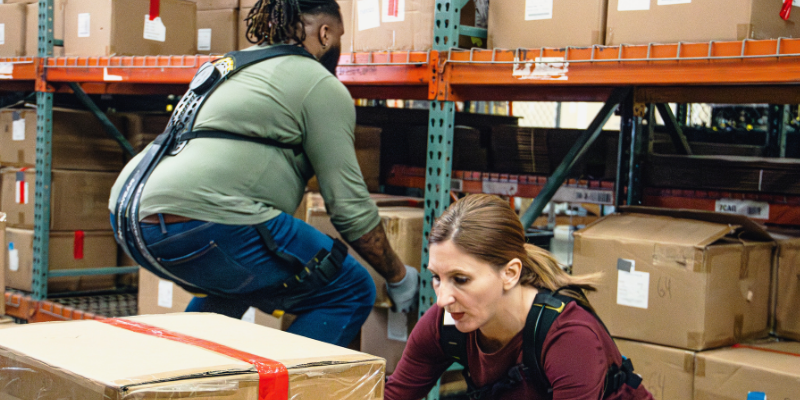
Powered back support. AI-driven powered exoskeleton that supports the lower back during lifting, carrying and bending at work.
Price on request
Passive shoulder support. Passive shoulder exoskeleton for overhead work, successor to Ottobock Paexo Shoulder.
Price on request
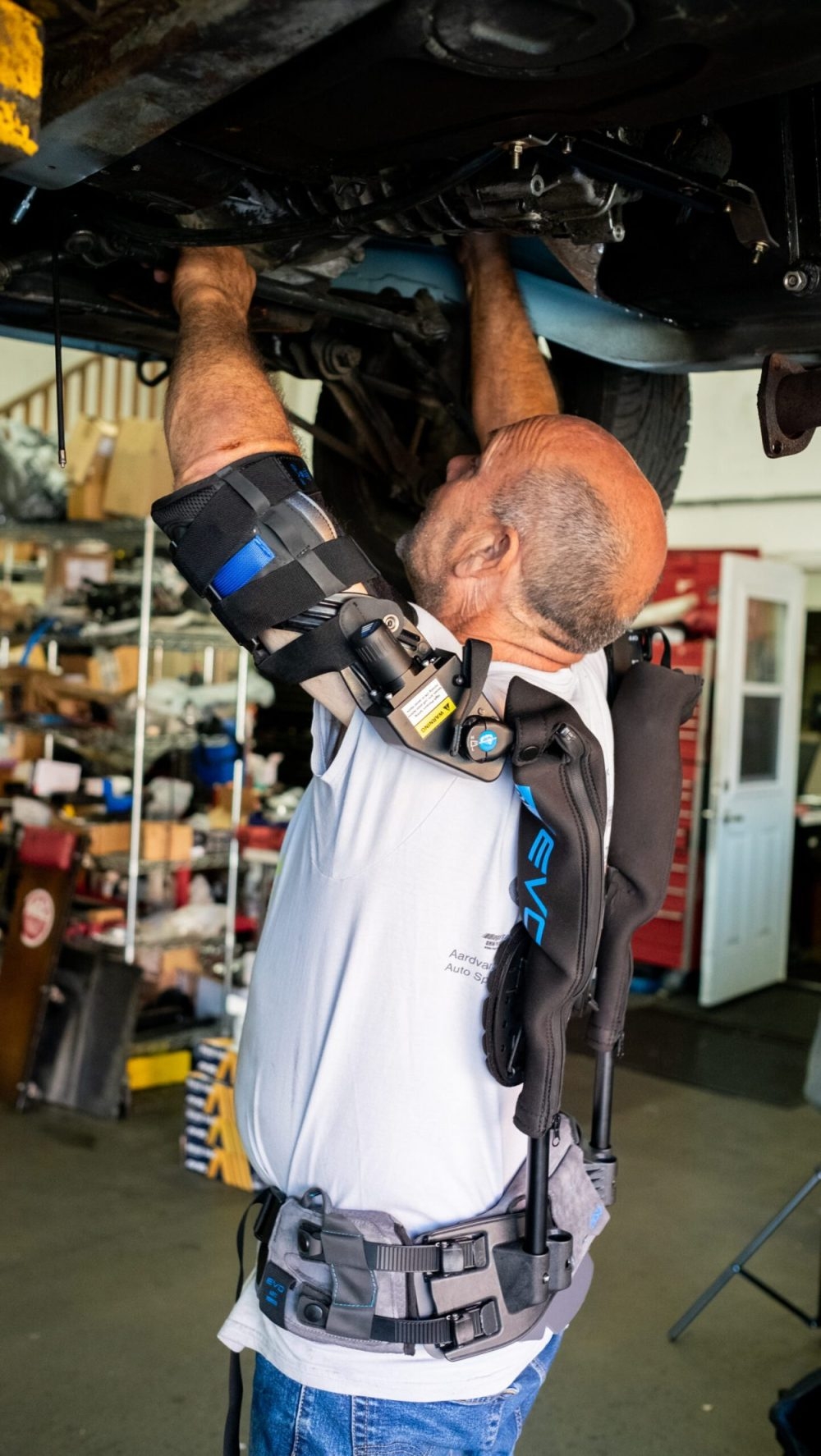
Passive shoulder support. Spring-powered upper-body exoskeleton that supports the arms for chest-level and overhead work.
News & Tech · 8 min read
A few powered exoskeletons are cleared for use at home, mostly for spinal cord injury, on prescription and with a trained companion. Most others stay in clinics.
It is a wearable powered frame with motors at the joints that helps a person stand and walk or that supports a weak limb. Medical models are regulated devices used under clinical guidance.
Not at present for most users. Exoskeletons are slower, take time to put on and have limited battery life, so people use them for exercise, standing and some walking alongside their wheelchair.