Photo could not be loaded
Lifeward (ReWalk) · Soft exosuits · EX-024
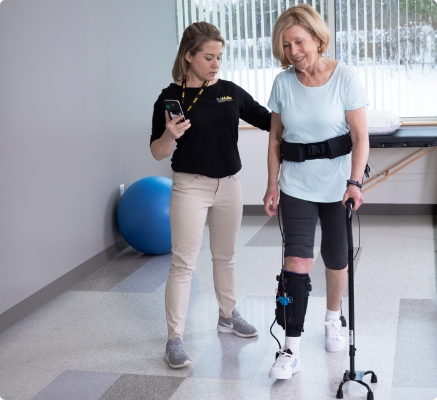
Lifeward ReStore Exo-Suit soft robotic gait training suit
The Lifeward (ReWalk) ReStore Exo-Suit is a soft, textile-based robotic suit for gait training after stroke. Motors on a waist belt pull cables that run to a calf cuff and a shoe insole, helping the ankle push off and lift the foot in time with the patient's steps. Sensors on the shoes feed the gait algorithms, and the therapist adjusts support from a hand controller. It is FDA- and CE-cleared for supervised clinic use.
- Product type
- Soft robotic exosuit for gait training
- Assisted joint
- Ankle: plantarflexion and dorsiflexion
- Drive
- Waist-belt motors with cables to calf cuff
- Sensors
- Shoe-mounted sensors; insole in the shoe
Lifeward ReStore Exo-Suit key features
- Waist-belt motors drive cables to a calf cuff and insole
- Assists ankle plantarflexion and dorsiflexion
- Shoe-mounted sensors analyse each step
- Therapist hand controller adjusts support and records gait assessments
- Untethered and portable, with soft textile components
- FDA- and CE-cleared; clinic use under therapist supervision
Who the Lifeward ReStore Exo-Suit suits
ReStore is intended for people with hemiplegia or hemiparesis after stroke who can walk at least 1.5 m with no more than minimal to moderate help. It is used in rehabilitation institutions, not at home, and a trained clinician selects and fits it.
This kind of device is prescribed and fitted by a clinician. An enquiry starts that conversation. It is not a purchase.
Lifeward ReStore Exo-Suit specifications
| Product type | Soft robotic exosuit for gait training |
|---|---|
| Assisted joint | Ankle: plantarflexion and dorsiflexion |
| Drive | Waist-belt motors with cables to calf cuff |
| Sensors | Shoe-mounted sensors; insole in the shoe |
| Control | Therapist hand controller |
| User requirement | Able to walk at least 1.5 m (5 ft) with minimal to moderate assistance |
| Use setting | Rehabilitation institutions, under trained therapist |
| Not intended for | Home use, sports, stair climbing |
| Regulatory | FDA- and CE-cleared |
| Maker country | Israel / USA |
| Price | Quoted on request |
| Brand | Lifeward (ReWalk) |
| Category | Single-joint and soft wearable robots, Soft exosuits |
| Catalog ID | EX-024 |
Compared with the source page on 5 October 2026. Details can change, so we confirm them in your quote. Open the source page.
Lifeward ReStore Exo-Suit: common questions
Can the ReStore Exo-Suit be used at home?
No. The maker intends it for rehabilitation institutions under the supervision of a trained therapist. It is also not intended for sports or stair climbing.
Which joint does ReStore assist?
The ankle on the affected side. Cables driven from the waist belt support plantarflexion for push-off and dorsiflexion for foot clearance.
Who is a candidate for ReStore training?
People with hemiplegia or hemiparesis due to stroke who can walk at least 1.5 m with no more than minimal to moderate assistance, as assessed by their therapist.
How to get a quote for the Lifeward ReStore Exo-Suit
Add it to your enquiry list
Press Add to enquiry. You can add other products and parts to the same list.
Tell us your country and needs
Send the list with your country, sizes and any options you want. No payment details are asked.
Get a personal reply
You receive availability, a price and delivery options by email, and decide after that.
Similar to the Lifeward ReStore Exo-Suit
All Single-joint and soft wearable robotsPrice on request
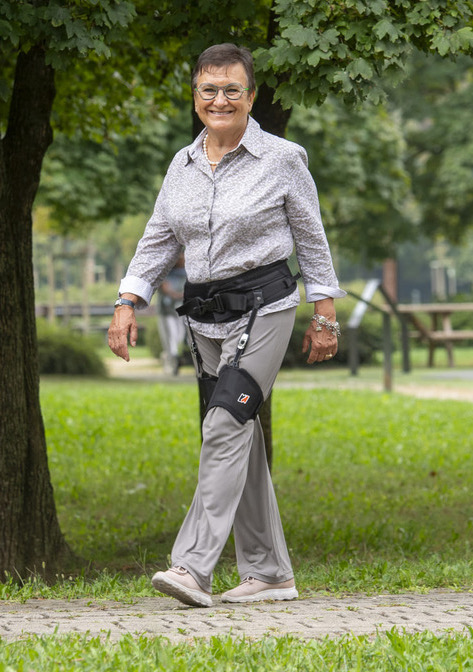
Angel Suit H10
Powered hip devices. Lightweight hip-assist wearable robot for gait training and return to daily activity.
USD 999-1,999 (manufacturer site)
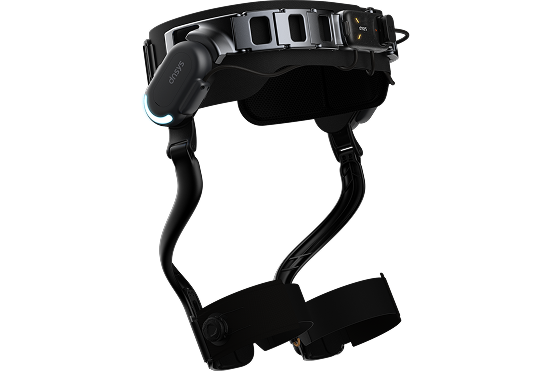
Hypershell X series (X Pro S / X Max S / X Ultra S)
Powered hip devices. Consumer hip exoskeleton with dual motors and adaptive assistance for hiking and everyday walking.
Goes with this product
Guides for this kind of product
News & Tech · 8 min read
Personal exoskeletons: what you can take home today
A few powered exoskeletons are cleared for use at home, mostly for spinal cord injury, on prescription and with a trained companion. Most others stay in clinics.