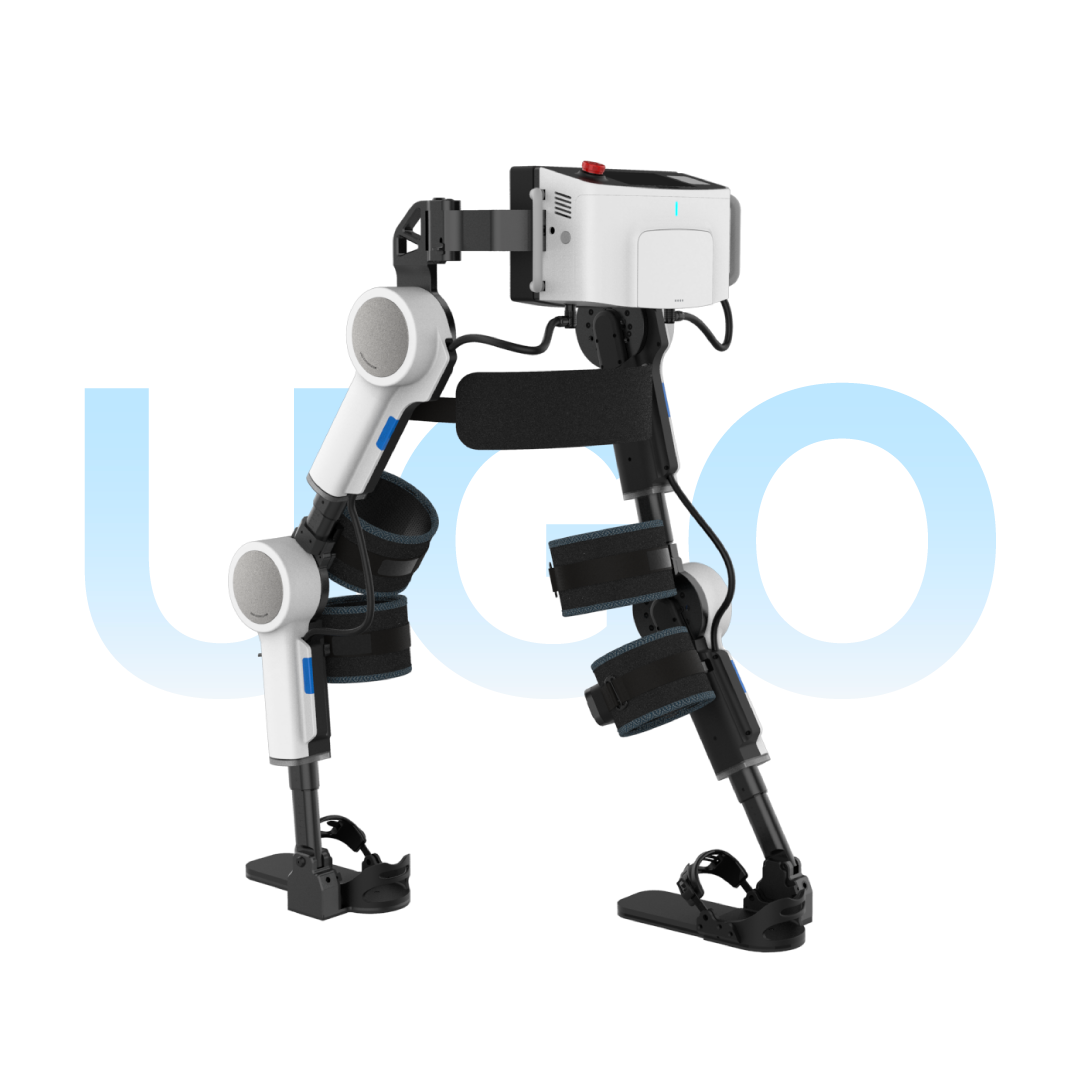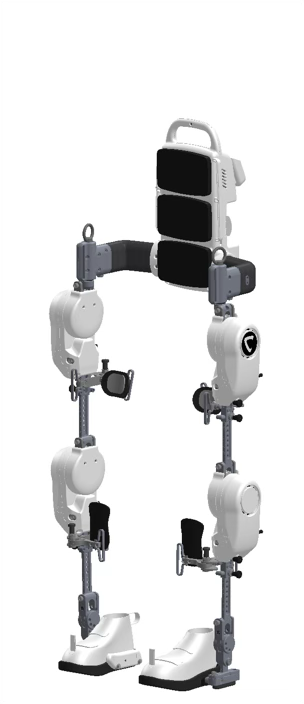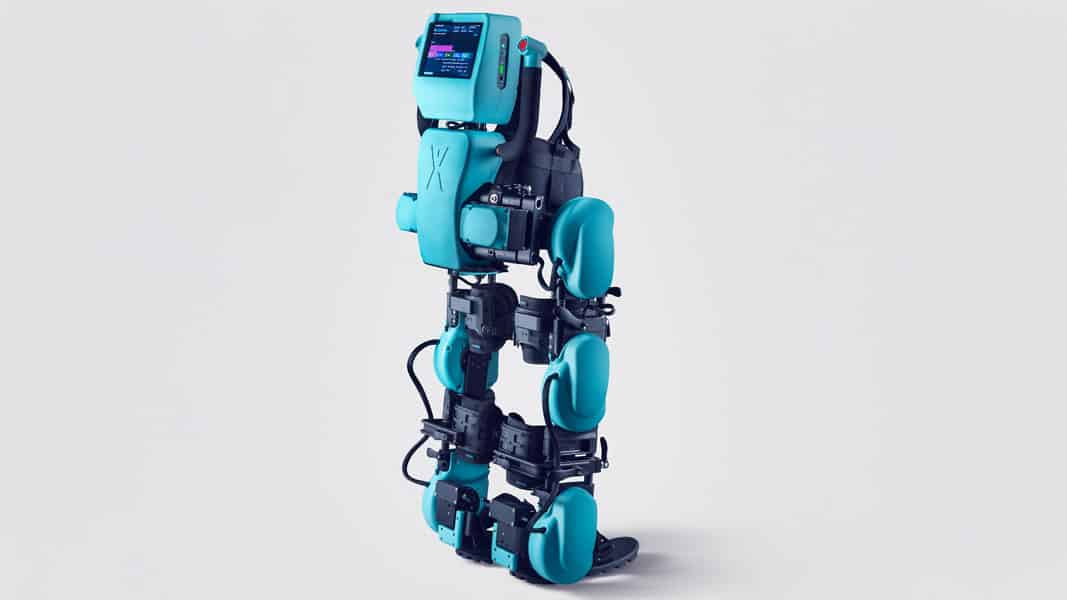
Price on request
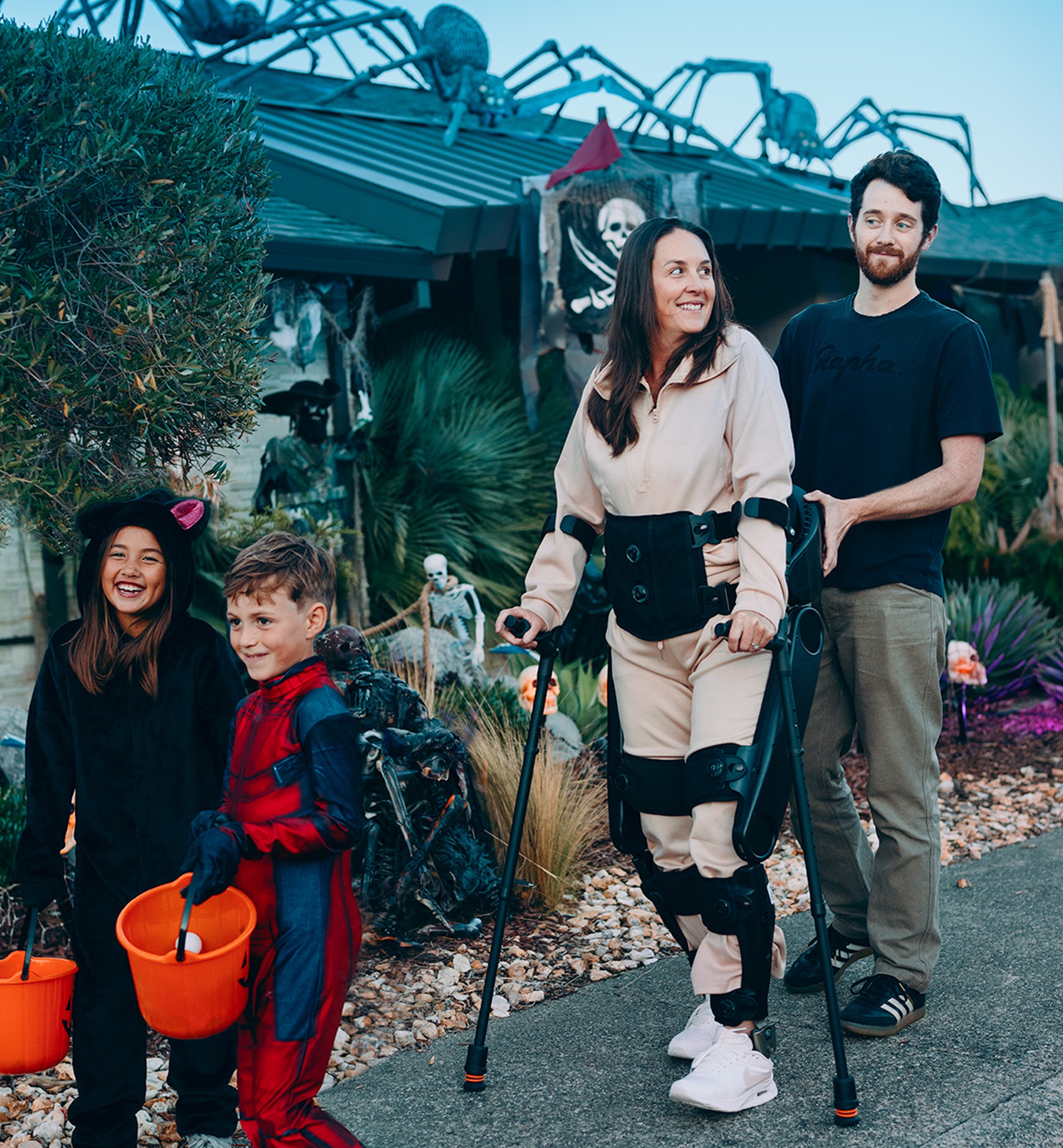
ReWalk 7 Personal Exoskeleton
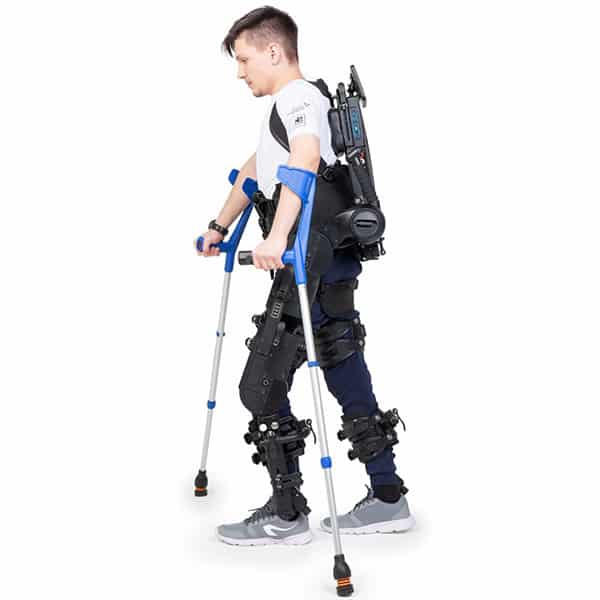
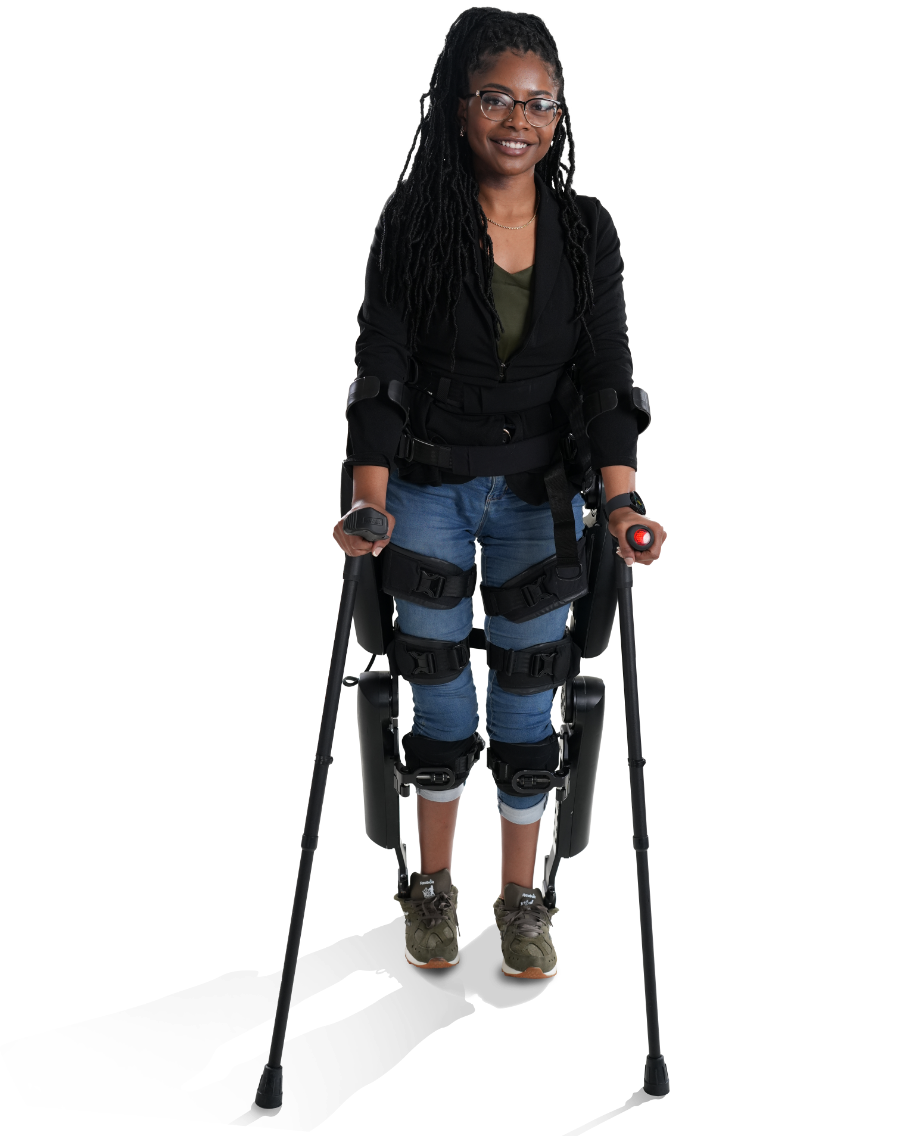
Personal-use exoskeletons (spinal cord injury). Wearable robotic exoskeleton with motorised hips and knees that lets people with spinal cord injury stand, walk, turn and use stairs with crutches.
Last updated: 5 October 2026 · Total: 23 products
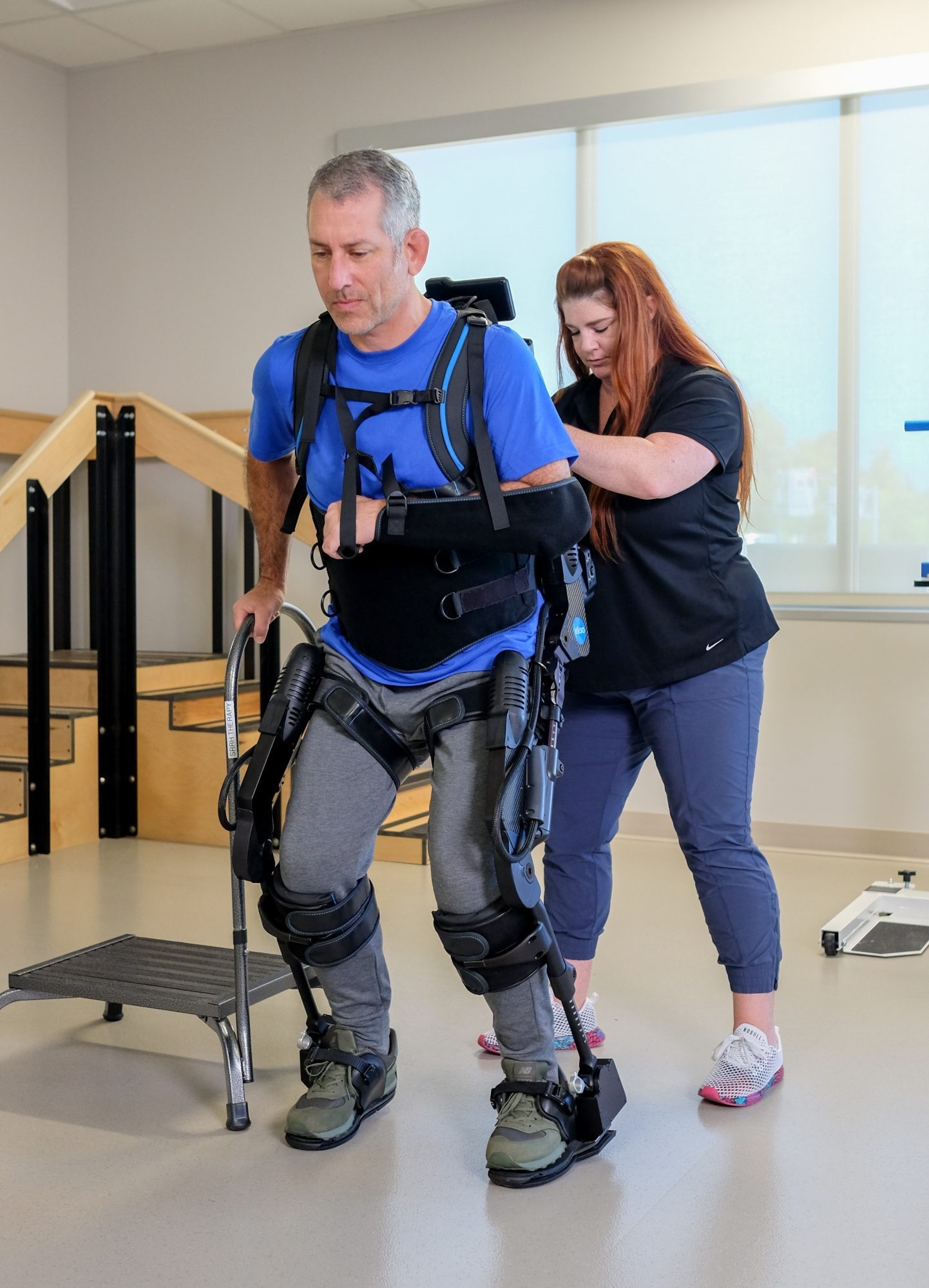
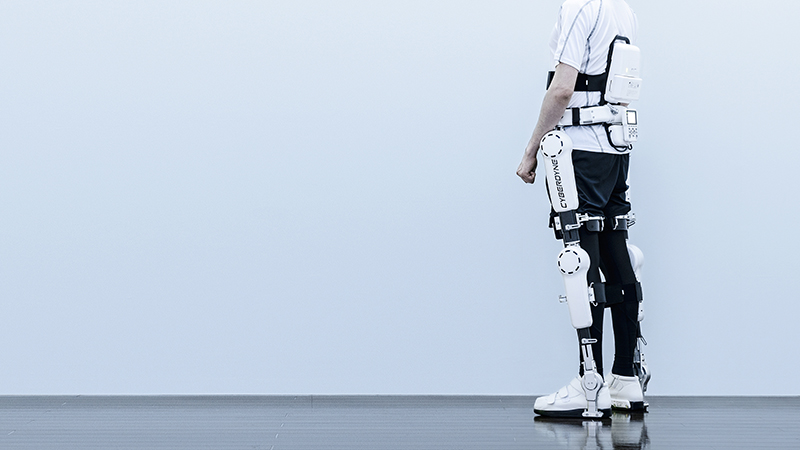
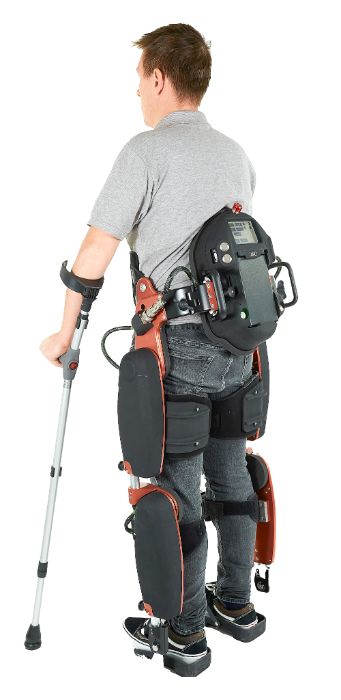
These are full lower-body robots that carry a person through standing up, walking and sitting down. Personal-use models, including the ReWalk 7 Personal Exoskeleton and Ekso Indego Personal, are intended for people with spinal cord injury to use at home and in the community, normally with crutches and a trained companion. Self-balancing designs such as the Wandercraft Eve keep themselves upright, which leaves the hands free. Clinical gait exoskeletons stay in rehabilitation centres and are adjusted for many patients, and pediatric versions are sized for children. A clinician assesses suitability and leads the training.
Price on request
Personal-use exoskeletons (spinal cord injury). Wearable robotic exoskeleton with motorised hips and knees that lets people with spinal cord injury stand, walk, turn and use stairs with crutches.
Price on request
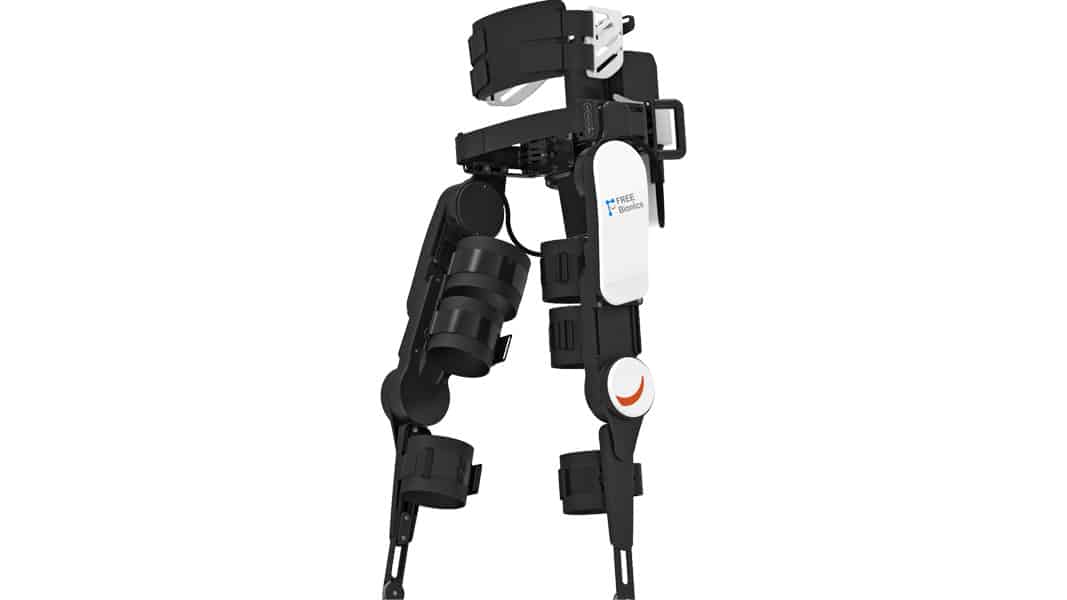
Personal-use exoskeletons (spinal cord injury). Modular powered hip-knee exoskeleton that the user can put on independently for walking at home and in the community.
Price on request
Personal-use exoskeletons (spinal cord injury). Powered lower-limb exoskeleton used with crutches to help people with leg weakness stand up, walk and sit down.
Price on request
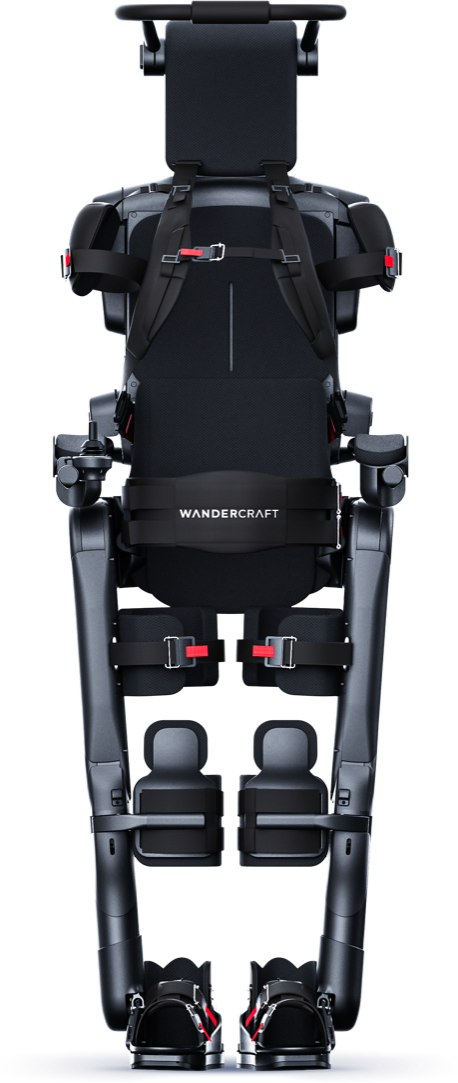
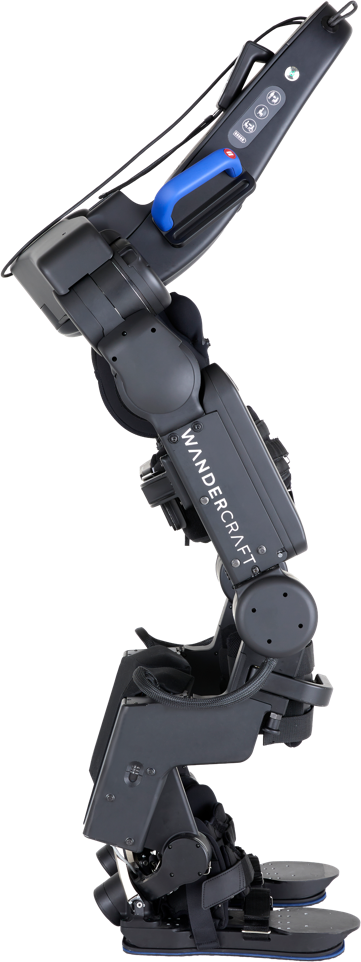
Self-balancing exoskeletons. Self-balancing personal exoskeleton that provides hands-free upright mobility at home without crutches.
Price on request
Self-balancing exoskeletons. Hands-free self-balancing rehabilitation exoskeleton for gait and balance therapy in clinics.
Price on request
Self-balancing exoskeletons. Hands-free, self-supporting robotic walking device used in physiotherapy and spinal rehabilitation settings.
Price on request
Clinical / rehabilitation gait exoskeletons. Rehabilitation exoskeleton that helps therapists get patients standing and walking early in neurological recovery.
Price on request
Clinical / rehabilitation gait exoskeletons. Wearable robot that reads the wearer's bio-electrical signals to assist hip and knee movement during gait therapy.
Price on request
Clinical / rehabilitation gait exoskeletons. Robotic exoskeleton for gait training in neurorehabilitation hospitals and clinics.
Price on request
Clinical / rehabilitation gait exoskeletons. Powered hip-knee gait-training exoskeleton with cloud data platform and optional FES, used in rehabilitation clinics.
Price on request
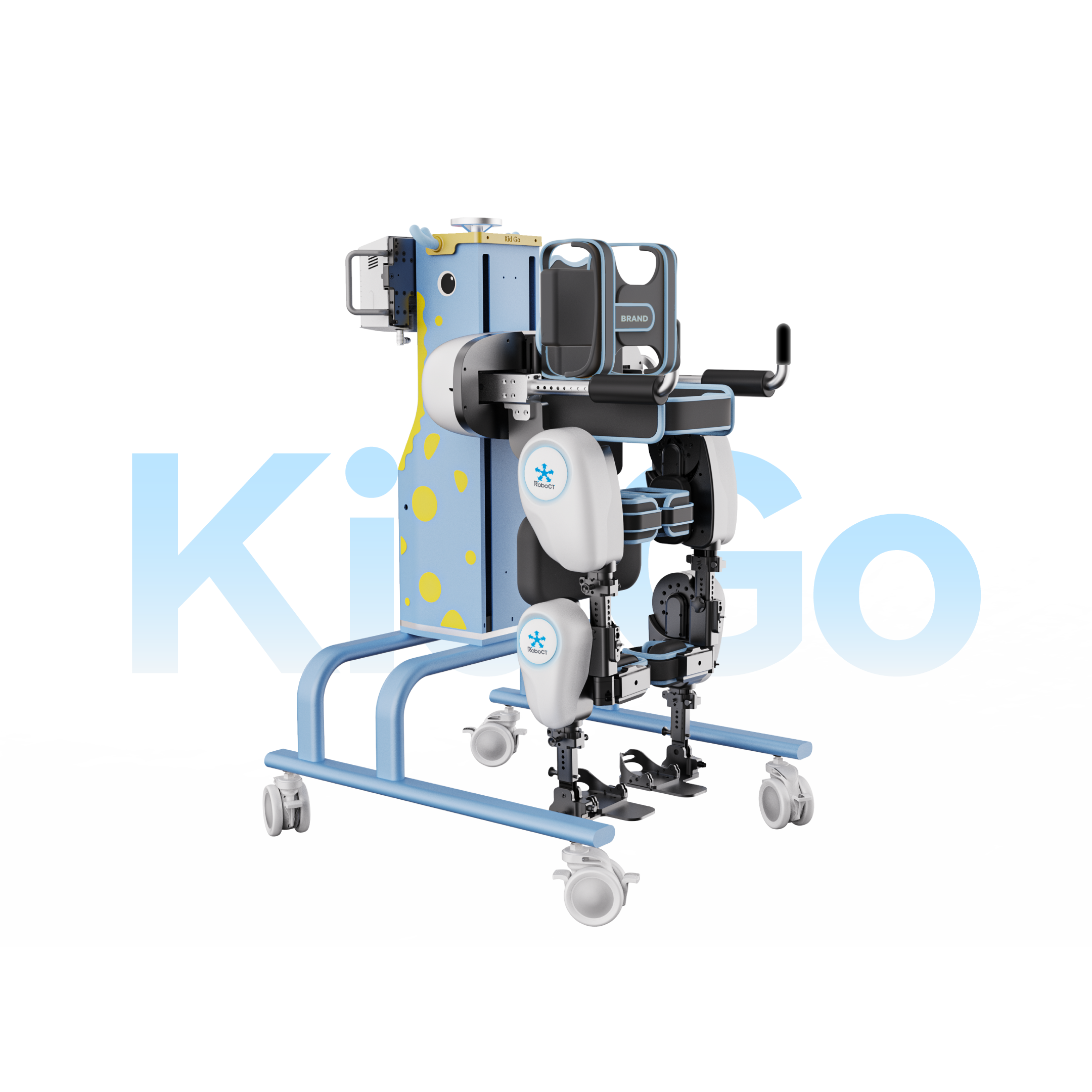
Clinical / rehabilitation gait exoskeletons. Hip-knee powered exoskeleton combined with a wheeled balance-support frame for institutional gait training.
Price on request
Clinical / rehabilitation gait exoskeletons. Wearable walking-training robot for people with incomplete lower-limb paralysis.
Price on request
Clinical / rehabilitation gait exoskeletons. Active lower-limb exoskeleton for gait rehabilitation that breaks down into three parts for transport.
Price on request
Clinical / rehabilitation gait exoskeletons. Active overground exoskeleton system that guides patients through a natural walking pattern during rehabilitation.
Price on request
Clinical / rehabilitation gait exoskeletons. Lower-limb exoskeleton for walking training in hospital rehabilitation departments, with a separate household version.
Price on request
Pediatric exoskeletons. Robotic gait device for children that powers each step and is built for use at home as well as in clinics.
Price on request
Pediatric exoskeletons. Pediatric trunk-to-foot gait exoskeleton with a safety frame for walking therapy.
Price on request
Pediatric exoskeletons. Wearable pediatric exoskeleton for assisted walking in everyday places such as home, school and parks.
Price on request
Pediatric exoskeletons. Small-size version of the HAL hip-knee therapy robot for children.
Price on request
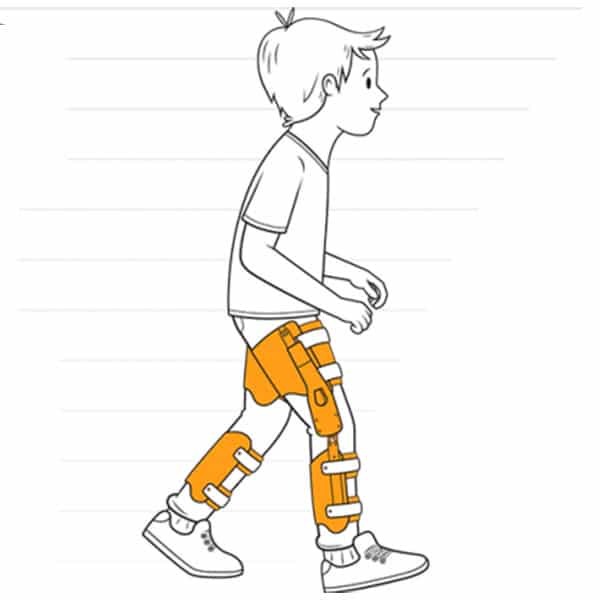
Pediatric exoskeletons. Lightweight powered knee orthosis that assists knee extension to address crouch gait in children.
News & Tech · 8 min read
A few powered exoskeletons are cleared for use at home, mostly for spinal cord injury, on prescription and with a trained companion. Most others stay in clinics.
Eligibility is set by each manufacturer and confirmed by a clinician. Typical criteria include injury level, height and weight limits, sufficient joint range, healthy bone density and enough arm function for crutches where needed.
Some models have a stair function, and its approval varies by country. Many others are limited to level or gently sloped ground. Check the stated indications of the specific device.