Upper-limb and hand devices
Last updated: 5 October 2026 · Total: 15 products
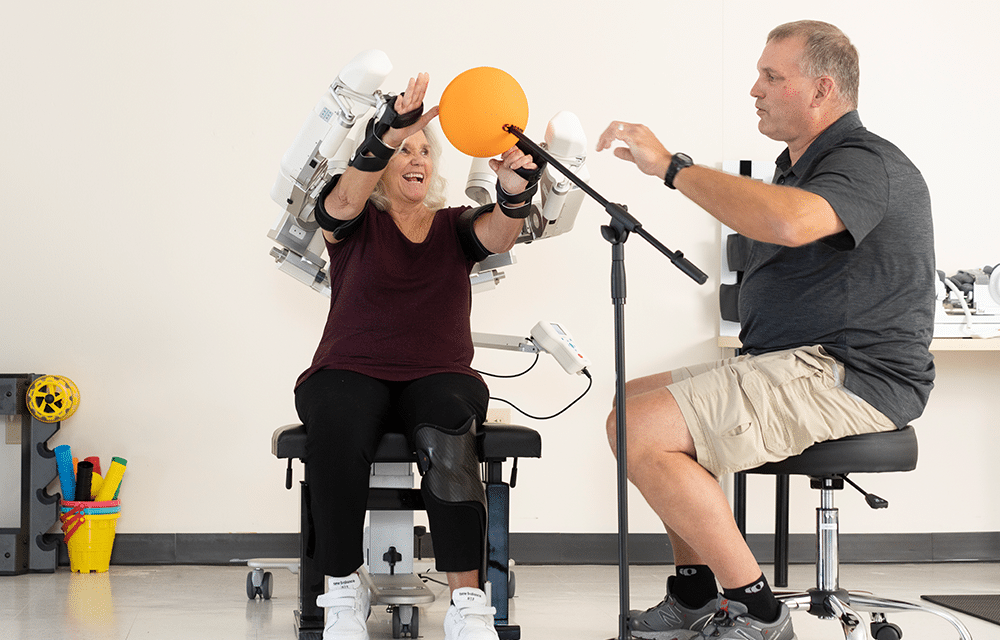
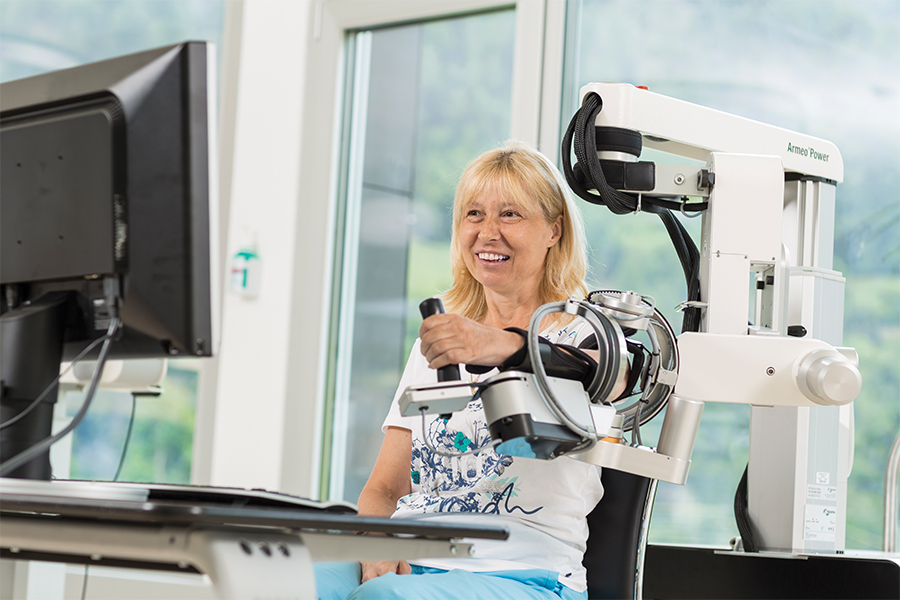
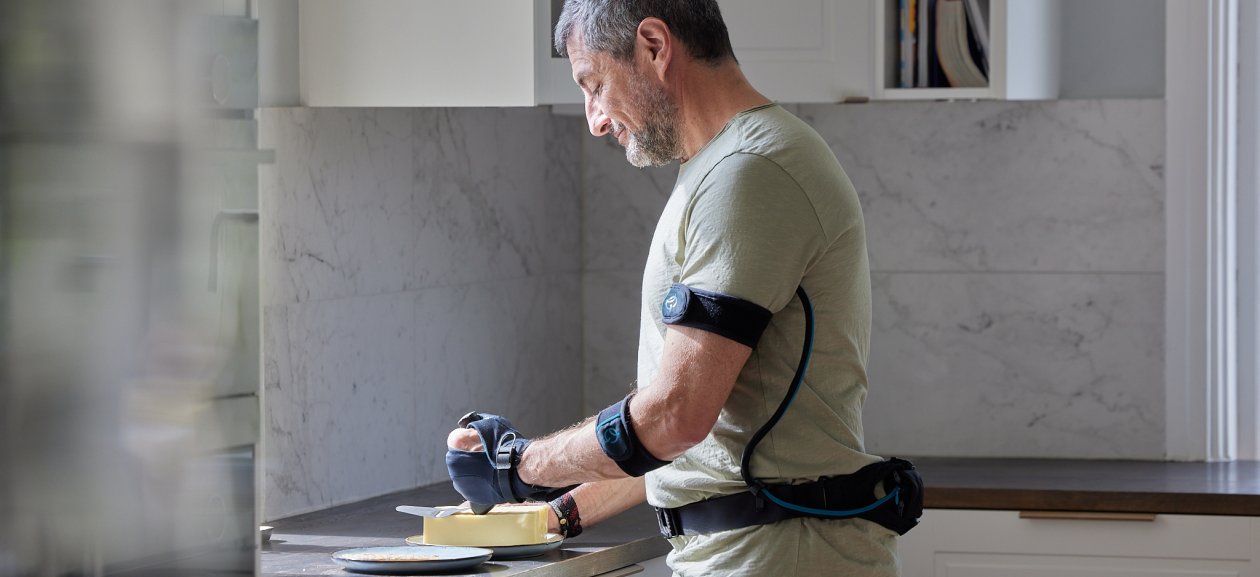
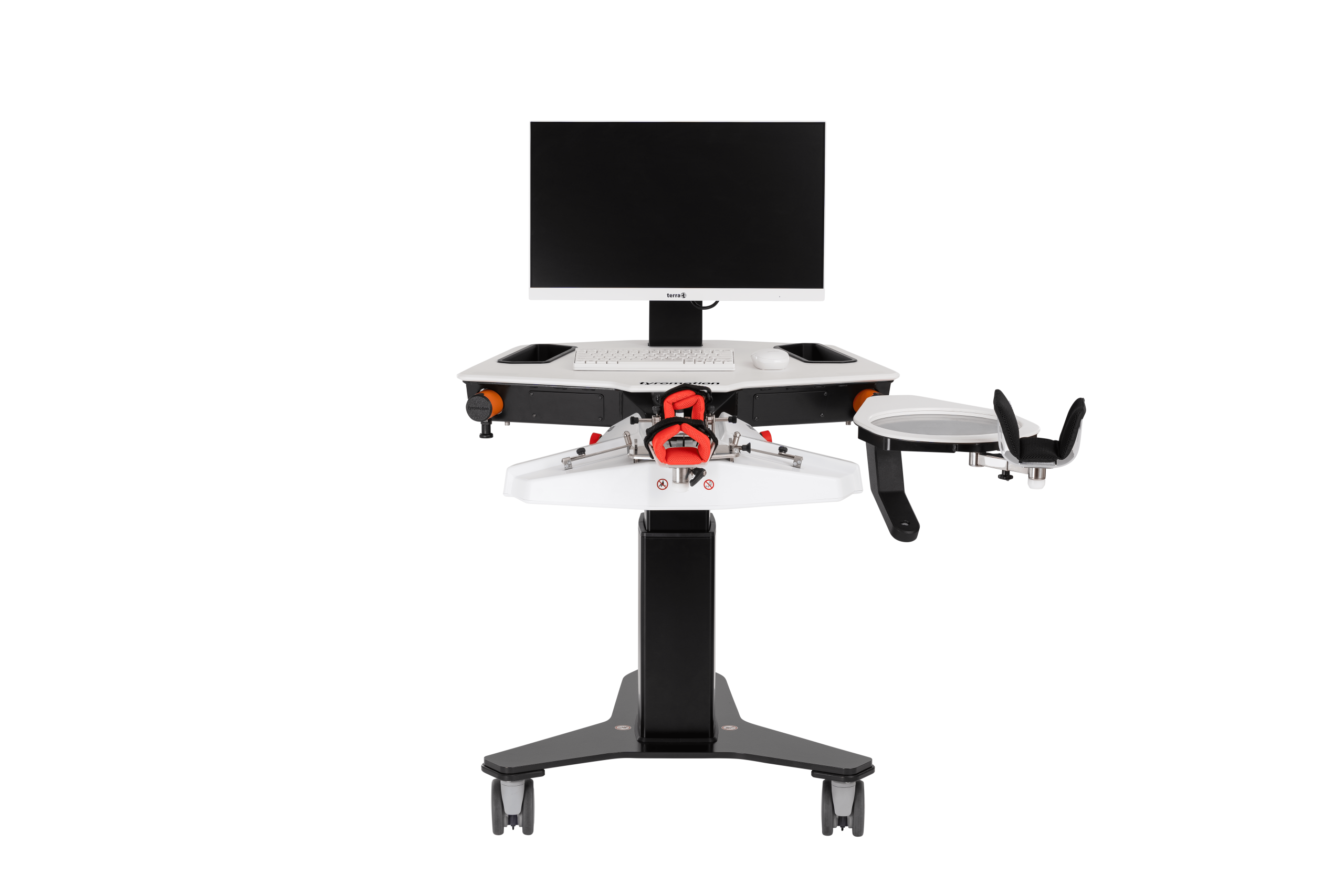
Weakness of the arm or hand after stroke, spinal cord injury or nerve damage is the target of this group. Powered arm orthoses such as the Myomo MyoPro 2X are worn on the arm and use muscle signals to help bend the elbow and close the hand. Clinic-based arm exoskeletons, including the Hocoma ArmeoPower and the bilateral Harmony SHR, guide repeated therapy movements, while the ArmeoSpring supports arm weight with springs. Robotic gloves move the fingers with cables or air. Dynamic non-powered hand orthoses use springs or elastic to open a tight hand. An occupational therapist assesses and fits them.
15 products
Filter and sort these productsPrice on request
Harmony SHR
Harmonic Bionics (Bioness Medical)
Powered arm orthoses and exoskeletons. Bilateral robotic exoskeleton for shoulder and arm therapy that follows scapulohumeral rhythm.
Price on request
ArmeoPower
Powered arm orthoses and exoskeletons. Robotic arm exoskeleton for early-stage therapy of severely impaired arms with game-based exercises.
Price on request
ArmeoSpring
Powered arm orthoses and exoskeletons. Spring-based arm exoskeleton that supports arm weight for self-initiated movement therapy.
Price on request
ArmMotus EMU
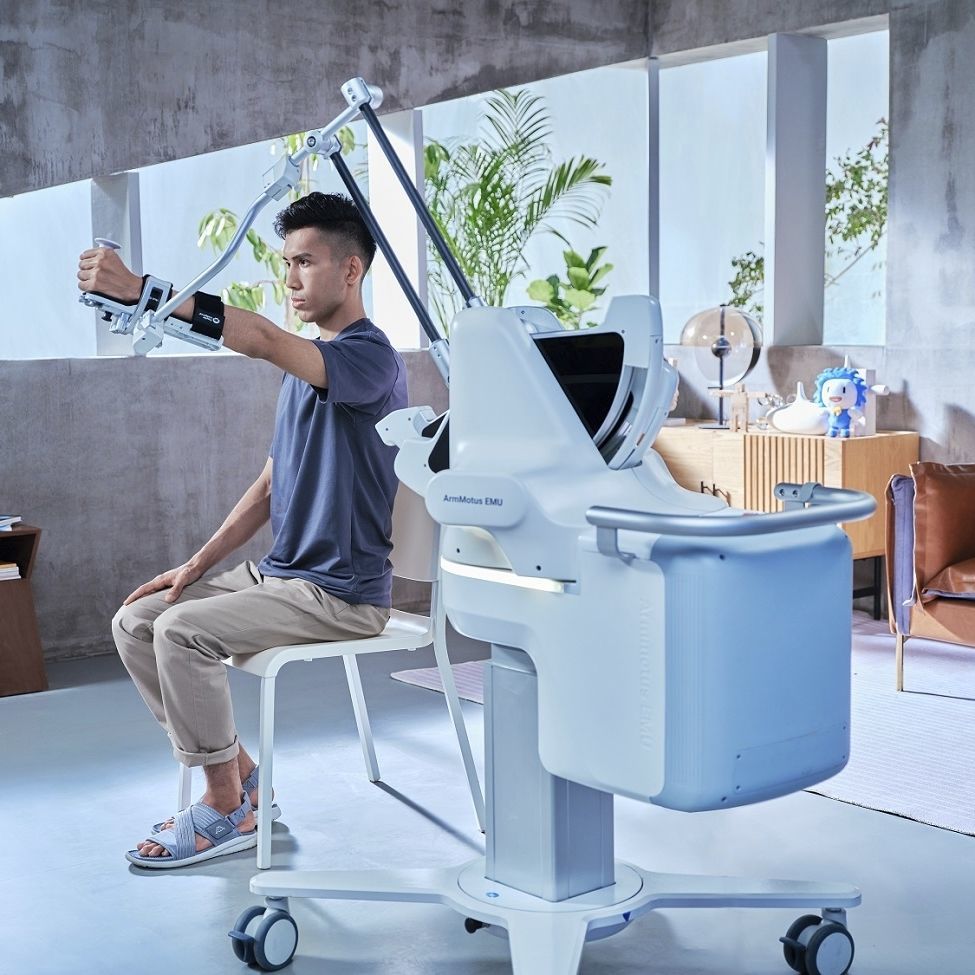
Powered arm orthoses and exoskeletons. Cable-driven 3D upper-limb rehabilitation robot with force feedback.
Price on request
Carbonhand
Robotic gloves and hand exoskeletons. Soft robotic glove that adds grip strength in proportion to the force the wearer applies.
Price on request
Emovo
Robotic gloves and hand exoskeletons. Portable hand orthosis with artificial tendons that actively opens and closes the fingers.
Price on request
Amadeo
Robotic gloves and hand exoskeletons. Robot-assisted finger and hand therapy device for intensive distal upper-limb training.
Price on request
R-Touch Pro / Gloreha Sinfonia
Robotic gloves and hand exoskeletons. Motorised glove system for hand rehabilitation with mirror bimanual training and games.
Price on request
Hand of Hope
Robotic gloves and hand exoskeletons. EMG-driven robotic hand brace that moves the fingers when the patient tries to move them.
Price on request
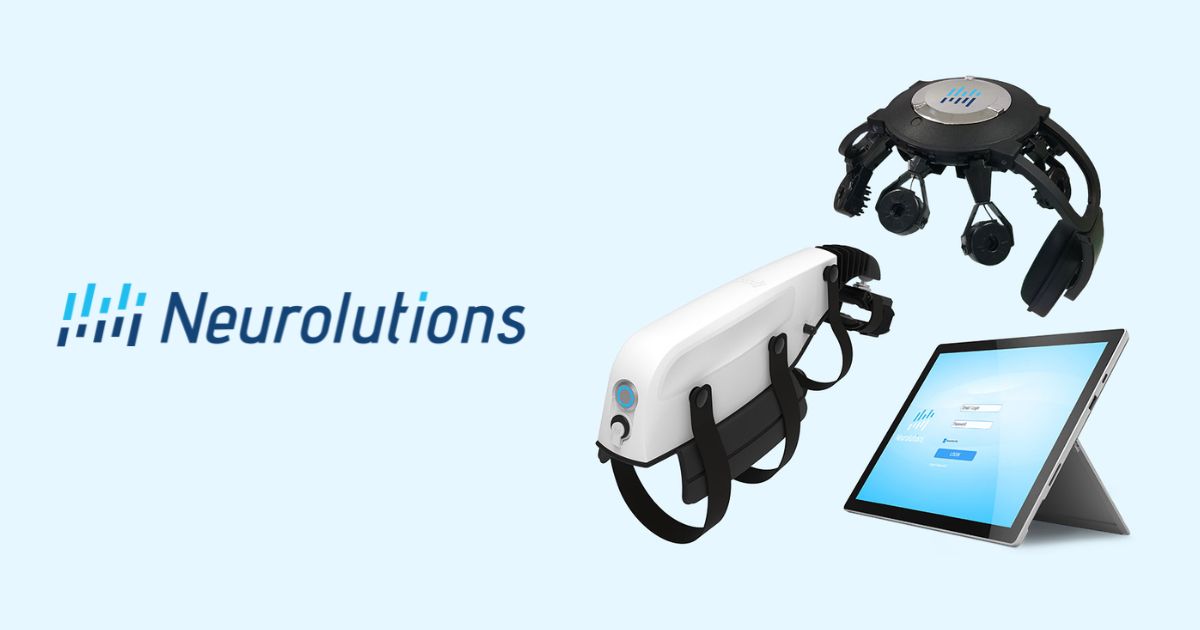
IpsiHand
Robotic gloves and hand exoskeletons. Brain-computer-interface system in which an EEG headset triggers a powered handpiece to open and close the hand.
Price on request
Syrebo Hand Rehabilitation Robot series
Syrebo (Siyi Intelligent Technology)
Robotic gloves and hand exoskeletons. Soft robotic glove systems for hand rehabilitation in clinic and home versions.
Price on request
Smart Glove
Robotic gloves and hand exoskeletons. Sensor glove that tracks forearm, wrist and finger movement for game-based rehabilitation exercises.
USD 299 (listed sale price; regular USD 349)
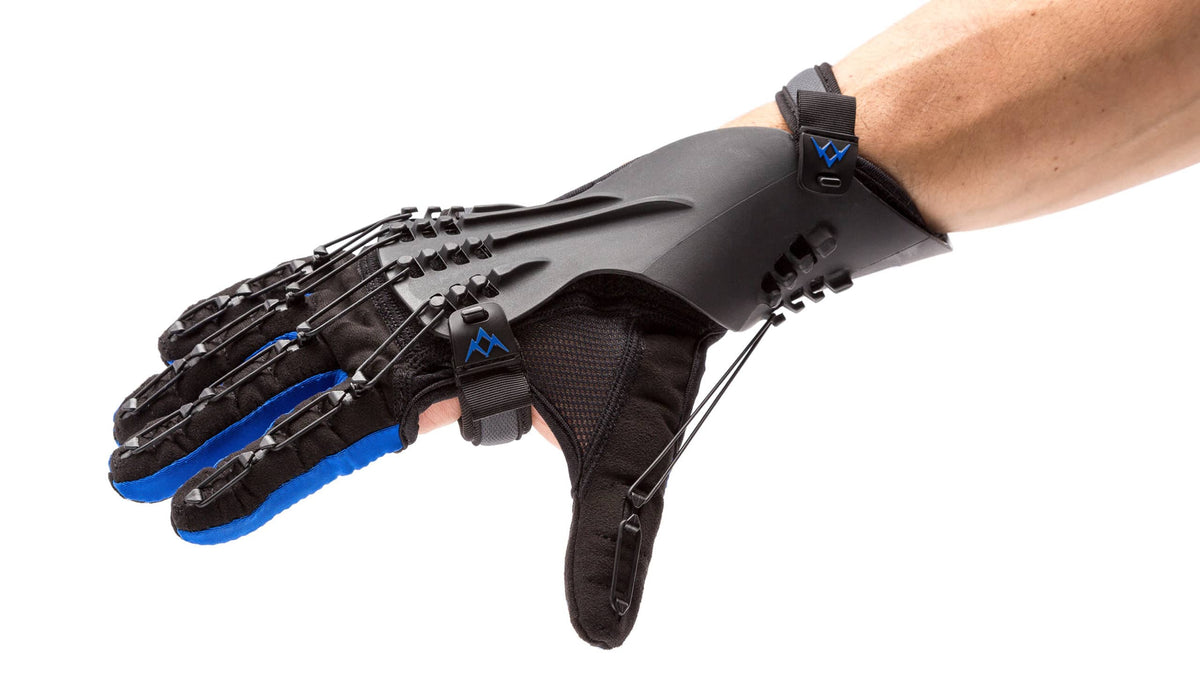
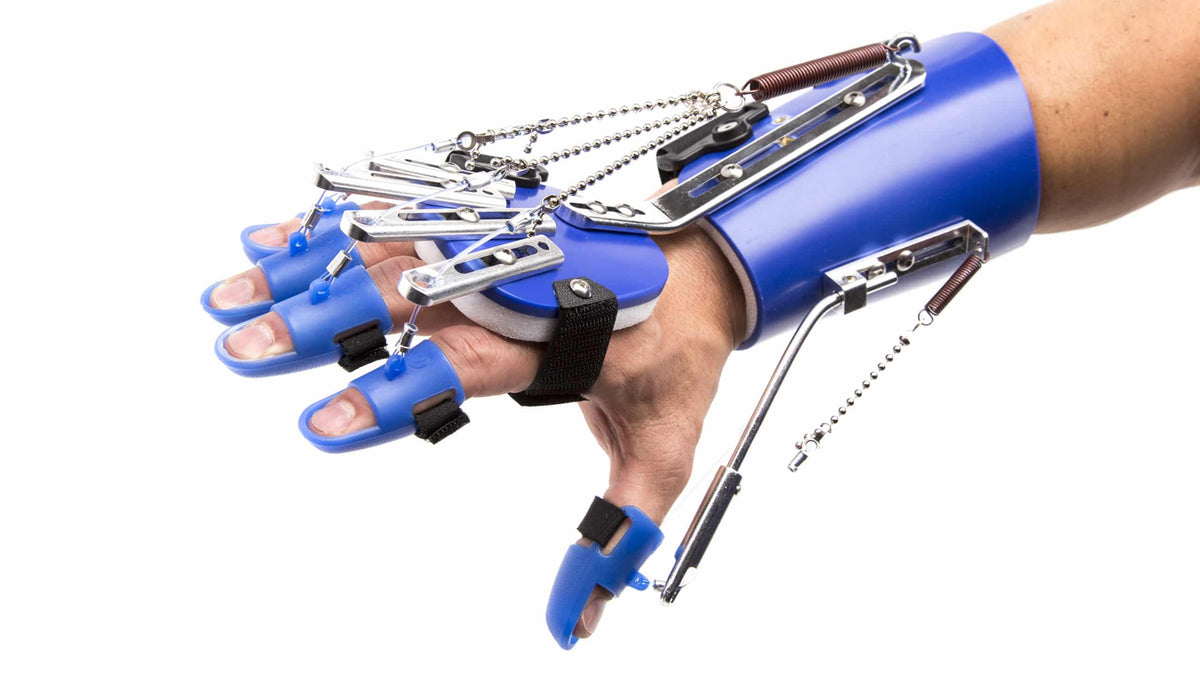
SaeboGlove
Dynamic (non-powered) hand orthoses. Low-profile glove with elastic tensioners that help the fingers and thumb open after grasping.



How to choose
- Separate wearable devices for daily tasks from large therapy systems meant for a rehabilitation department.
- Check what movement or muscle signal the device needs from you in order to trigger assistance.
- Try putting the device on with one hand, or confirm that a helper will be available.
- Ask how the glove or orthosis copes with spasticity and whether sizes cover your hand.
Common questions
What is a robotic glove for stroke rehabilitation?
It is a soft glove with actuators that bend and straighten the fingers. It is used for repetitive hand exercise and, in some designs, to assist grasping during daily tasks. A therapist advises on suitability.
What is the difference between a powered and a dynamic hand orthosis?
A powered orthosis uses motors and a battery to move the joint. A dynamic orthosis has no power source and relies on springs, elastic bands or the wearer's own wrist movement to produce or assist motion.