Price on request
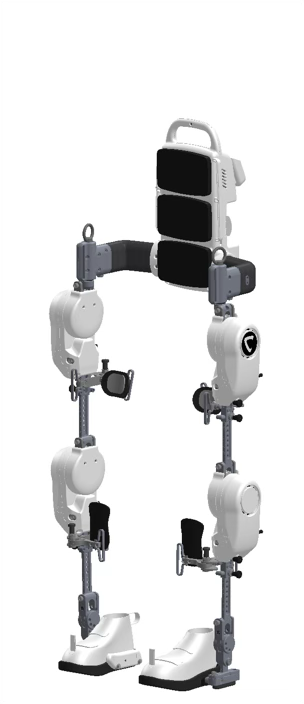
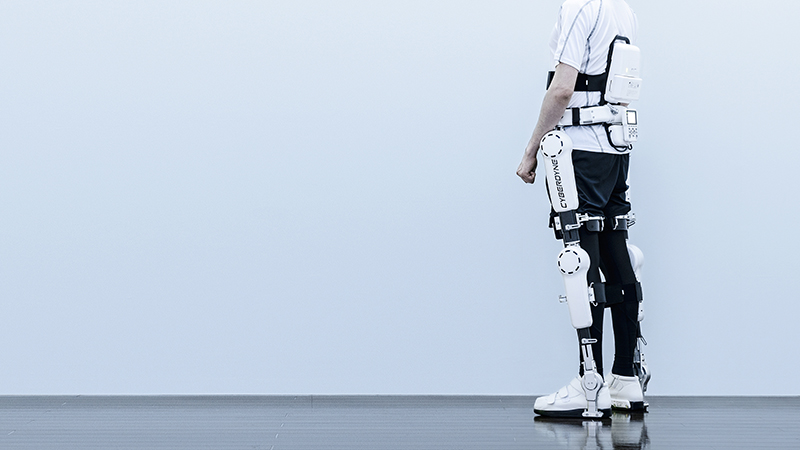
Medical HAL Lower Limb Type (HAL-ML05 / HAL-ML08)
Clinical / rehabilitation gait exoskeletons. Wearable robot that reads the wearer's bio-electrical signals to assist hip and knee movement during gait therapy.
Last updated: 5 October 2026 · Total: 3 products
CYBERDYNE has 3 products in the Mobility Atlas catalog, in Exoskeletons & Robotic Rehab. Maker country as recorded in the catalog: Japan. Prices are quoted on request for your configuration and country.
Price on request
Clinical / rehabilitation gait exoskeletons. Wearable robot that reads the wearer's bio-electrical signals to assist hip and knee movement during gait therapy.
Price on request
Pediatric exoskeletons. Small-size version of the HAL hip-knee therapy robot for children.
Price on request
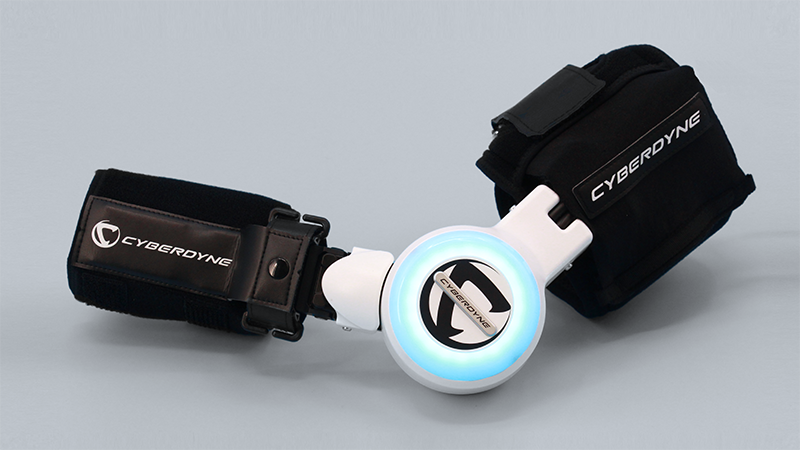
Powered knee devices. Compact wearable unit that assists movement of a single joint using bio-electrical signals.
CYBERDYNE Inc. is a Japanese robotics company founded in June 2004 by Yoshiyuki Sankai, a professor at the University of Tsukuba, who is its president and chief executive. Wikipedia gives its headquarters as Tsukuba, and the company's own page states that it was listed on the Tokyo Stock Exchange in 2014. It is known for HAL, the Hybrid Assistive Limb, a wearable robot that the company describes as the world's first wearable cyborg.
The catalog lists three CYBERDYNE products under walking exoskeletons and single-joint wearable robots: the Medical HAL Lower Limb Type in the HAL-ML05 and HAL-ML08 versions, the smaller HAL-ML07 for children and the Medical HAL Single Joint Type. These devices are used in clinical settings under professional supervision and are not sold as consumer products. Approval status and the way the devices are supplied to hospitals differ from country to country, so a request for a quote should come from a clinic and name the country of use.
Written from the maker's own pages and public references, read on 5 October 2026. Mobility Atlas is an independent catalog and is not the maker's official dealer.
News & Tech · 8 min read
A few powered exoskeletons are cleared for use at home, mostly for spinal cord injury, on prescription and with a trained companion. Most others stay in clinics.