Price on request
ReWalk 7 Personal Exoskeleton
Personal-use exoskeletons (spinal cord injury). Wearable robotic exoskeleton with motorised hips and knees that lets people with spinal cord injury stand, walk, turn and use stairs with crutches.
Photo could not be loaded
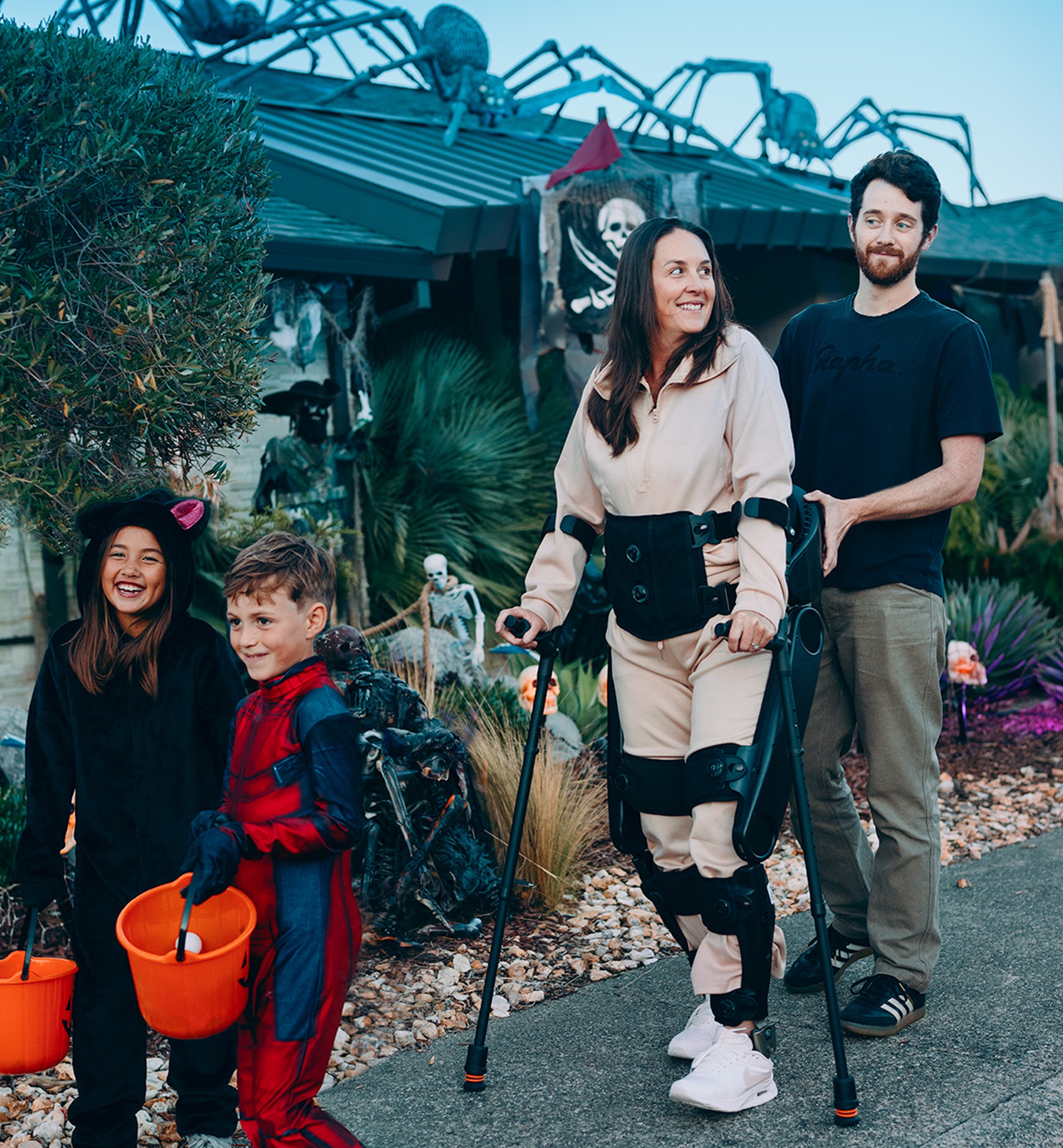
Ekso Bionics · Personal-use exoskeletons (spinal cord injury) · EX-002
The Ekso Bionics Ekso Indego Personal is a powered hip-knee exoskeleton that comes apart into modules, so the user can put it on and take it off alone, even while seated in most standard wheelchairs. The whole device weighs 31 lb (14 kg). You lean forward to stand and walk, stay upright to stop and lean back to sit. A phone app changes speed and step height.
For people with spinal cord injury between T3 and L5 who want to walk at home and in the community on floors, carpet, grass and asphalt. It will not handle stairs. A clinician screens candidates and provides the training.
This kind of device is prescribed and fitted by a clinician. An enquiry starts that conversation. It is not a purchase.
The same units on every product, converted from the specifications below. Where a source gives two limits, the lower one is shown.
| Type | Personal walking exoskeleton |
|---|---|
| Powered joints | Hip and knee |
| Device weight | 31 lb (14 kg) |
| Design | Modular, quick connect |
| Control | Posture (lean) based; iOS and Android app |
| Feedback | Vibration and LED indicators |
| Indication | SCI T3-L5, FDA cleared |
| Surfaces | Carpet, floors, grass, asphalt, uneven or sloped ground |
| Not for | Sports, stair climbing |
| Price | Quoted on request |
| Maker country | USA |
| Brand | Ekso Bionics |
| Category | Walking exoskeletons, Personal-use exoskeletons (spinal cord injury) |
| Catalog ID | EX-002 |
Compared with the source page on 5 October 2026. Details can change, so we confirm them in your quote. Open the source page.
It weighs 31 lb, which is 14 kg.
It is designed for that. The modular quick-connect parts and a one-handed strapping system allow it to be put on while seated in most standard wheelchairs.
No. Ekso states it is not intended for sports or stair climbing.
Press Add to enquiry. You can add other products and parts to the same list.
Send the list with your country, sizes and any options you want. No payment details are asked.
You receive availability, a price and delivery options by email, and decide after that.
Price on request
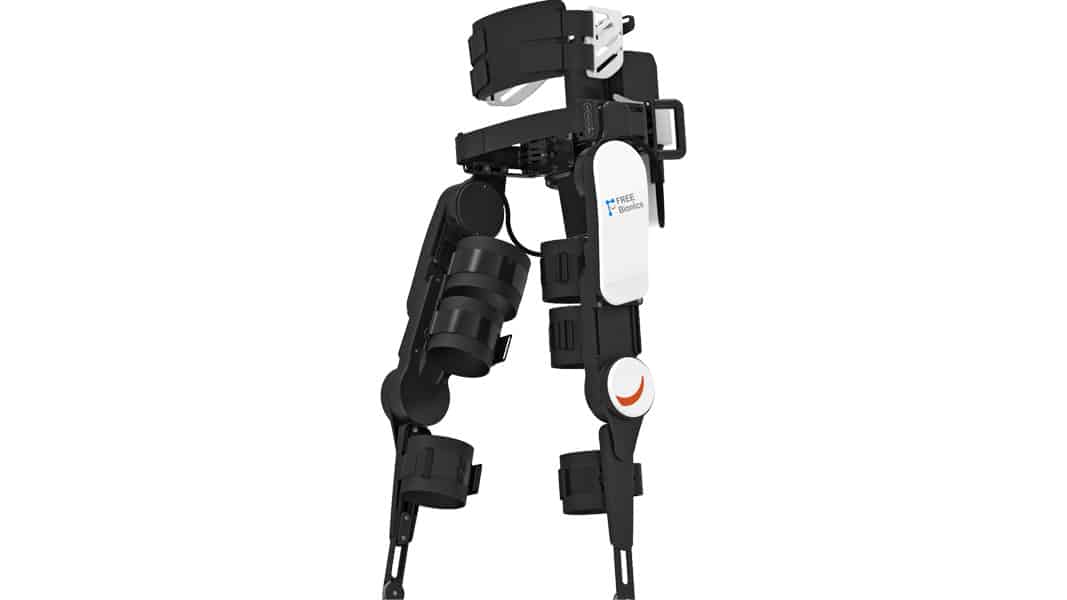
Personal-use exoskeletons (spinal cord injury). Wearable robotic exoskeleton with motorised hips and knees that lets people with spinal cord injury stand, walk, turn and use stairs with crutches.
Price on request
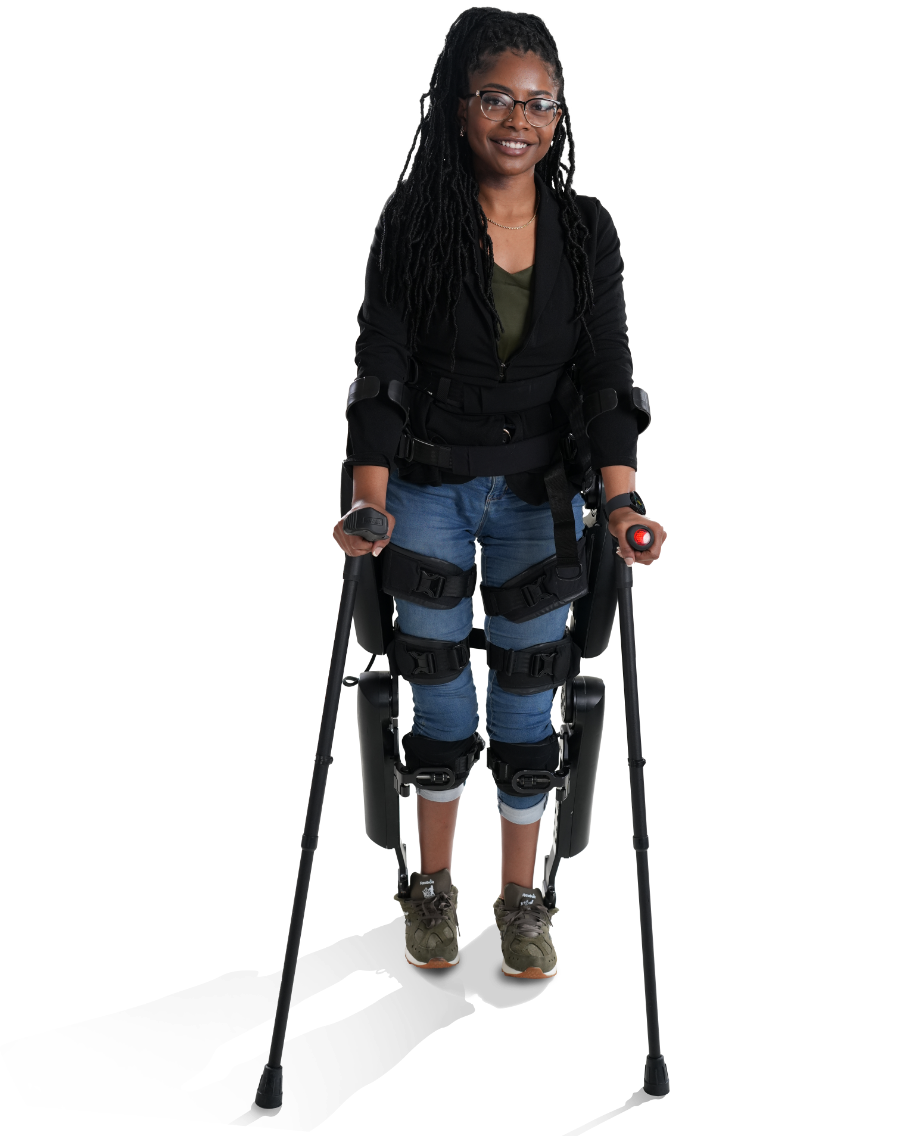
Personal-use exoskeletons (spinal cord injury). Powered lower-limb exoskeleton used with crutches to help people with leg weakness stand up, walk and sit down.
Price on request
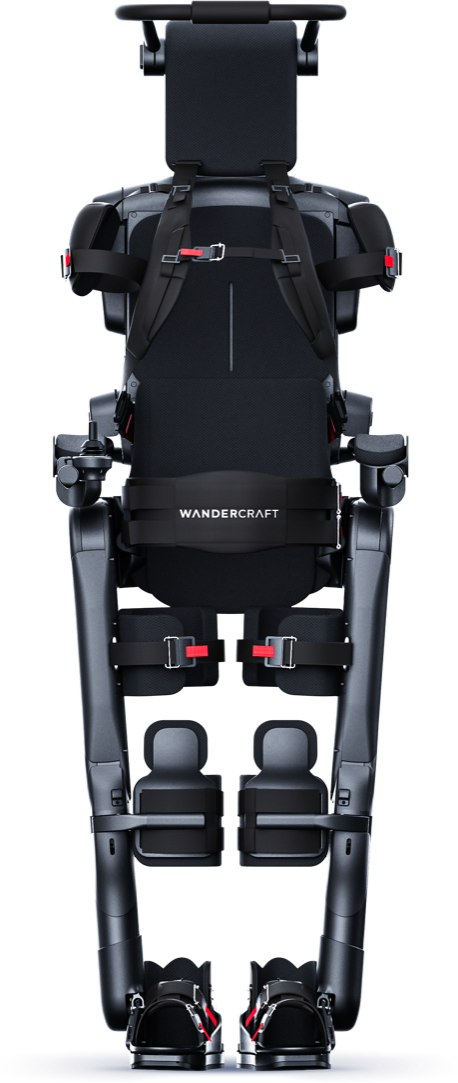
Self-balancing exoskeletons. Self-balancing personal exoskeleton that provides hands-free upright mobility at home without crutches.
Price on request
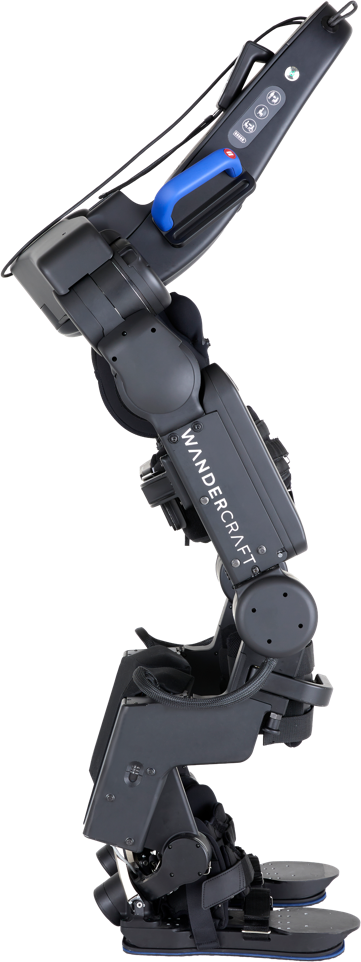
Self-balancing exoskeletons. Hands-free self-balancing rehabilitation exoskeleton for gait and balance therapy in clinics.
Price on request
Self-balancing exoskeletons. Hands-free, self-supporting robotic walking device used in physiotherapy and spinal rehabilitation settings.
News & Tech · 8 min read
A few powered exoskeletons are cleared for use at home, mostly for spinal cord injury, on prescription and with a trained companion. Most others stay in clinics.