Price on request
Atalante X
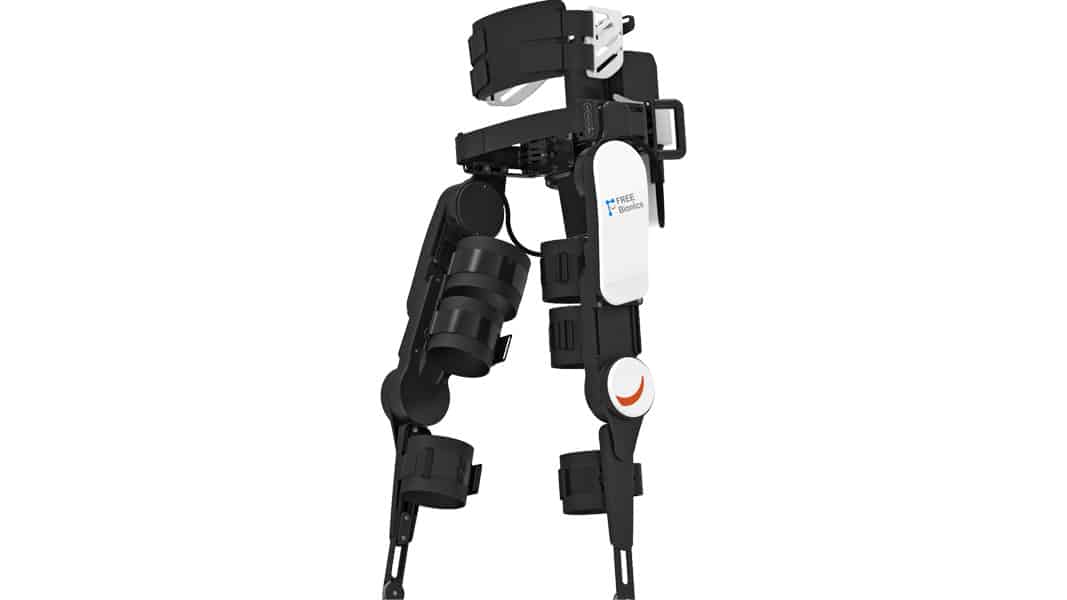
Self-balancing exoskeletons. Hands-free self-balancing rehabilitation exoskeleton for gait and balance therapy in clinics.
Photo could not be loaded
Wandercraft · Self-balancing exoskeletons · EX-004
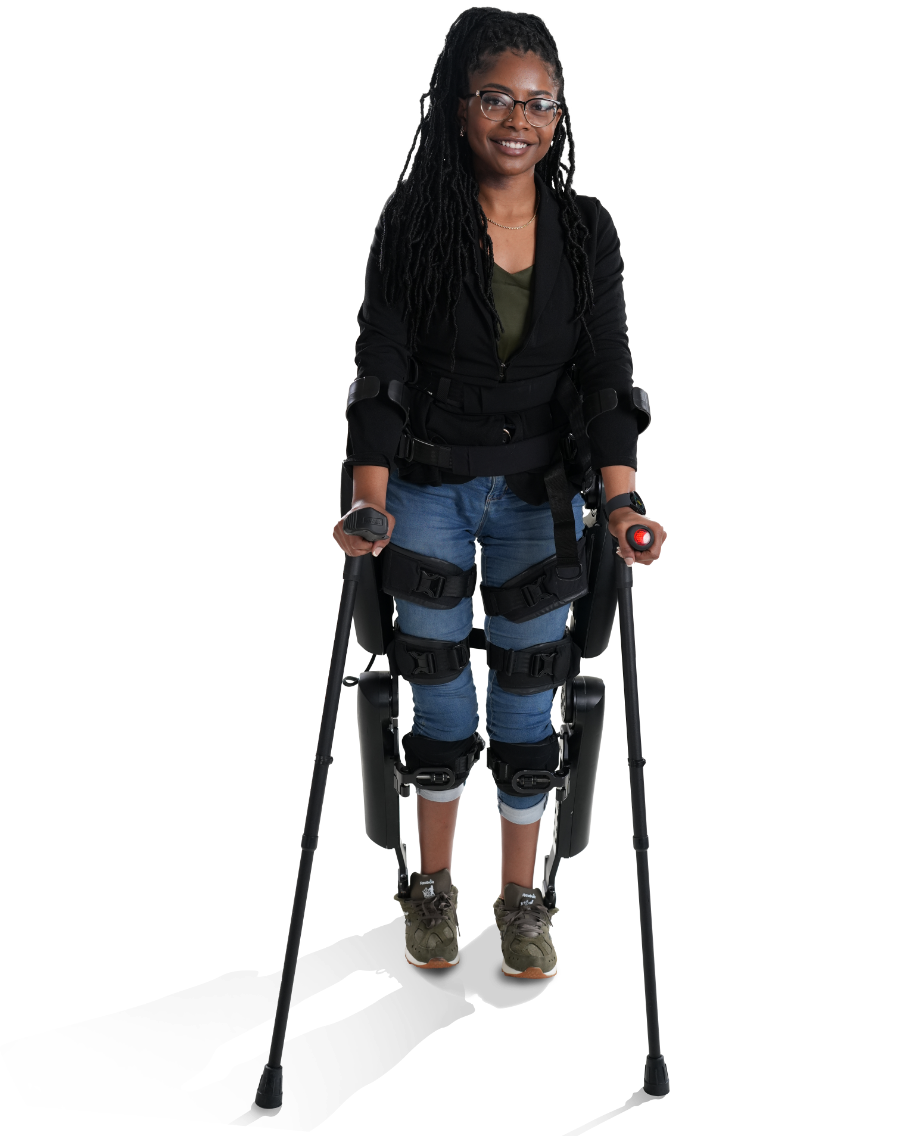
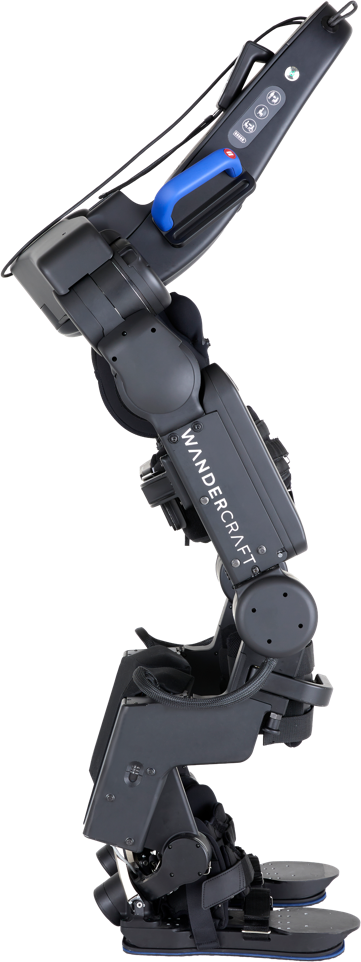
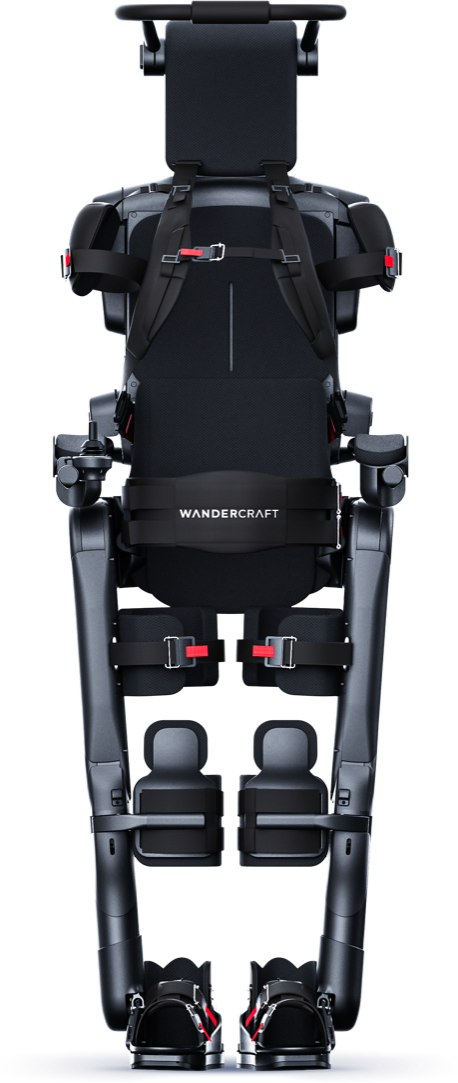
The Wandercraft Eve is a self-balancing personal exoskeleton that keeps the wearer upright without crutches, leaving both hands free. Twelve motors drive it and a remote controller operates it, with battery life given as four hours. It carries users up to 100 kg and 1.94 m tall. The FDA has cleared Eve as a Class II device (K260381) for adults with spinal cord injury at any neurological level.
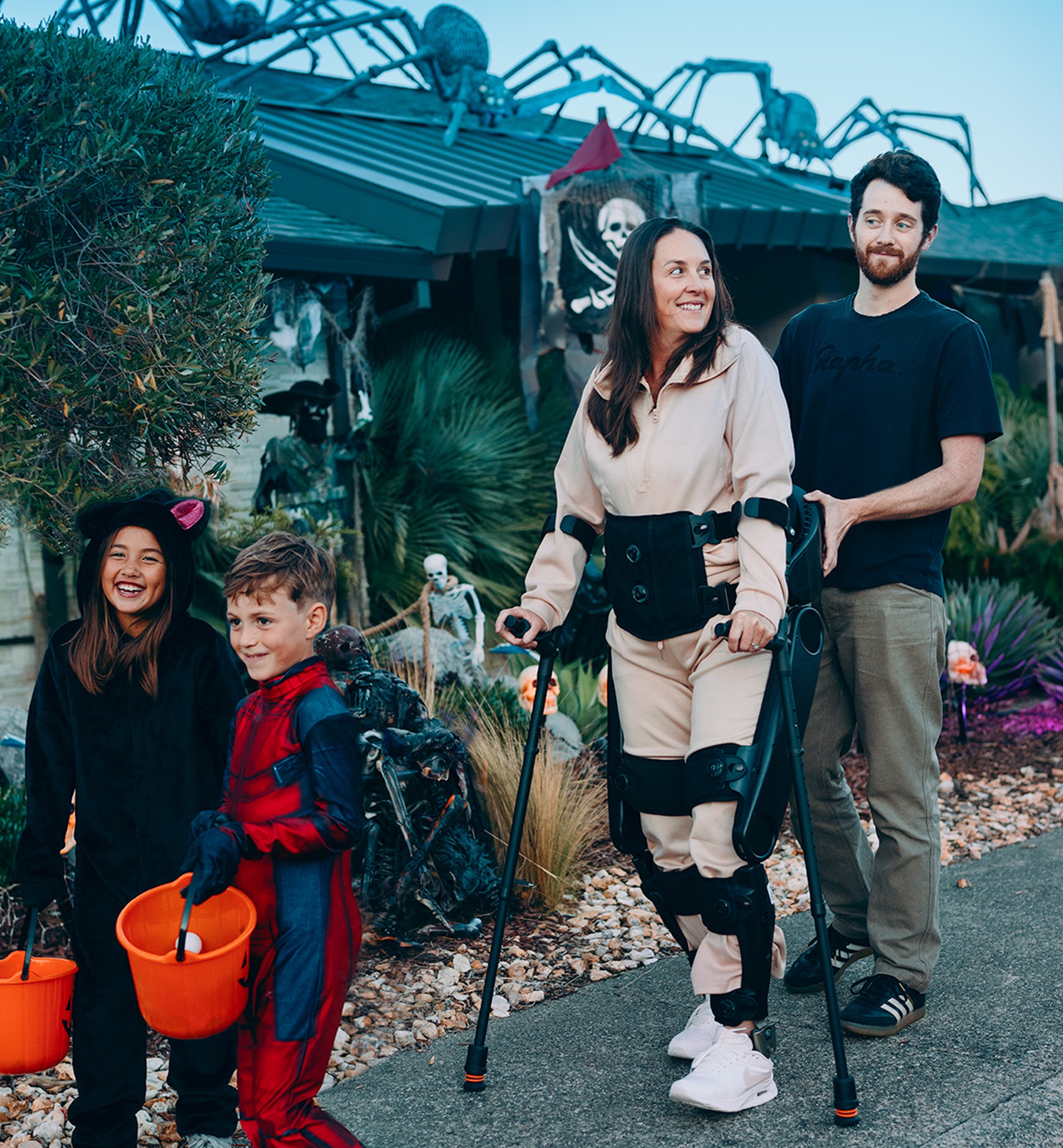
For adults aged 18 and over with spinal cord injury who want to stand and move hands-free at home, on firm, dry, level floors and patios. It is not for stairs, slopes or streets. A prescription and clinical assessment are required.
This kind of device is prescribed and fitted by a clinician. An enquiry starts that conversation. It is not a purchase.
The same units on every product, converted from the specifications below. Where a source gives two limits, the lower one is shown.
| Type | Self-balancing personal exoskeleton |
|---|---|
| Motors | 12 |
| Battery life | 4 h |
| Max user weight | 100 kg (220 lb) |
| Max user height | 1.94 m (6 ft 4 in) |
| Control | Remote controller |
| Regulatory | FDA cleared Class II (K260381), prescription device |
| Indication | Adults 18+ with SCI at any neurological level |
| Surfaces | Level, firm, dry, smooth; indoors and level outdoor areas |
| US availability | From 17 September 2026 |
| Price | Quoted on request |
| Maker country | France |
| Brand | Wandercraft |
| Category | Walking exoskeletons, Self-balancing exoskeletons |
| Catalog ID | EX-004 |
Compared with the source page on 5 October 2026. Details can change, so we confirm them in your quote. Open the source page.
No. Eve balances itself, so the wearer's hands stay free. A trained companion must still be present at all times.
Users up to 100 kg (220 lb) and up to 1.94 m (6 ft 4 in). Limits on leg length, pelvis width and joint mobility also apply.
Only on level outdoor areas such as patios and terraces with firm, dry, smooth ground. It is not for stairs, slopes, ramps, wet ground or public streets.
Press Add to enquiry. You can add other products and parts to the same list.
Send the list with your country, sizes and any options you want. No payment details are asked.
You receive availability, a price and delivery options by email, and decide after that.
Price on request
Self-balancing exoskeletons. Hands-free self-balancing rehabilitation exoskeleton for gait and balance therapy in clinics.
Price on request
Self-balancing exoskeletons. Hands-free, self-supporting robotic walking device used in physiotherapy and spinal rehabilitation settings.
Price on request
Personal-use exoskeletons (spinal cord injury). Wearable robotic exoskeleton with motorised hips and knees that lets people with spinal cord injury stand, walk, turn and use stairs with crutches.
Price on request
Personal-use exoskeletons (spinal cord injury). Modular powered hip-knee exoskeleton that the user can put on independently for walking at home and in the community.
Price on request
Personal-use exoskeletons (spinal cord injury). Powered lower-limb exoskeleton used with crutches to help people with leg weakness stand up, walk and sit down.
News & Tech · 8 min read
A few powered exoskeletons are cleared for use at home, mostly for spinal cord injury, on prescription and with a trained companion. Most others stay in clinics.