Price on request
Eve
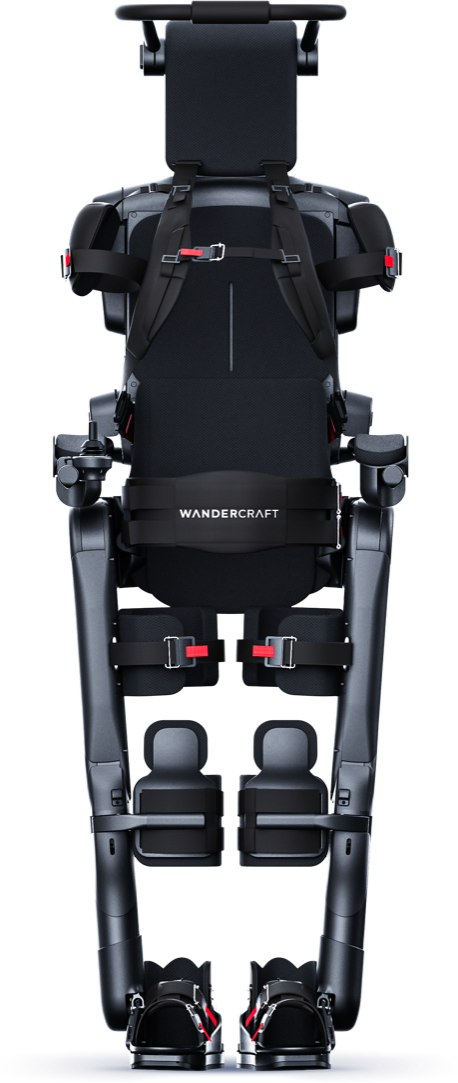
Self-balancing exoskeletons. Self-balancing personal exoskeleton that provides hands-free upright mobility at home without crutches.
No photo yet
REX Bionics · Self-balancing exoskeletons · EX-006
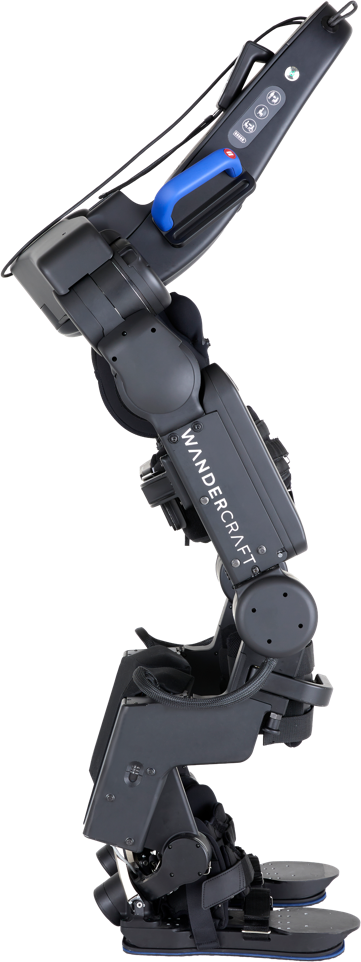
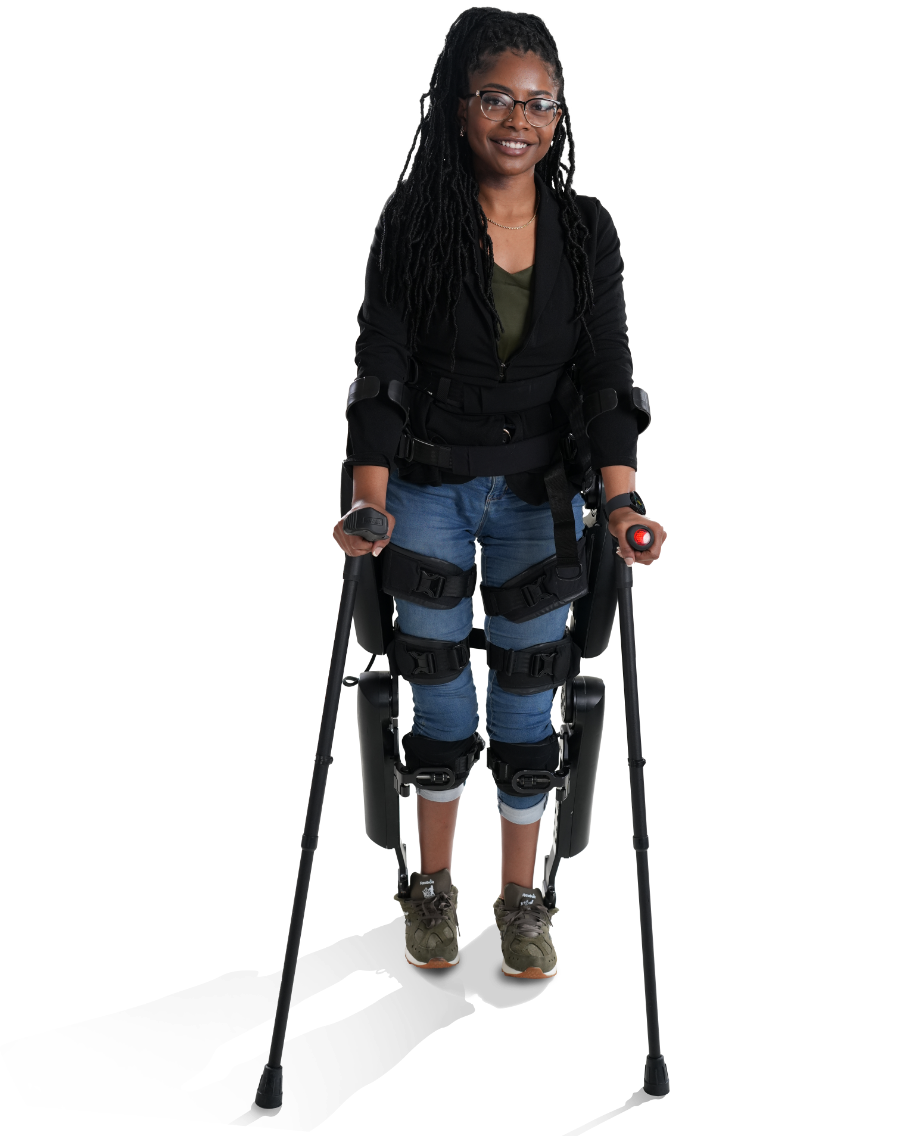
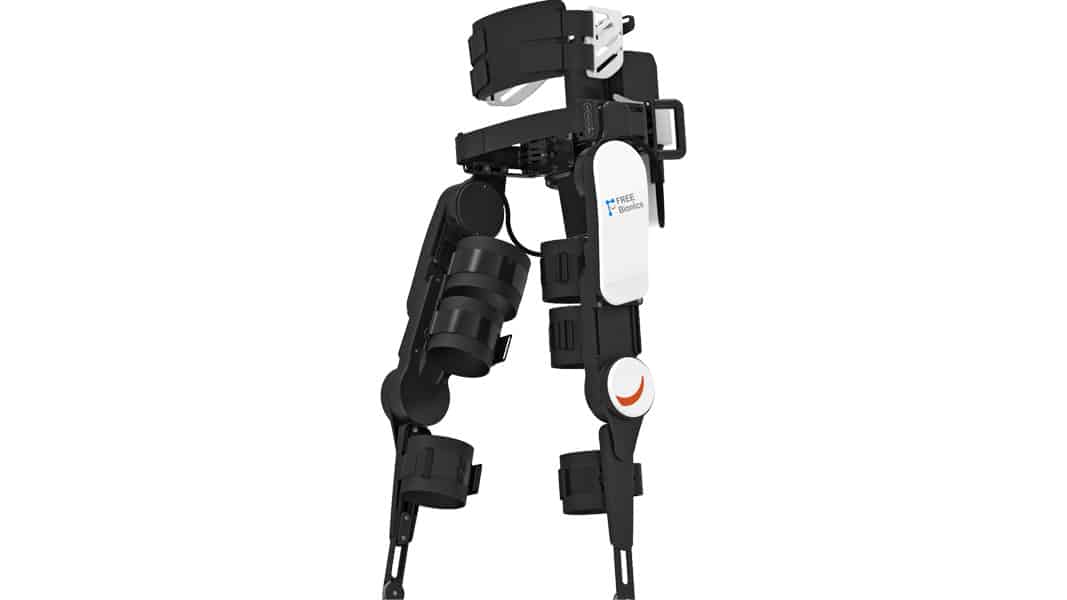
The REX Bionics REX is a robotic walking device that supports itself and the person in it, so no crutches or frame are needed and the hands stay free. The user controls it independently. It is used for exercise in physiotherapy and has been deployed in the spinal cord unit of the Royal National Orthopaedic Hospital at Stanmore, near London. The maker's site gives no weight or size limits.
For wheelchair users doing standing and stepping exercise in a physiotherapy centre or spinal rehabilitation unit, including people who cannot grip crutches. Whether it suits a given patient is decided by the treating rehabilitation team.
This kind of device is prescribed and fitted by a clinician. An enquiry starts that conversation. It is not a purchase.
| Type | Self-supporting robotic walking device |
|---|---|
| Hands | Free during use |
| Control | Independently controlled by the user |
| Setting | Physiotherapy centres, spinal rehabilitation units |
| User limits | Not published on the maker's home page |
| Price | Quoted on request |
| Maker country | New Zealand / UK |
| Brand | REX Bionics |
| Category | Walking exoskeletons, Self-balancing exoskeletons |
| Catalog ID | EX-006 |
Compared with the source page on 5 October 2026. Details can change, so we confirm them in your quote. Open the source page.
No. REX is self-supporting and hands-free.
In physiotherapy settings and spinal rehabilitation units. The maker names the spinal cord unit at the Royal National Orthopaedic Hospital, Stanmore.
The maker's home page does not state user weight or height limits. Send an enquiry and we will ask the supplier.
Press Add to enquiry. You can add other products and parts to the same list.
Send the list with your country, sizes and any options you want. No payment details are asked.
You receive availability, a price and delivery options by email, and decide after that.
Price on request
Self-balancing exoskeletons. Self-balancing personal exoskeleton that provides hands-free upright mobility at home without crutches.
Price on request
Self-balancing exoskeletons. Hands-free self-balancing rehabilitation exoskeleton for gait and balance therapy in clinics.
Price on request
Personal-use exoskeletons (spinal cord injury). Wearable robotic exoskeleton with motorised hips and knees that lets people with spinal cord injury stand, walk, turn and use stairs with crutches.
Price on request
Personal-use exoskeletons (spinal cord injury). Modular powered hip-knee exoskeleton that the user can put on independently for walking at home and in the community.
Price on request
Personal-use exoskeletons (spinal cord injury). Powered lower-limb exoskeleton used with crutches to help people with leg weakness stand up, walk and sit down.
News & Tech · 8 min read
A few powered exoskeletons are cleared for use at home, mostly for spinal cord injury, on prescription and with a trained companion. Most others stay in clinics.