Price on request
Ekso Indego Personal
Personal-use exoskeletons (spinal cord injury). Modular powered hip-knee exoskeleton that the user can put on independently for walking at home and in the community.
Photo could not be loaded
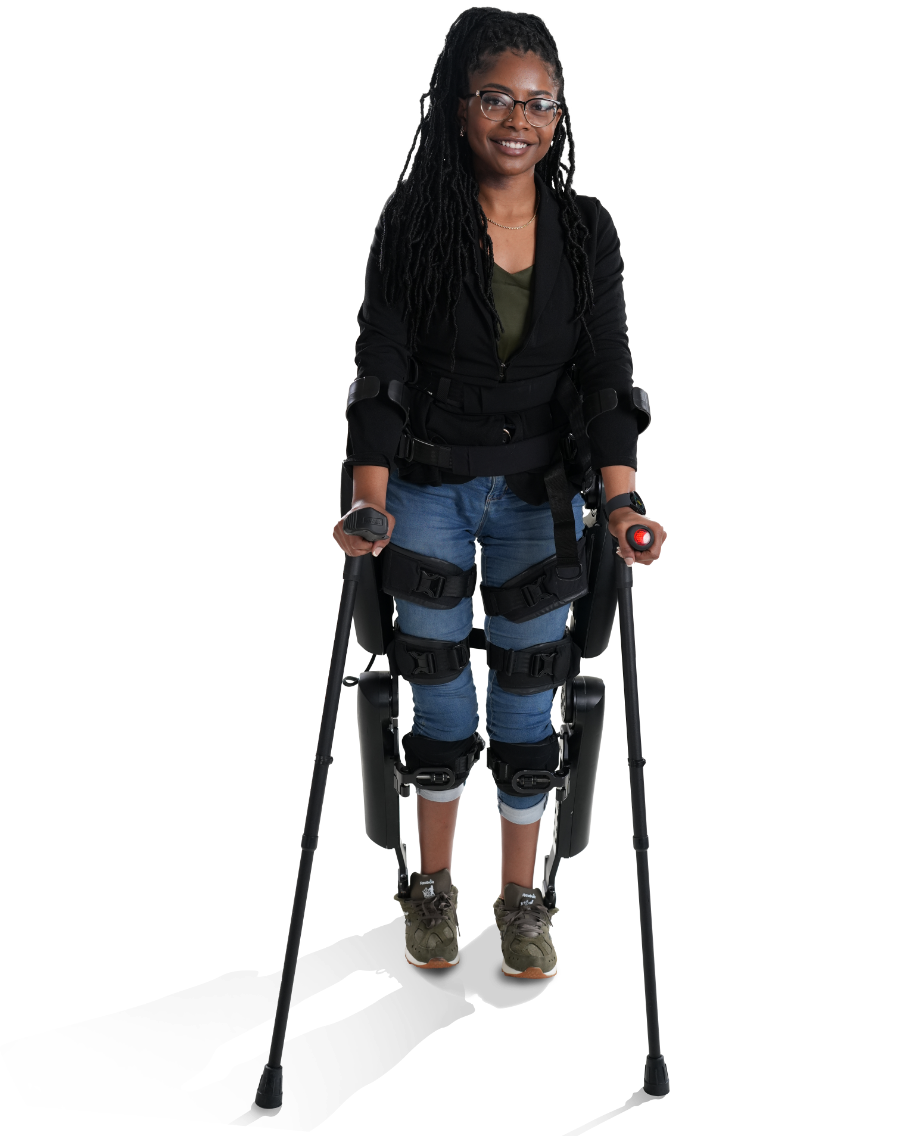
Lifeward (ReWalk) · Personal-use exoskeletons (spinal cord injury) · EX-001
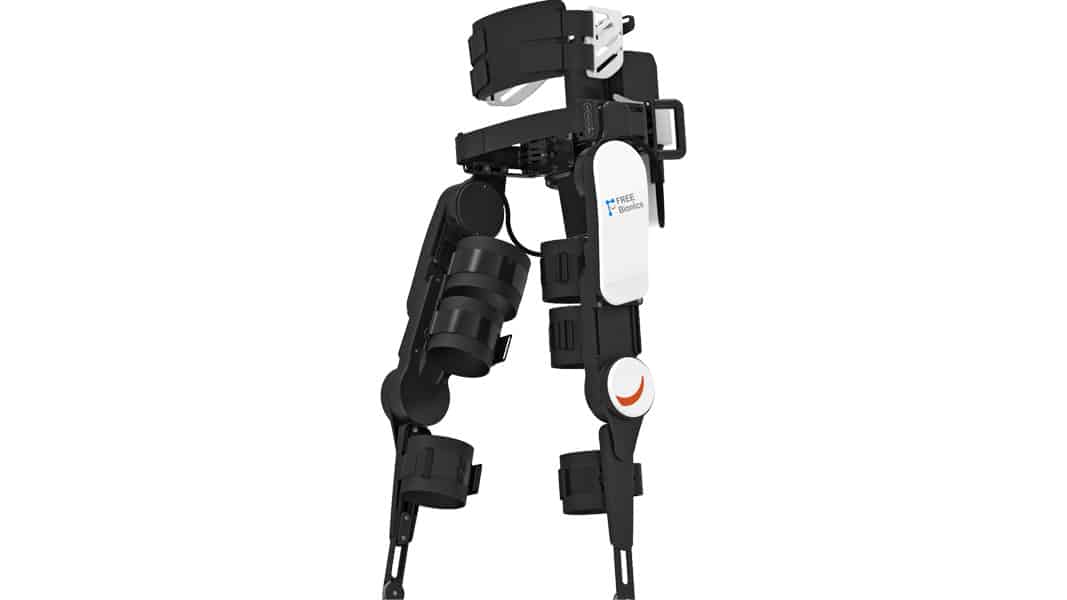
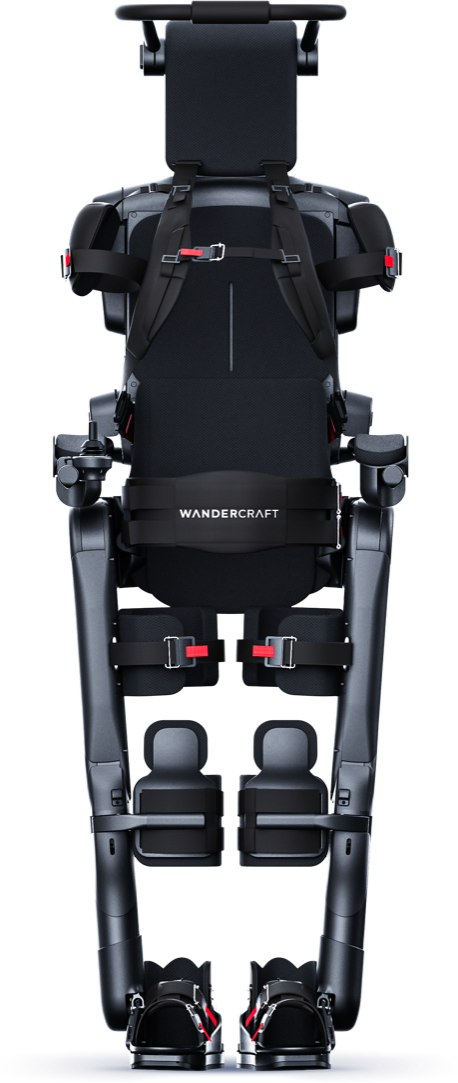
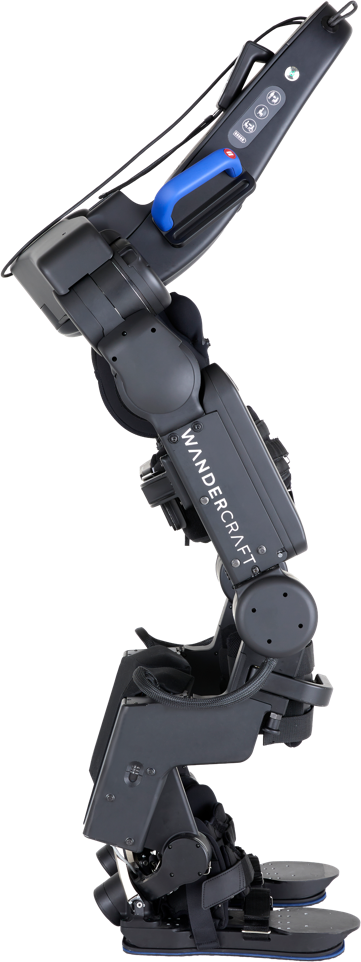
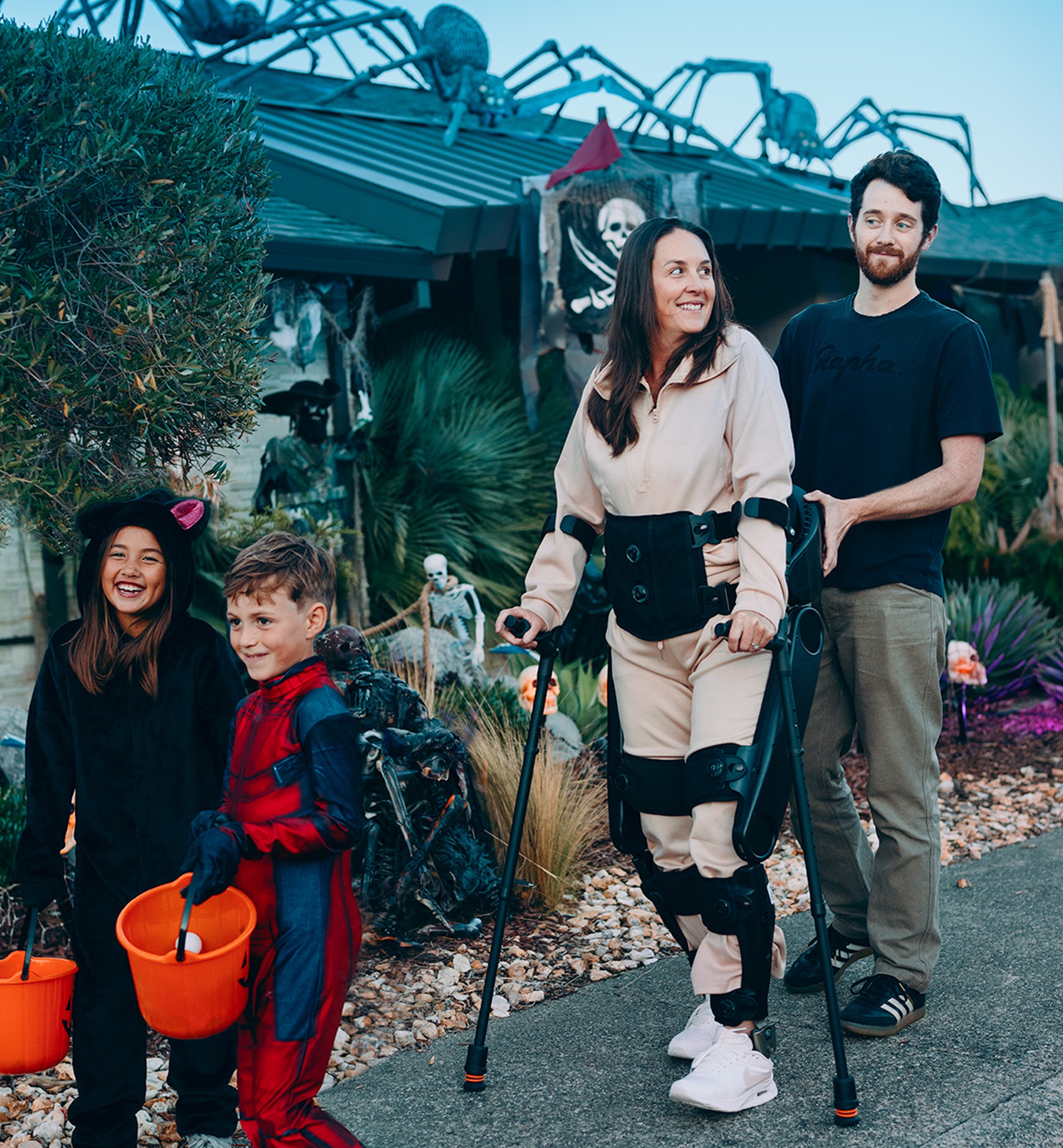
The Lifeward ReWalk 7 Personal Exoskeleton is a wearable robotic frame with motors at the hips and knees that lets a person with spinal cord injury stand up, walk, turn and take stairs and curbs while using crutches. Commands come from a control on the crutch or a smartwatch, and there are two walking speeds. In the USA it is indicated for injury levels T7 to L5 at home and in the community.
For adults with spinal cord injury who have the arm and hand function to use crutches and who want to walk at home, at work and outdoors after completing training. A certified companion is required, and a clinician assesses whether you are a candidate.
This kind of device is prescribed and fitted by a clinician. An enquiry starts that conversation. It is not a purchase.
| Type | Personal walking exoskeleton |
|---|---|
| Powered joints | Hip and knee |
| Controls | Crutch control, smartwatch, MyReWalk app |
| Walking speeds | 2 selectable |
| Ankle | Adjustable ankle joints |
| US indication | SCI T7-L5 home and community; T4-T6 rehabilitation settings |
| Surfaces | Level ground, mild slopes, stairs, curbs |
| Companion | Certified companion required |
| Regulatory | US Medicare coverage since 1 Jan 2024 (per maker); ask for the status in your country |
| Price | Quoted on request |
| Maker country | Israel / USA |
| Brand | Lifeward (ReWalk) |
| Category | Walking exoskeletons, Personal-use exoskeletons (spinal cord injury) |
| Catalog ID | EX-001 |
Compared with the source page on 5 October 2026 and corrected to match it. Details can change, so we confirm them in your quote. Open the source page.
Yes. Lifeward lists stairs and curbs among the environments it is indicated for, along with level surfaces and mild slopes.
In the USA it is indicated for people with spinal cord injury at levels T7 to L5, with a certified companion. Levels T4 to T6 are limited to rehabilitation settings.
The maker notes US Medicare coverage under the brace benefit category since 1 January 2024. Individual eligibility is decided case by case.
Press Add to enquiry. You can add other products and parts to the same list.
Send the list with your country, sizes and any options you want. No payment details are asked.
You receive availability, a price and delivery options by email, and decide after that.
Price on request
Personal-use exoskeletons (spinal cord injury). Modular powered hip-knee exoskeleton that the user can put on independently for walking at home and in the community.
Price on request
Personal-use exoskeletons (spinal cord injury). Powered lower-limb exoskeleton used with crutches to help people with leg weakness stand up, walk and sit down.
Price on request
Self-balancing exoskeletons. Self-balancing personal exoskeleton that provides hands-free upright mobility at home without crutches.
Price on request
Self-balancing exoskeletons. Hands-free self-balancing rehabilitation exoskeleton for gait and balance therapy in clinics.
Price on request
Self-balancing exoskeletons. Hands-free, self-supporting robotic walking device used in physiotherapy and spinal rehabilitation settings.
News & Tech · 8 min read
A few powered exoskeletons are cleared for use at home, mostly for spinal cord injury, on prescription and with a trained companion. Most others stay in clinics.