Last updated: 20 November 2026 · Total: 289 products
Equipment used in physiotherapy and occupational therapy, at a clinic or at home. It covers electrical stimulation and FES units; physical therapy modalities such as shockwave, therapeutic ultrasound, laser, pulsed magnetic field (PEMF) and shortwave or microwave diathermy; hydrotherapy pools, whirlpools and underwater treadmills; gait training with body-weight support, parallel bars and treadmills; hot packs, paraffin baths and cold therapy units; cervical and lumbar traction; pneumatic compression pumps; massage and soft tissue tools; CPM machines and hand rehabilitation; exercise and breathing trainers; biofeedback, balance and strength assessment and vibration platforms; tilt tables and treatment couches; and therapy equipment for children. The choice of device and its settings is made with a physiotherapist, occupational therapist or doctor.
Where to buy rehabilitation & therapy: you can order any of the 289 products on this page through Mobility Atlas with delivery to Australia, New Zealand, the United Arab Emirates, Saudi Arabia, Qatar, Kuwait, Bahrain, Oman, Singapore, Malaysia, Hong Kong, the Philippines, Israel, Mexico, Brazil, Colombia, Chile, Peru, Argentina and the United States. 139 of them have our price, from US$5 to US$27,471 before delivery; the rest are quoted on request. Brands here include Chattanooga, THERABAND, LiteGait, Everyway4all, Kinetec and ITO. Send an enquiry with your country, and Anna replies within 24 hours with a written quote that adds delivery and any import duties. Delivery by country
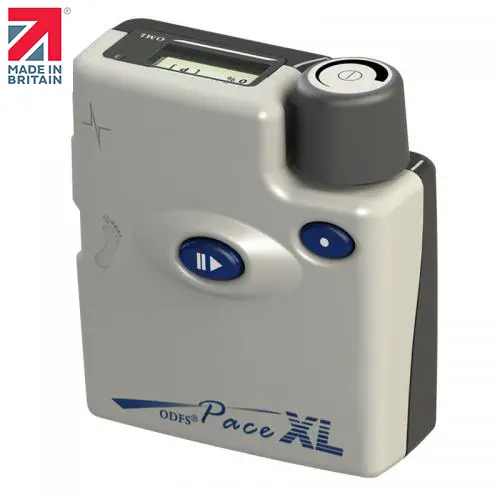
FES for walking (foot drop). Single-channel dropped foot stimulator from the National Clinical FES Centre in Salisbury; the wireless version of the ODFS Pace, triggered by a radio-linked footswitch so there is no lead between shoe and stimulator. It also has an exercise mode and an activity logger.
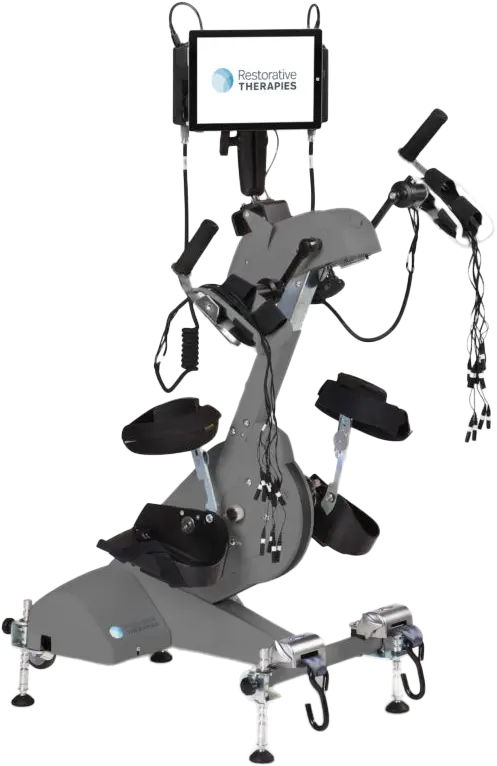
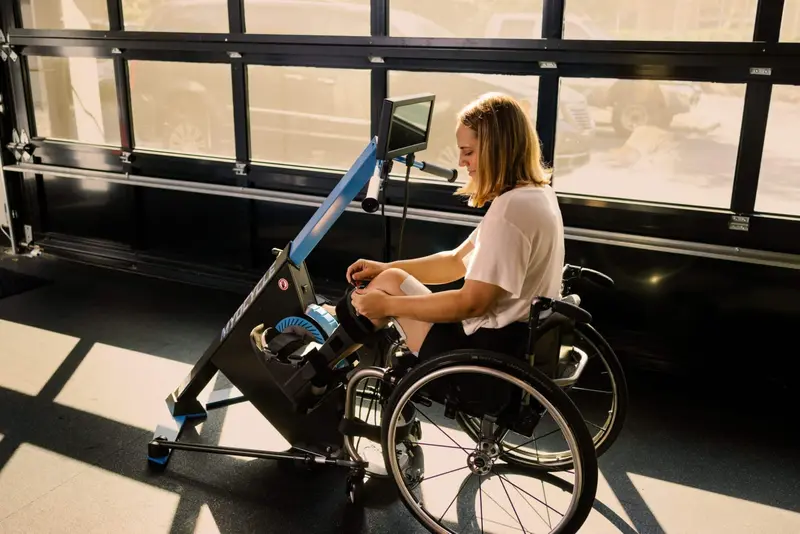
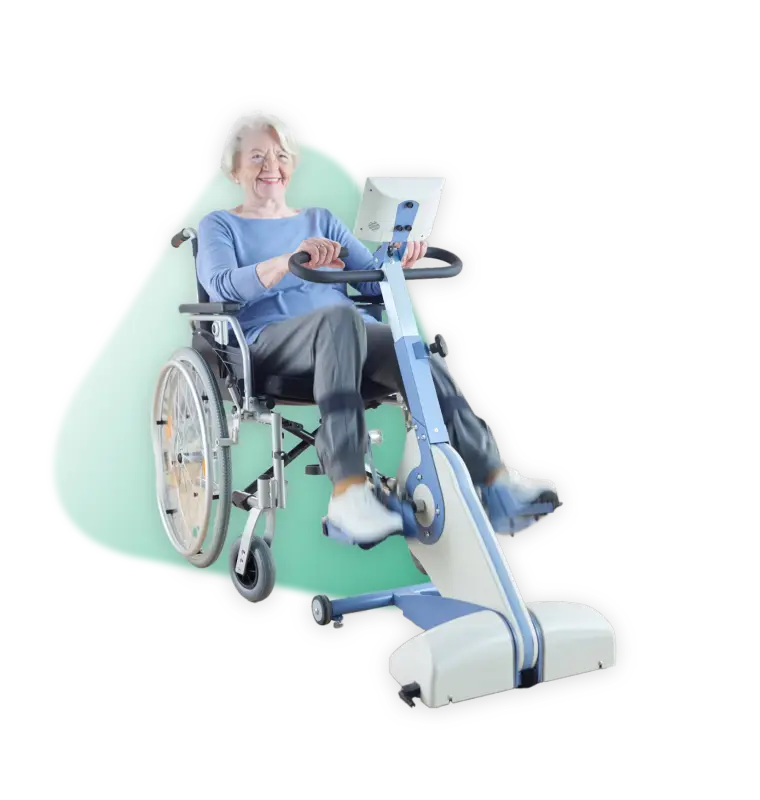
FES cycling and multi-channel FES systems. Motorised FES cycle that combines up to 12 channels of electrical stimulation with motor-assisted or resisted cycling for the legs, arms and core; used seated, including from a wheelchair, in clinics and at home. Comes as leg/arm/core, leg/core and paediatric leg/core versions.
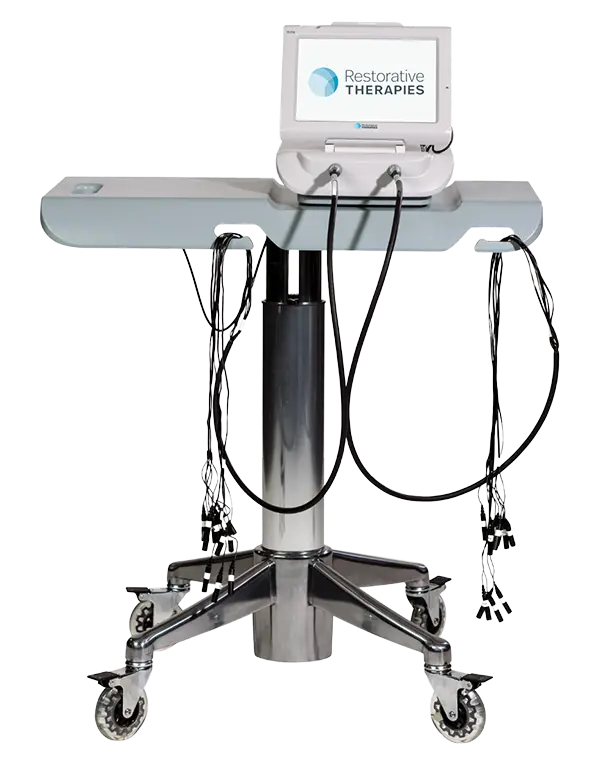
FES cycling and multi-channel FES systems. Clinical station on a height-adjustable cart that applies multi-channel FES during task-specific therapy activities, with more than 40 pre-programmed activities for the hand, upper limb, lower limb and general training.
FES cycling and multi-channel FES systems. Leg FES cycle that stimulates the quadriceps, hamstrings and glutes on both legs while the user pedals from a chair or wheelchair, with automatic spasm detection and a 10-inch touchscreen. Sold in Home, Home Plus, Pro and Pro Plus versions.
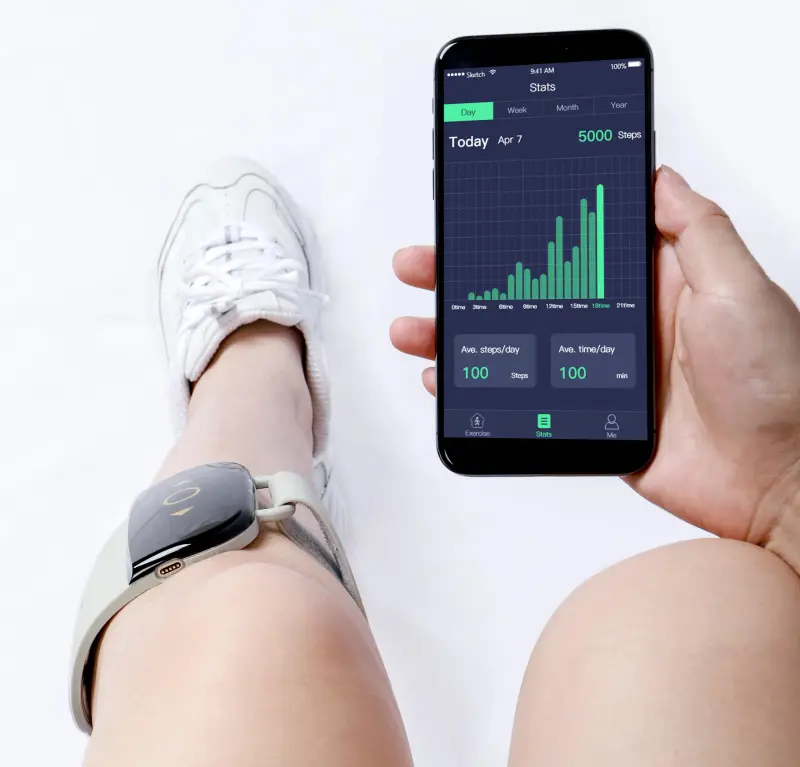
FES for walking (foot drop). Fourth-generation wearable foot drop stimulator from Shenzhen: a cuff below the knee with built-in motion sensors (gyroscope and accelerometer) times stimulation of the common peroneal nerve to the user's gait. It uses metal electrodes instead of disposable gel pads and is set up from a phone app.
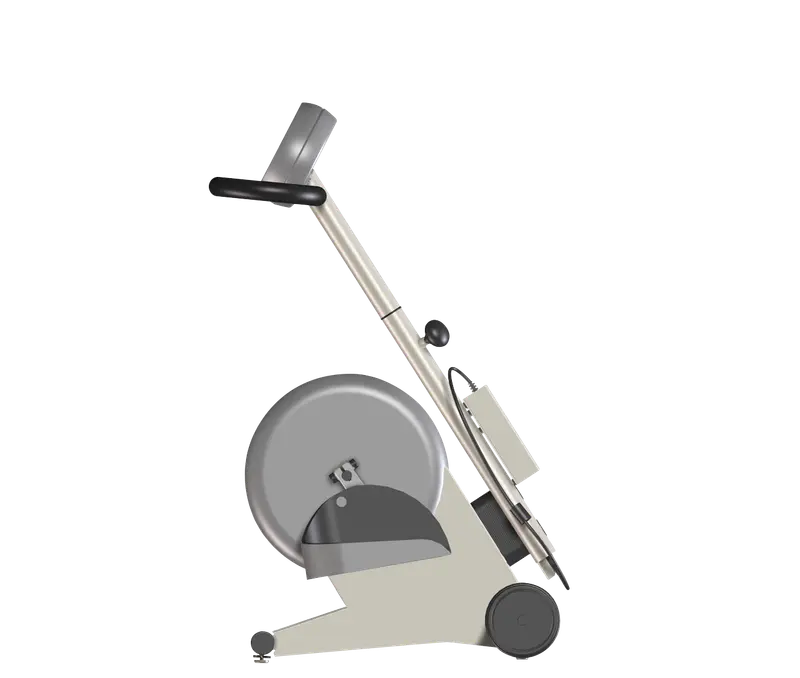
Motorised active-passive leg and arm trainers. Motorised movement trainer used from a chair or wheelchair for passive, assisted or active leg cycling; an add-on arm/upper body unit swings into the training area. Built-in spasm detection reverses or stops the movement.
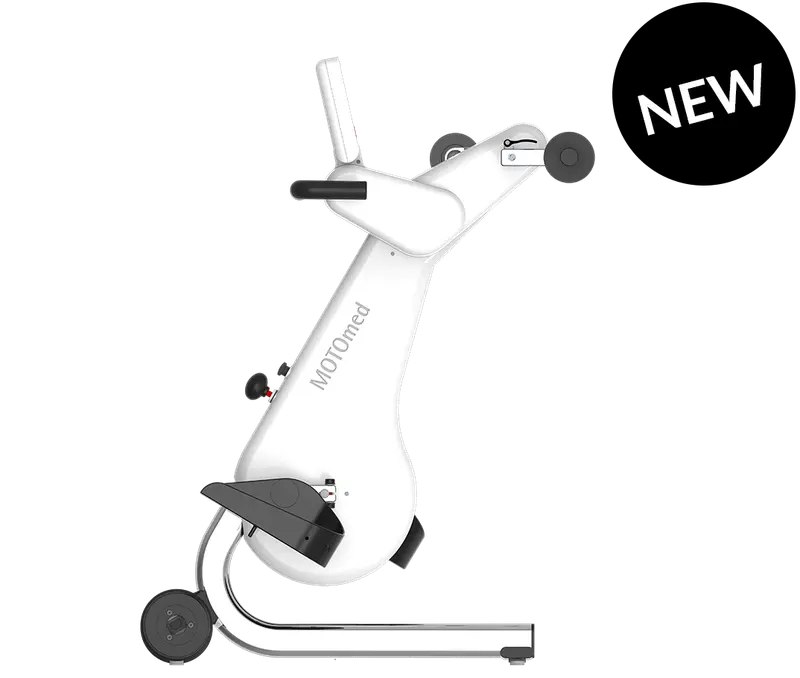
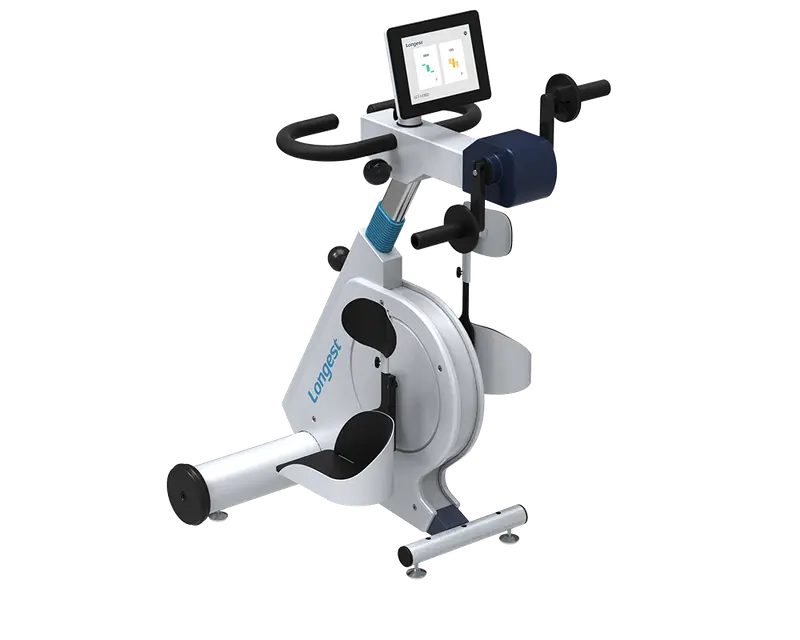
Motorised active-passive leg and arm trainers. Motorised leg or arm/upper body trainer for facilities, used from a chair or wheelchair, with a 7-inch touch display that switches between arm and leg training and a closed plastic body made to be cleaned and disinfected.
Motorised active-passive leg and arm trainers. Motor-assisted cycling trainer for legs and upper body, used seated from a chair or wheelchair, with active, assisted or fully passive movement, a 7-inch touch control unit and an anti-tip device for the chair.
Motorised active-passive leg and arm trainers. Servo-motor active-passive trainer for arms and legs, used from a chair or wheelchair, with active-passive, assistive, symmetry and isokinetic modes, spasm recognition and an 8-inch rotating touch screen; Config II adds height-adjustable support, transport castors and a wheelchair anti-tipper.
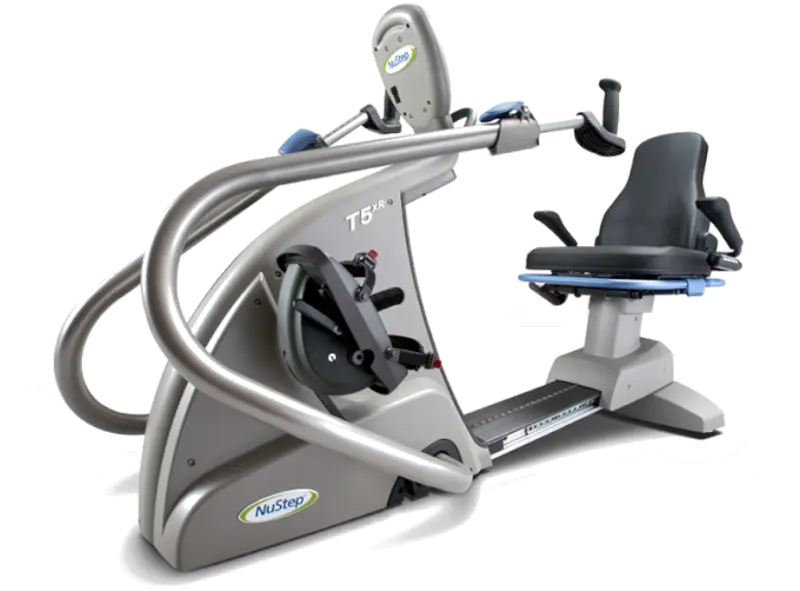
Recumbent steppers and seated cross trainers. Seated recumbent cross trainer that combines arm and leg stepping, with a low step-through frame, a swivel seat that locks every 45 degrees and a freewheel drive that is self-powered at normal stepping speed.
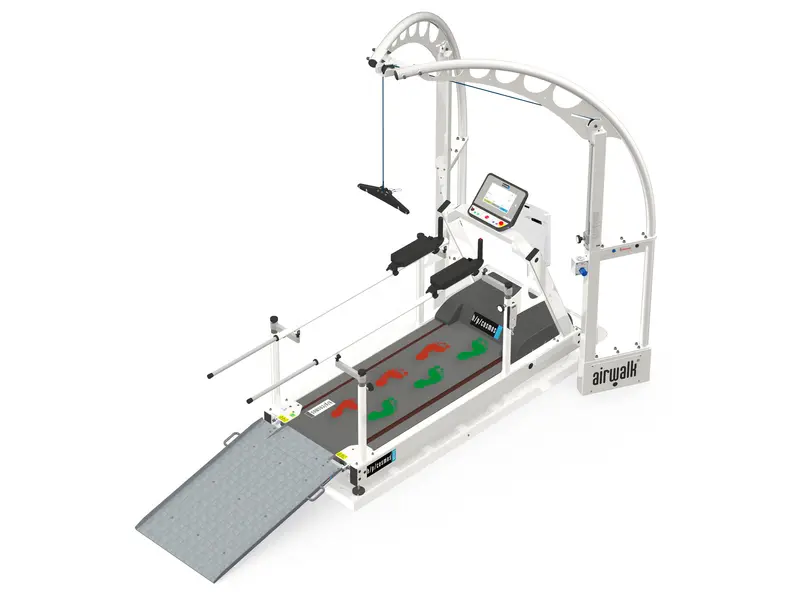
Body-weight support systems. Pneumatic body-weight support frame that stands over an h/p/cosmos treadmill and lifts the user through a vest and harness; the support follows the body up and down and lets the user turn a full 360 degrees.
Body-weight support systems. Treadmill gait station with a gantry and rope off-loading system that can hold the patient with static or dynamic body-weight support, plus adjustable seats so therapists can place the patient's feet while sitting beside the belt.
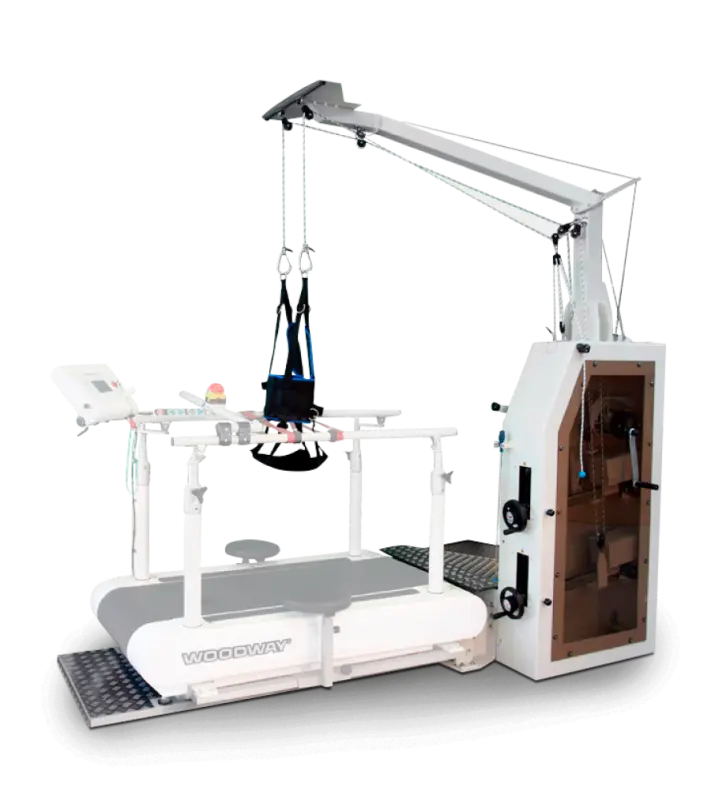
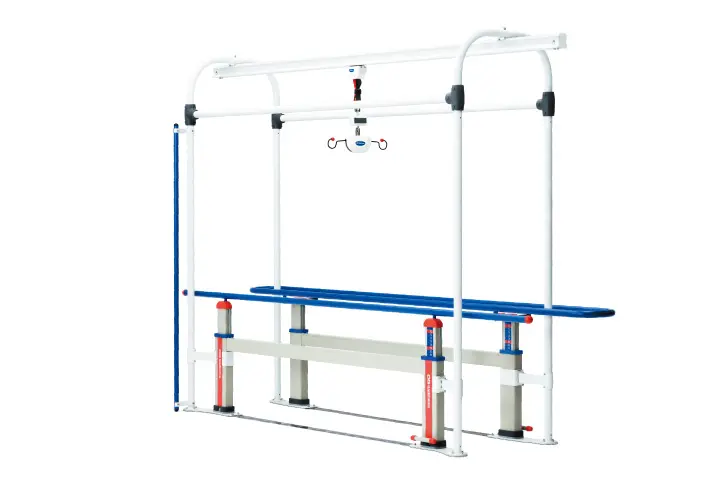
Body-weight support systems. Height-adjustable parallel bars combined with an overhead frame, a rail-mounted unweighting lift (manual or electric) and a harness, so a patient can practise standing up and walking between the bars while partly held from above.
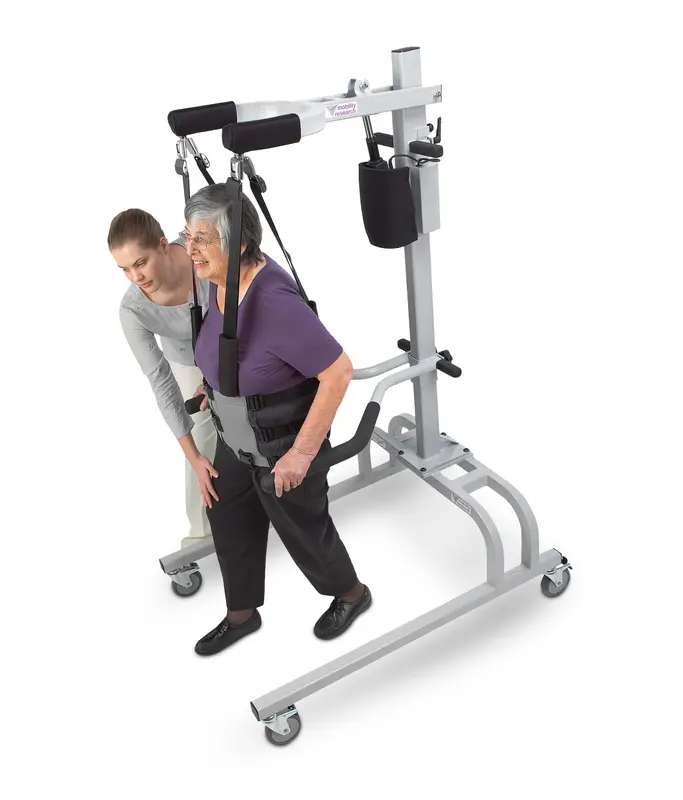
Body-weight support systems. Entry-level adult LiteGait: a wheeled frame with a battery-powered lift in the yoke and four adjustable overhead harness straps that control posture and how much body weight is supported, used over ground or over a treadmill.
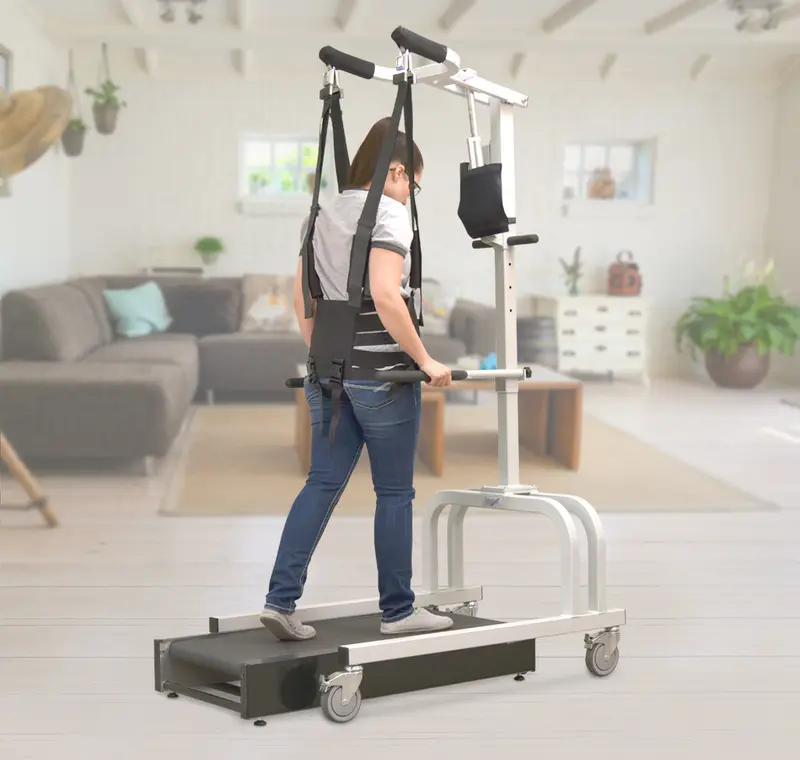
Body-weight support systems. Home version of the LiteGait body-weight support frame, sized to one user, with the same yoke, overhead straps and harness as the clinic models; works over ground or over a small treadmill such as the GaitKeeper Mini.
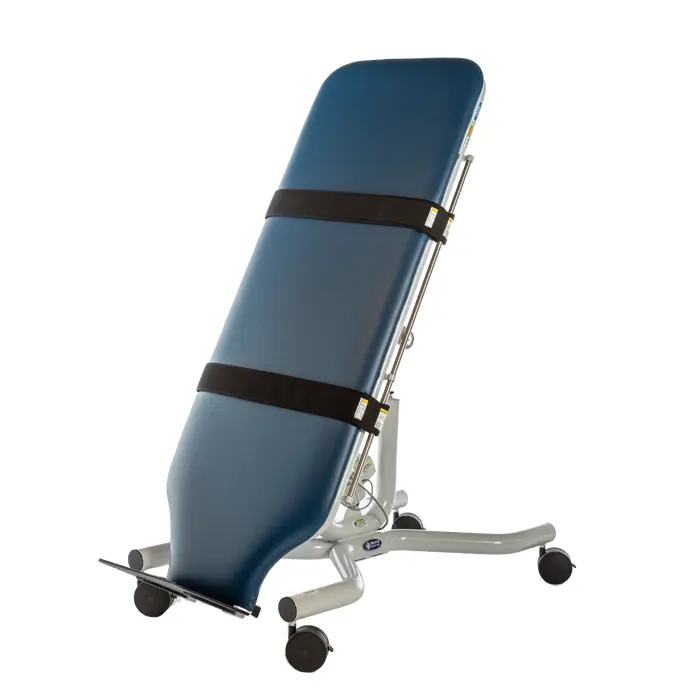
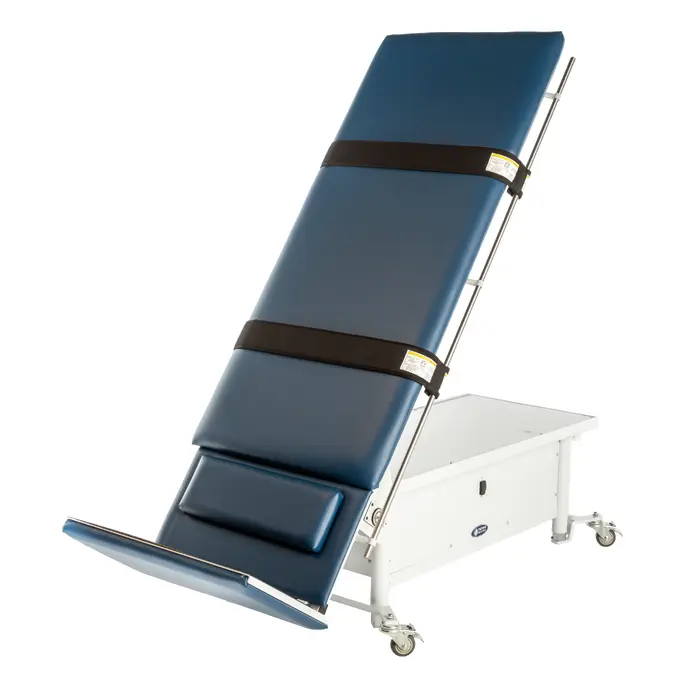
Tilt tables. Fixed-height electric tilt table with a 2-inch upholstered top that tilts from flat to 90 degrees, with an angle indicator, removable footboard and two safety straps; its X-shaped tubular steel base is made to fit under patient lifts.
Tilt tables. Tilt table with electric height adjustment as well as tilt, so it lowers for transfers and folds down to work as a flat treatment table; tilts 0 to 86 degrees with an angle indicator and removable footboard.
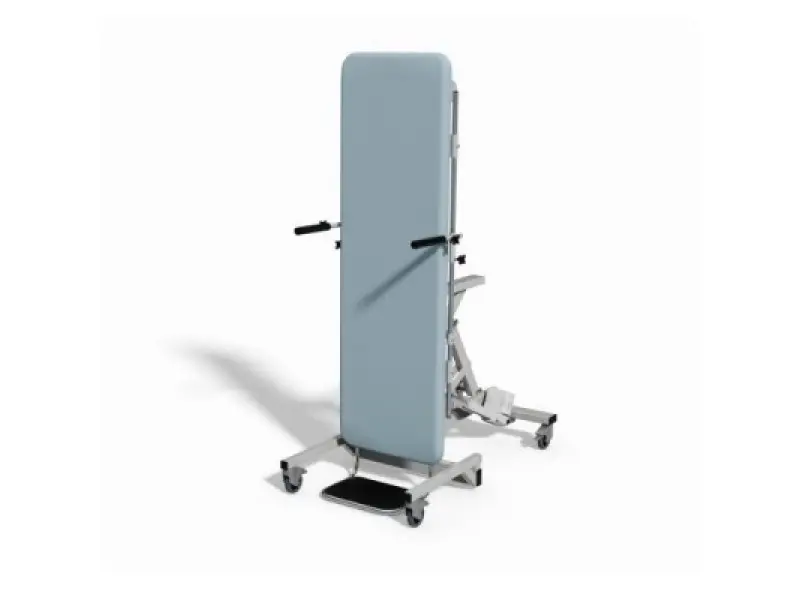
Tilt tables. UK-made electric tilt table that lowers to about wheelchair height for transfers, with electric height and tilt from horizontal to almost vertical, patient harnesses, swing-back grab handles and a footboard.
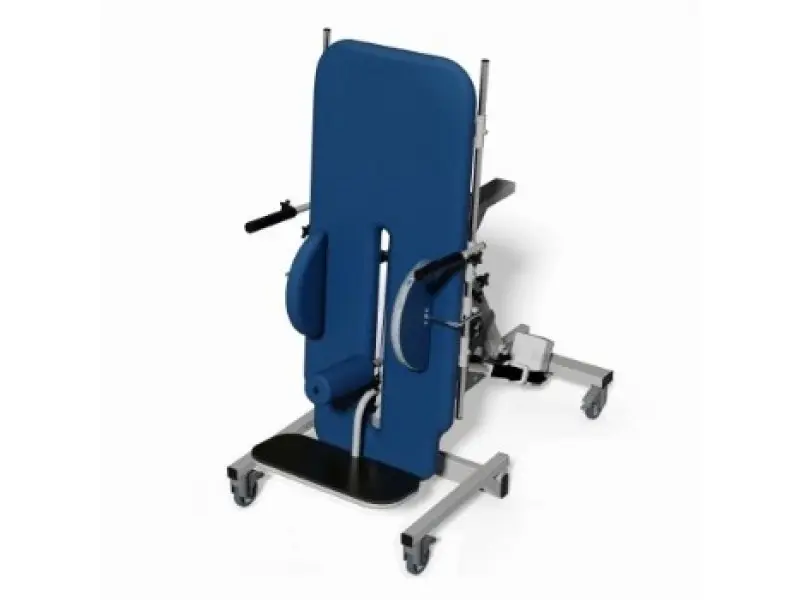
Tilt tables. Shorter paediatric version of the Plinth 501 electric tilt table, with divided leg sections and a pommel, leg stabiliser pads and a four-button hand control for height and tilt.
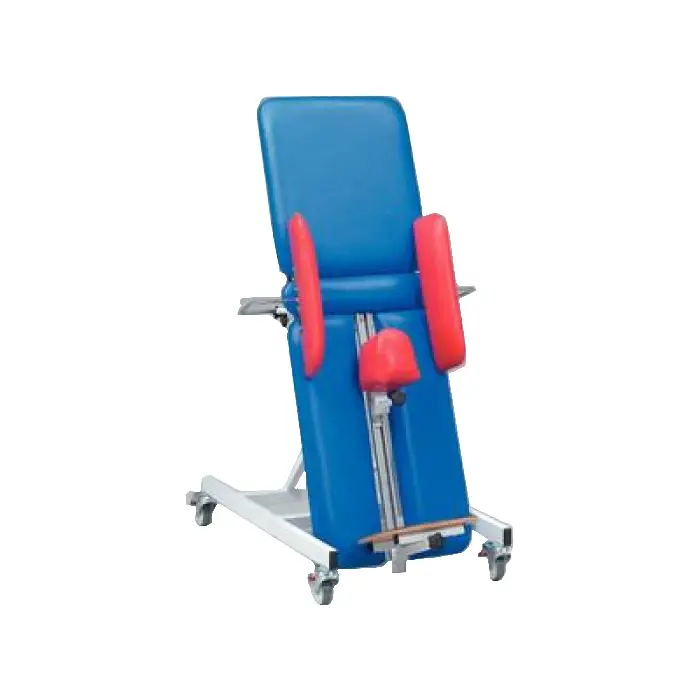
Tilt tables. Economy electric tilt table for children with a powder-coated steel frame, height-adjustable footboard and pommel, adjustable pelvic supports and four large braking castors; tilts from 0 to 90 degrees.
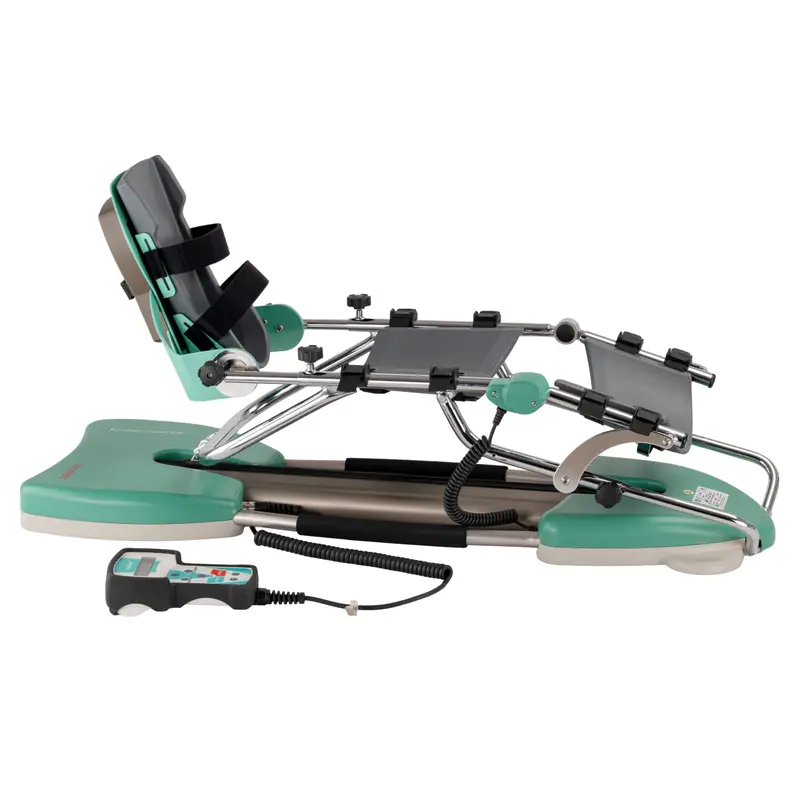
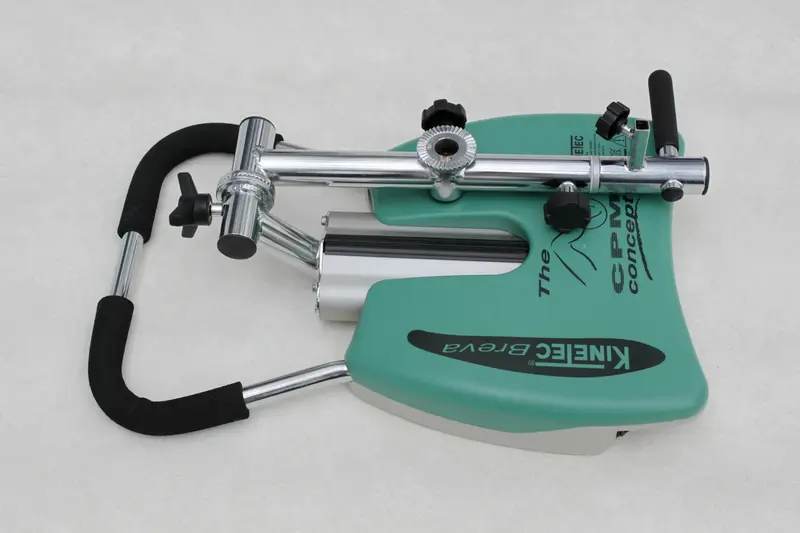
CPM machines. Knee and hip continuous passive motion (CPM) machine that moves the leg through a set range on a bed or treatment table, controlled from a hand pendant with keypad lock.
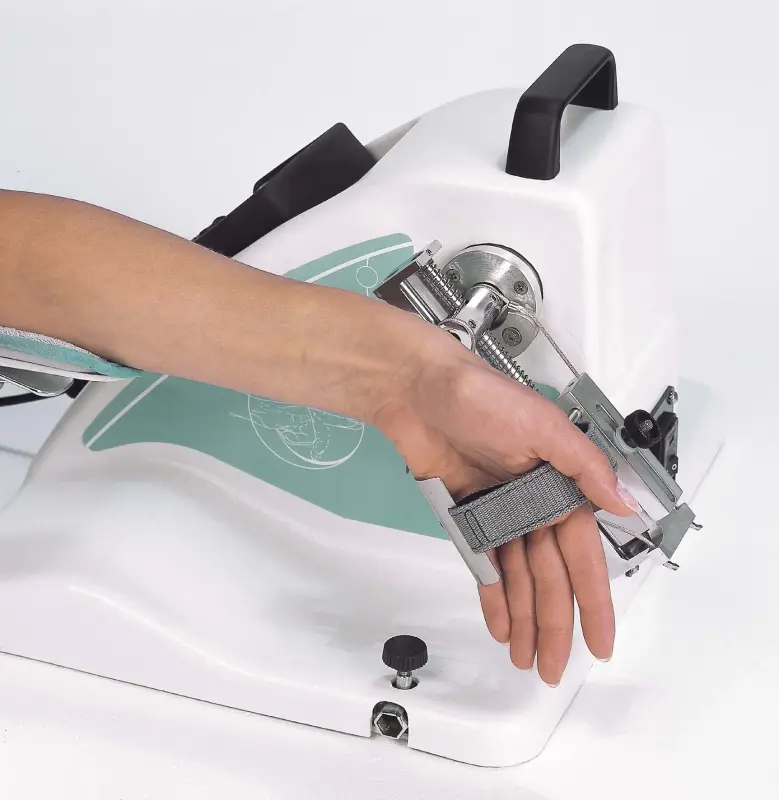
CPM machines. Hand and wrist CPM unit that moves the wrist, fingers and thumb passively in up to 9 movements across 14 joints, with a digital remote and 16 free programmes.
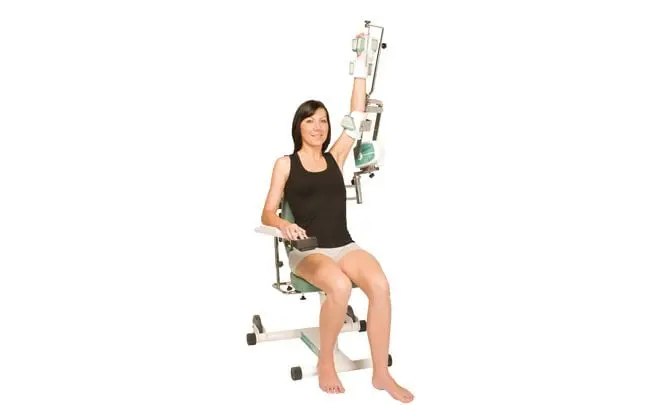
CPM machines. Chair-mounted shoulder CPM for clinics that moves the shoulder in abduction/adduction and flexion/extension, with automatic reversal if the patient resists and USB data capture.
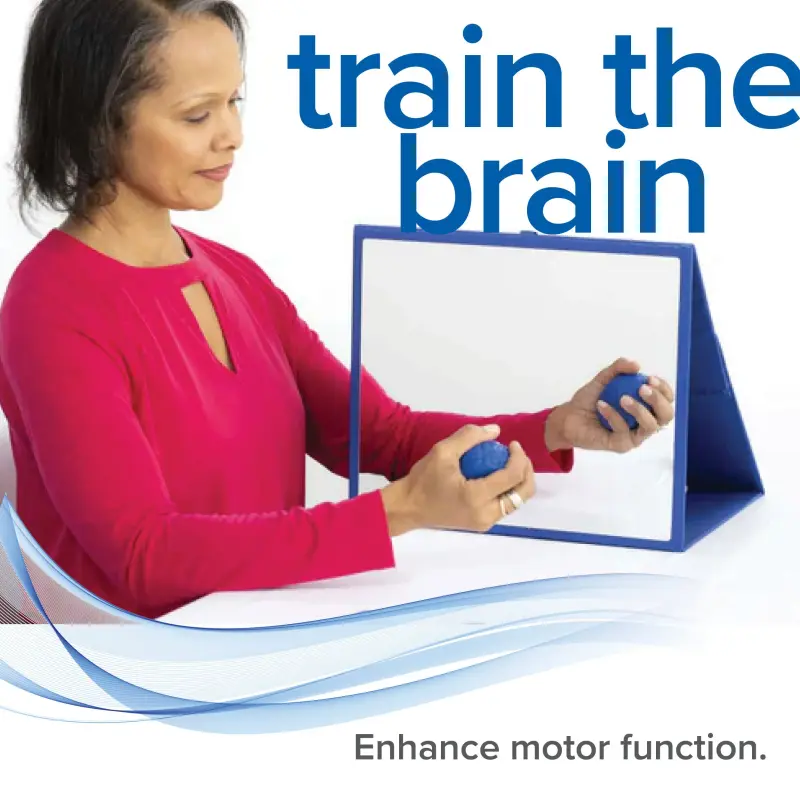
Mirror therapy and arm supports for training. Folding mirror box for mirror therapy: the unaffected hand moves in front of the mirror while the affected hand rests hidden behind it, so the user sees a reflection of normal movement.
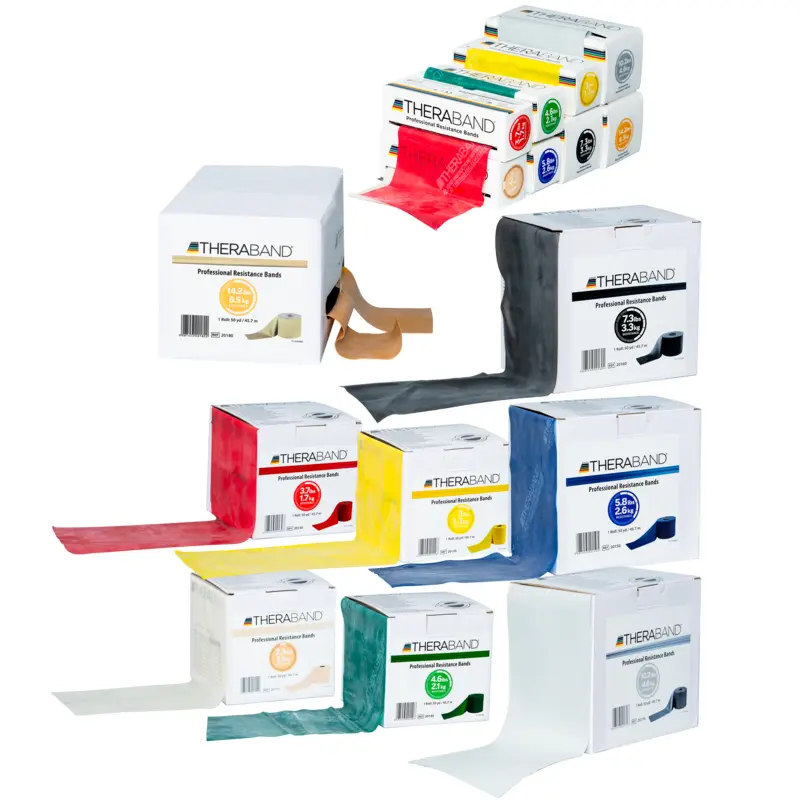
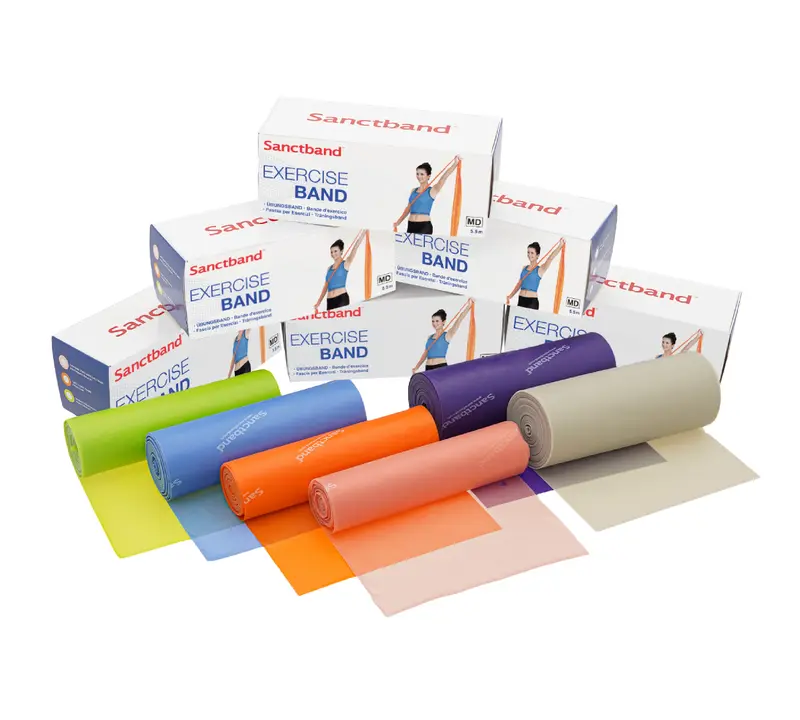
Resistance bands and tubing. Flat 6-inch-wide natural latex exercise bands in the colour-coded THERABAND resistance system, sold as dispenser boxes of 6, 50 or 100 yards to cut to length for each patient.
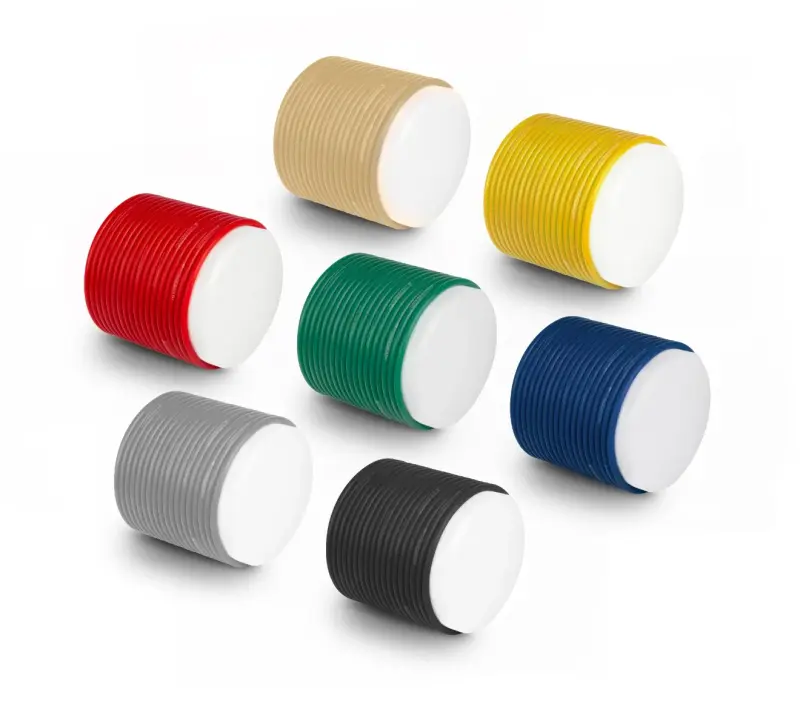
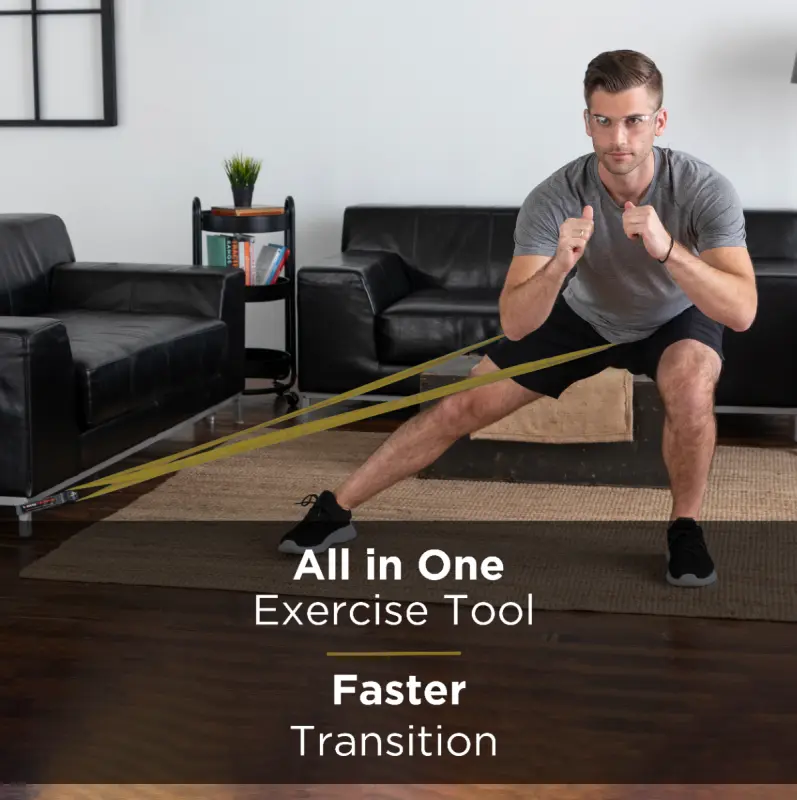
Resistance bands and tubing. Colour-coded natural latex exercise tubing in the THERABAND resistance system, used with door anchors or handles for upper- and lower-body exercises; versions with attached handles exist.
Resistance bands and tubing. Powder-free resistance band with a row of built-in loops that serve as hand or foot grips and anchors, so exercises need no knots or handles; marketed by the maker as latex-free.
Resistance bands and tubing. Colour-coded natural latex exercise band from a Malaysian maker of rubber resistance products; a separate latex-free version is offered with similar progressive resistance.
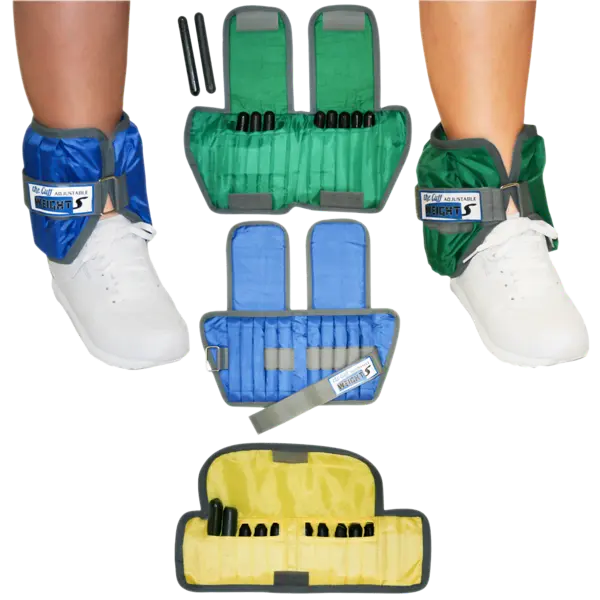
Cuff and hand weights. Strap-on wrist or ankle cuff whose load is changed by adding or removing small weight inserts; D-ring straps mean the user does not need to grip the weight.
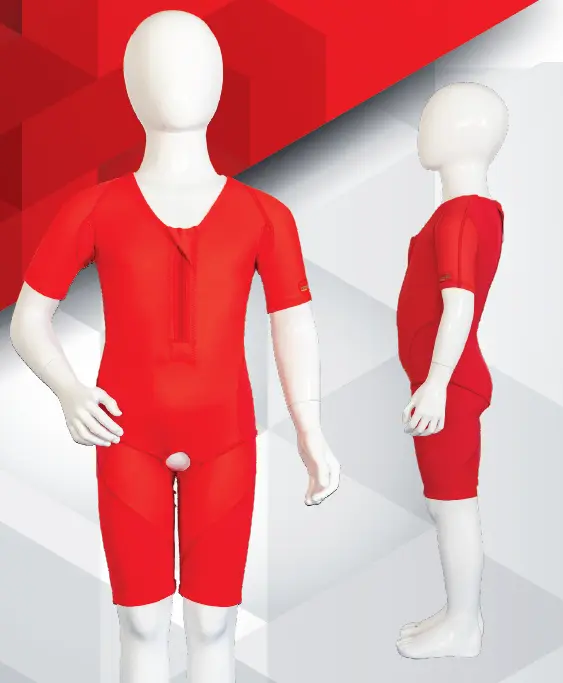
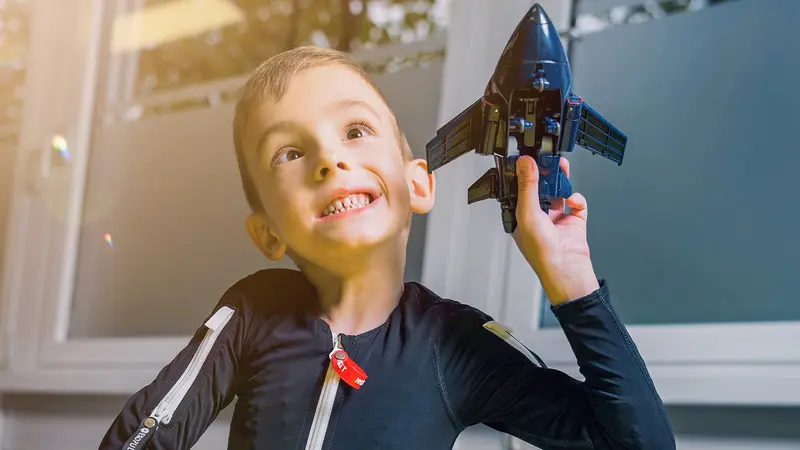
Therapy suits. Made-to-measure Lycra-type dynamic movement orthosis suit with reinforcement panels, worn under clothing to give stabilising support to the trunk, shoulders and pelvis; it is the maker's base suit and is often a child's first suit.
Therapy suits. Jacket-and-trousers suit with 58 built-in electrodes that deliver mild electrical stimulation across most of the body; the stimulation is set for each wearer and is meant to help relax spastic muscles.
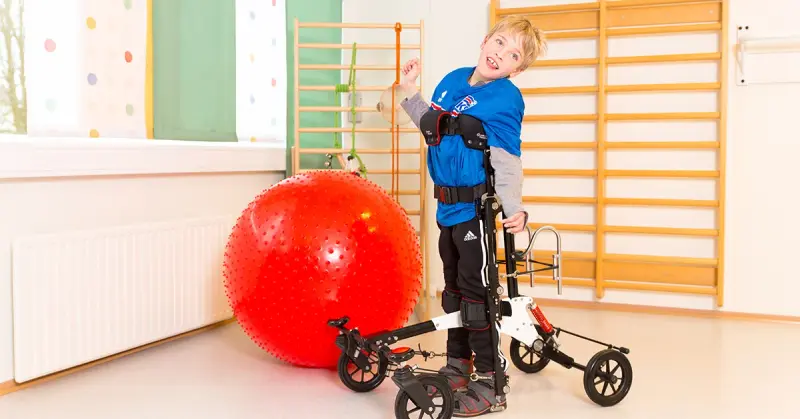
Paediatric gait trainers. Hands-free gait trainer with a brace system for the legs and body that holds the user upright and bearing weight through the feet, so children with very low motor function can stand and take steps.
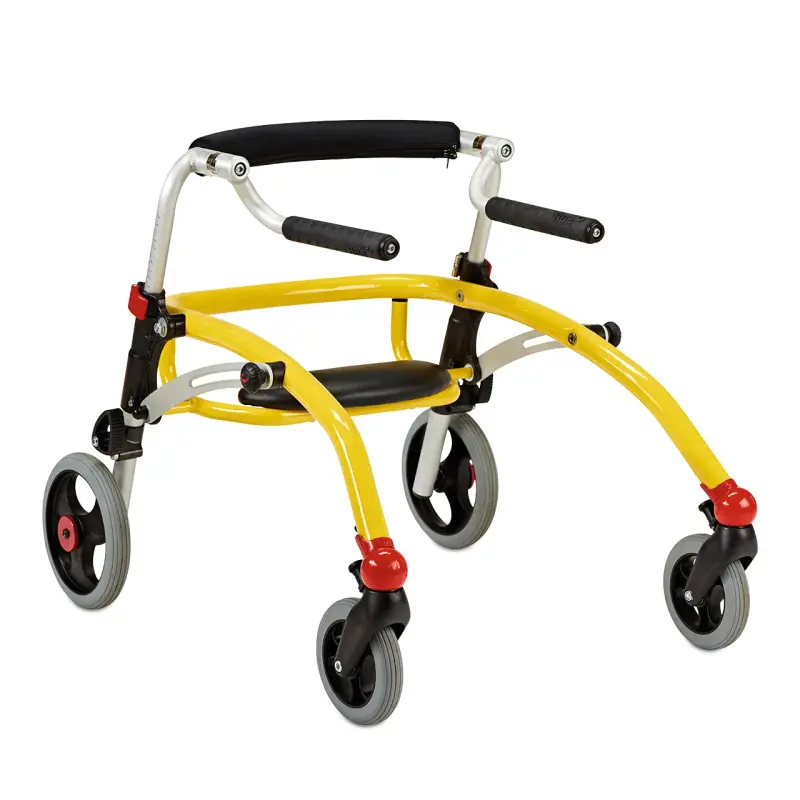
Paediatric gait trainers. Foldable posterior walker (frame behind the child) that can be set up as a gait trainer with accessories; seven sizes, with All-Terrain versions on larger wheels for outdoor ground.
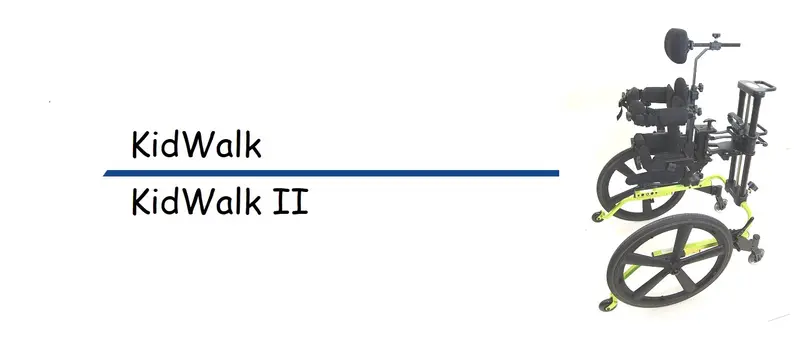
Paediatric gait trainers. Open-front, hands-free dynamic gait trainer whose trunk and pelvic supports move up and down and side to side with the child; large mid-mounted wheels and a spring-loaded weight-relief seat.
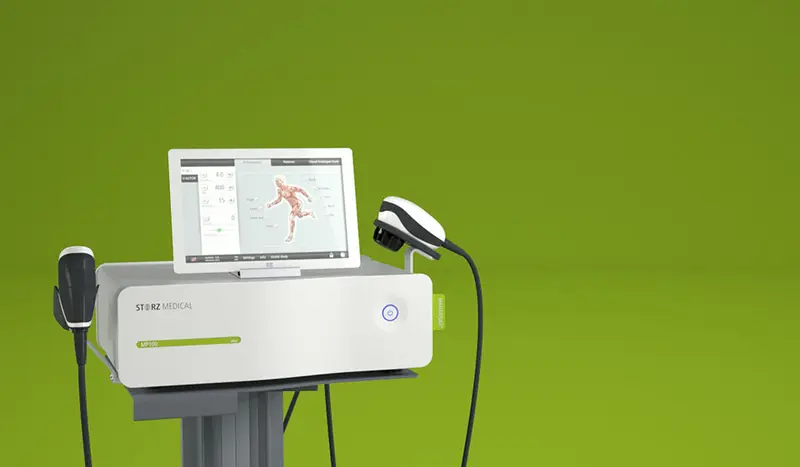
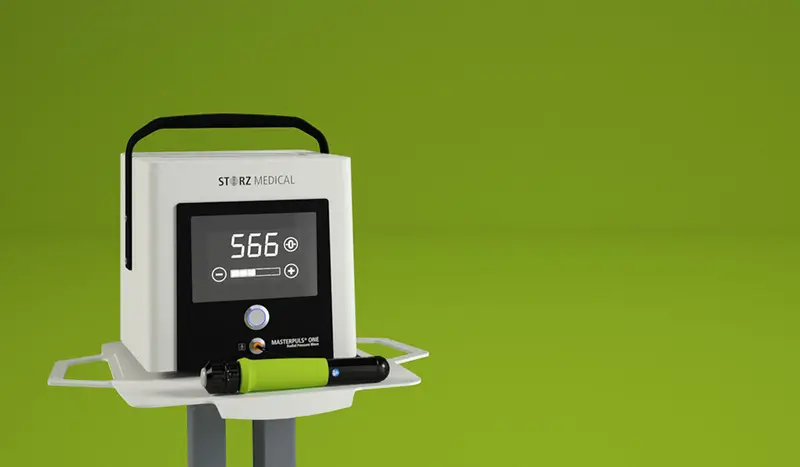
Shockwave therapy (ESWT). Clinic radial pressure-wave (radial shockwave) unit with a built-in compressor; the top model of the MASTERPULS »ultra« line, combining radial shockwave, optional V-ACTOR vibration and VACU-ACTOR vacuum therapy. All main controls sit on the FALCON handpiece display.
Shockwave therapy (ESWT). Compact, lower-priced radial pressure-wave unit that the maker positions as a starter model or add-on; uses the light SPARROW handpiece, which the user can service, and snap-in transmitters.
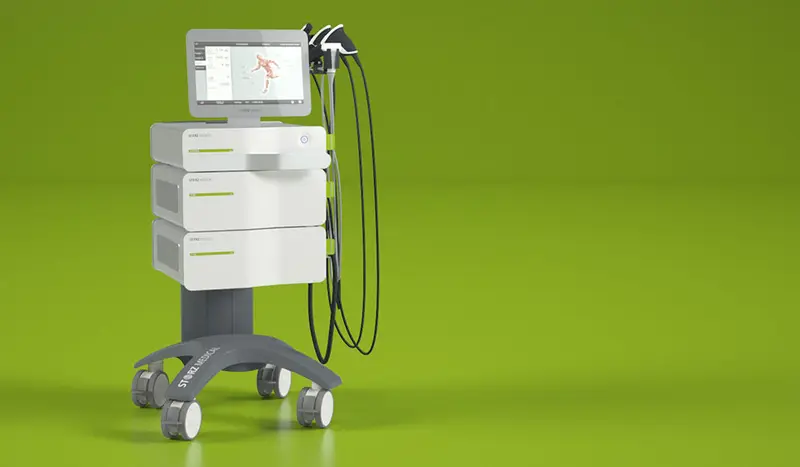
Shockwave therapy (ESWT). Modular clinic shockwave system on a tower trolley that can combine focused shockwave (SEPIA handpiece), radial shockwave (FALCON handpiece) and optional diagnostic ultrasound imaging with colour Doppler in one unit. This card covers the orthopaedic configuration.
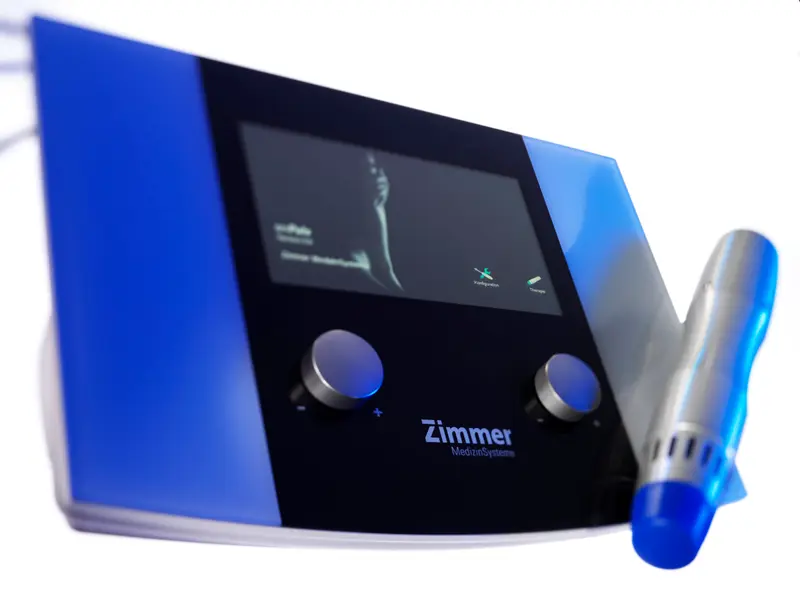
Shockwave therapy (ESWT). Portable radial shockwave unit without a compressor: an electromagnetic generator in the handpiece fires the projectile. The whole system with accessories fits in an aluminium carrying case.
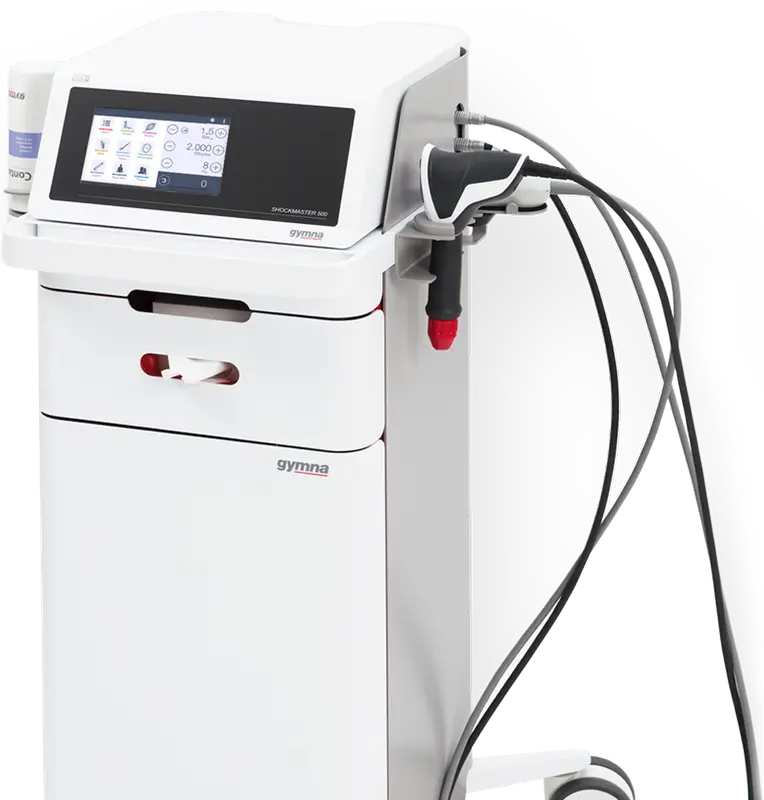
Shockwave therapy (ESWT). Clinic radial shockwave unit on an aluminium trolley with a built-in oil compressor, two handpiece outputs and Gymna's patient Guided Therapy System (pGTS), which sets the treatment level from the patient's reported condition.
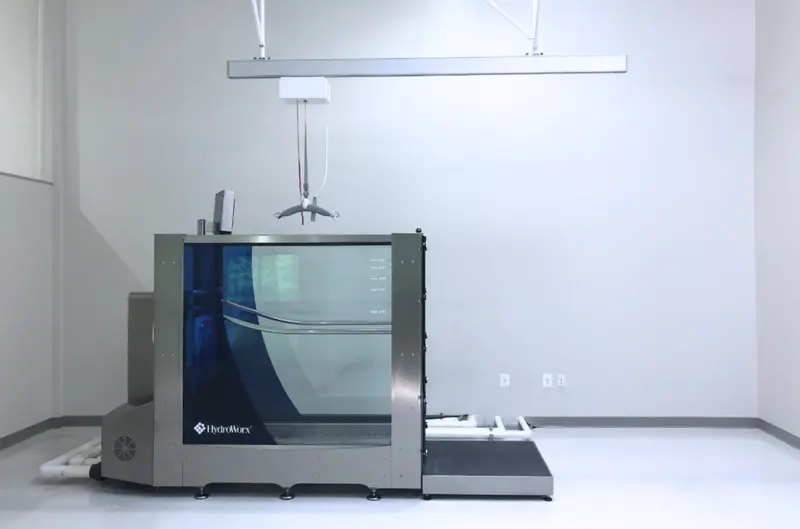
Underwater treadmills. Freestanding underwater treadmill chamber in marine-grade stainless steel and tempered glass that fits through a standard 36 in doorway. It combines a 0-10 mph treadmill, water depth up to 56 in and a resistance jet with massage hose, with its own water tanks and filtration.
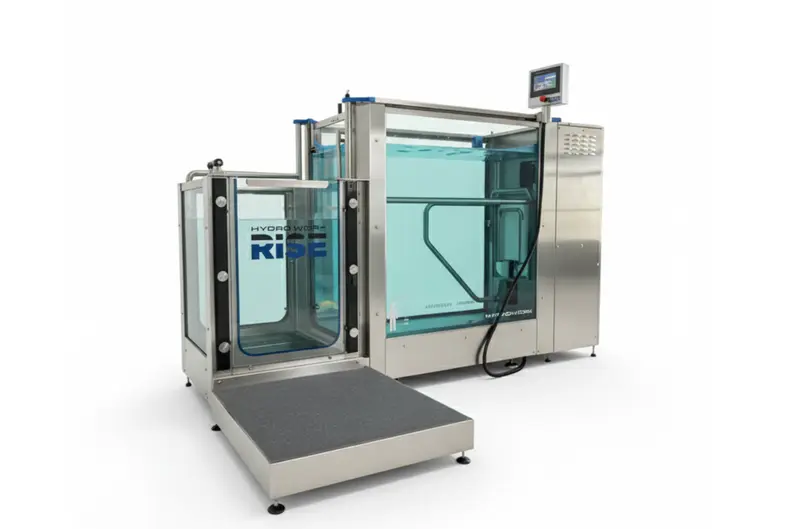
Underwater treadmills. Modular, self-contained underwater treadmill unit that needs no external plumbing, with a choice of door position for fitting into existing rooms. It has a fold-down seat, front and side handrails and a resistance jet with massage hose.
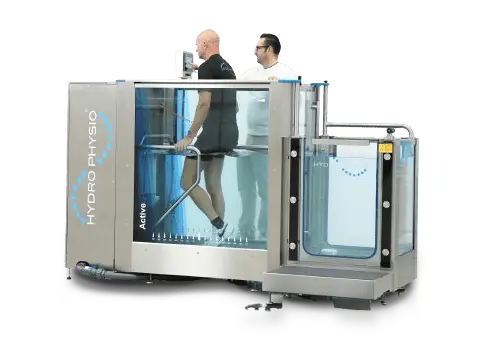
Underwater treadmills. Self-contained, modular underwater treadmill from the human division of Hydro Physio, made in Shropshire, with built-in water treatment and storage, glass observation windows and an entry foyer with outward-opening door. It is controlled from a 7 in touchscreen or a phone or tablet.
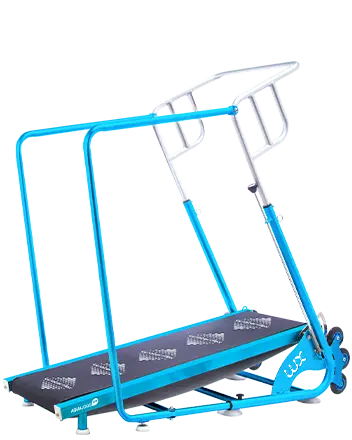
Underwater treadmills. Folding aquatic treadmill with hydraulic resistance that is placed in an ordinary pool. The anodised aluminium frame has removable side bars for rehabilitation work and silicone wheels for moving it in and out of the water.
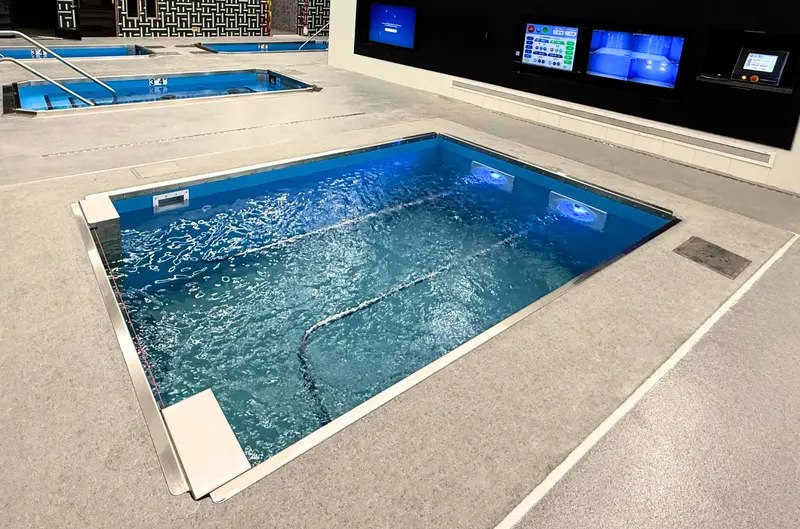
Hydrotherapy pools and tanks. Built-in aquatic therapy pool with a zero-entry movable floor that lowers patients from deck level to any depth up to 6 ft; the floor itself is a variable-speed treadmill. It comes with two resistance jets with massage hoses and up to five underwater cameras.
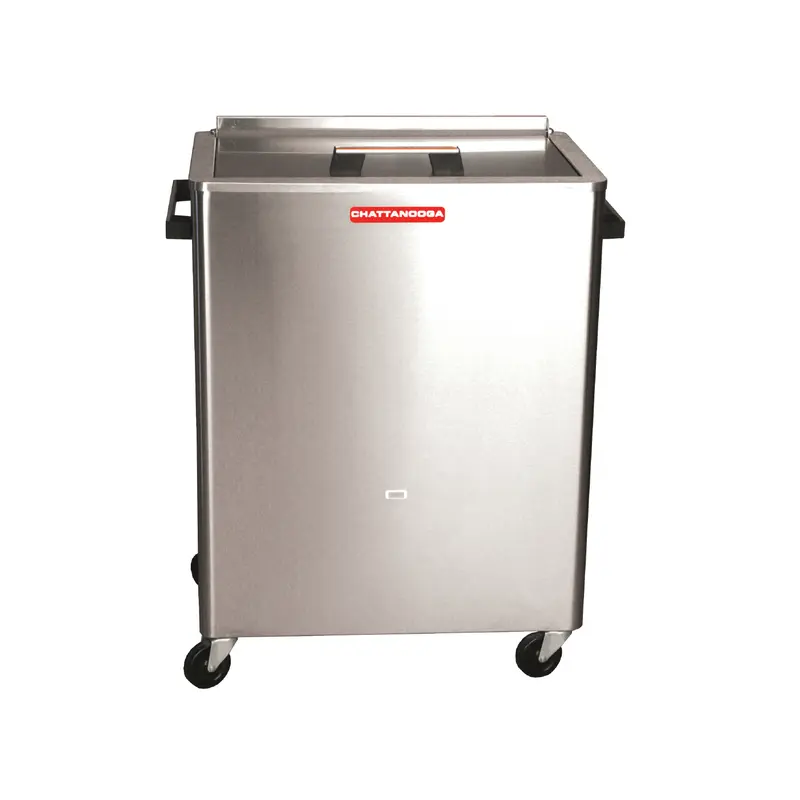
Hot pack heaters and hot packs. Mobile stainless-steel water tank that heats Hydrocollator moist-heat HotPacs and holds them at a steady temperature; plugs into a wall socket with no plumbing and rolls on swivel casters. Supplied with 12 standard HotPacs.
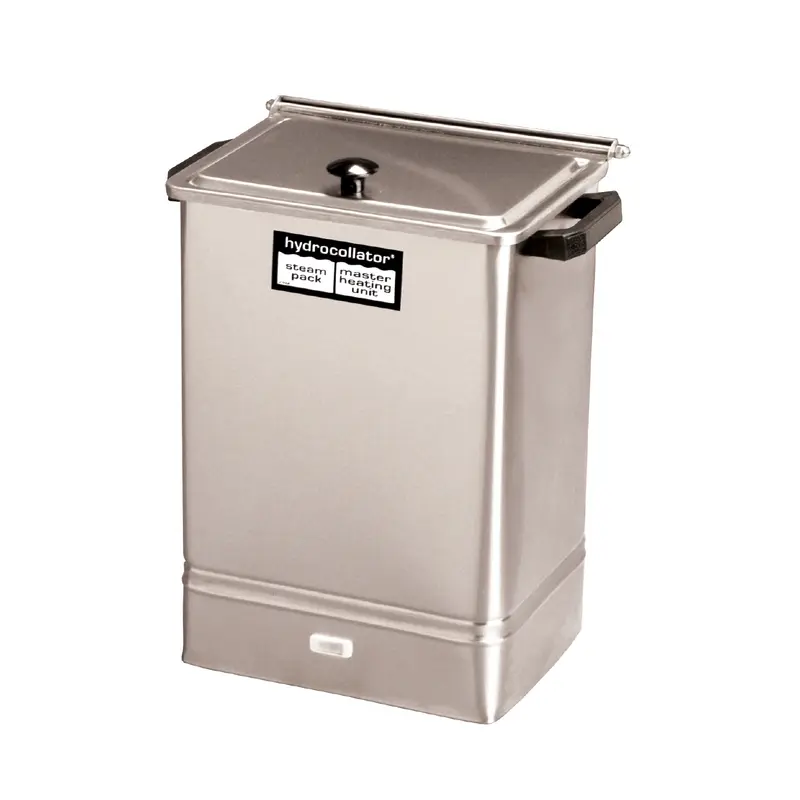
Hot pack heaters and hot packs. Countertop Hydrocollator, smaller than the E-2: a stainless-steel tank that heats and holds four standard moist-heat HotPacs, for small clinics or a single treatment room. Fill with water and plug in.
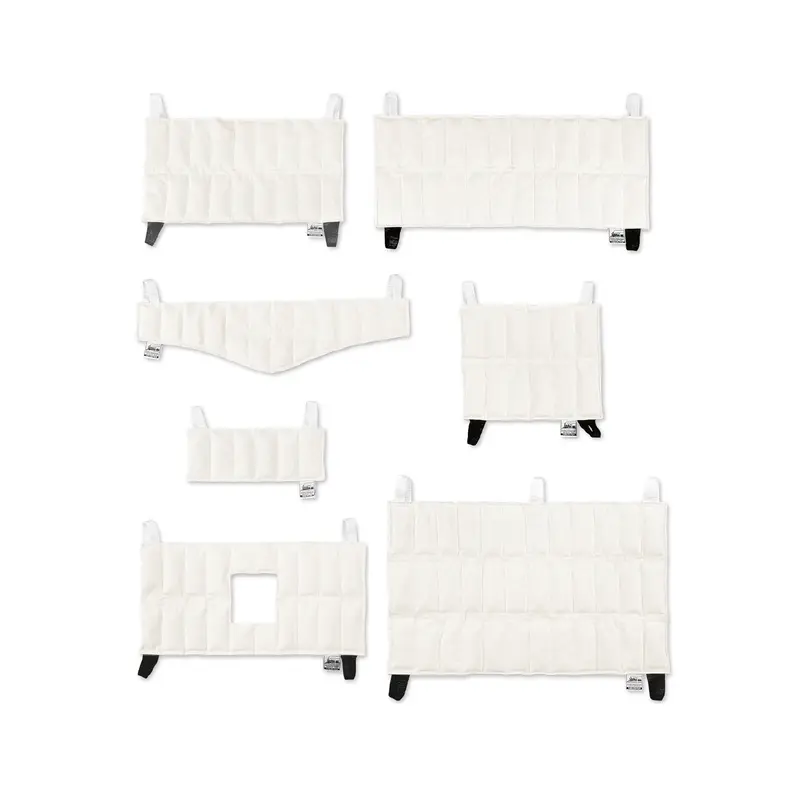
Hot pack heaters and hot packs. Reusable moist-heat pack filled with bentonite in a woven cotton-blend cover, heated in a Hydrocollator heating unit. Made in eight shapes and sizes for different body areas.
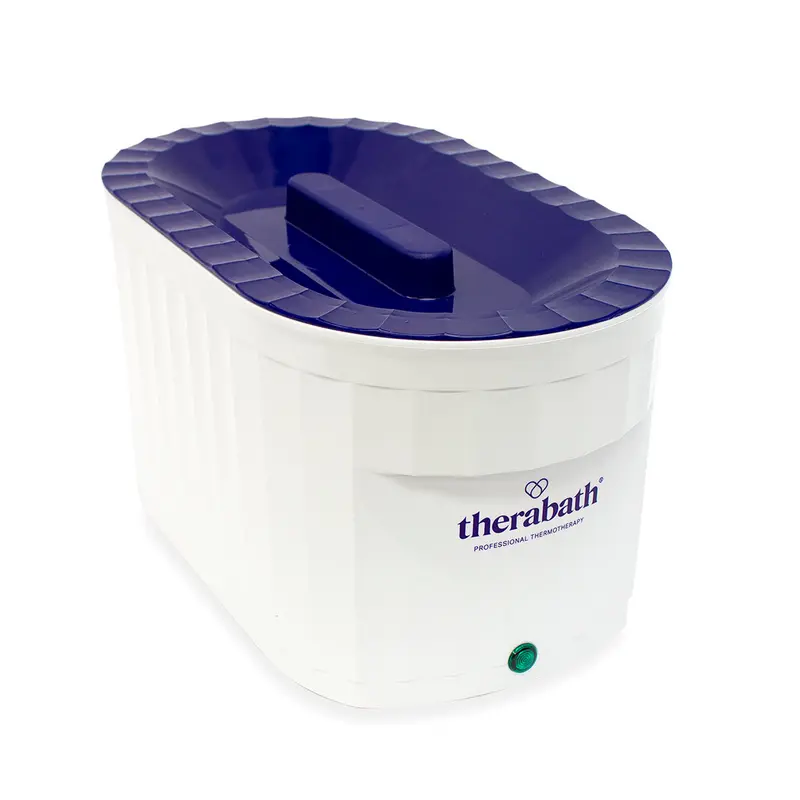
Paraffin baths and wax. Portable paraffin wax bath for dipping hands, feet or elbows in warm wax; two internal thermostats keep the wax in a fixed 52-57 C range and the unit can stay on all day. US 100-125 V model, supplied with 6 lb of wax.
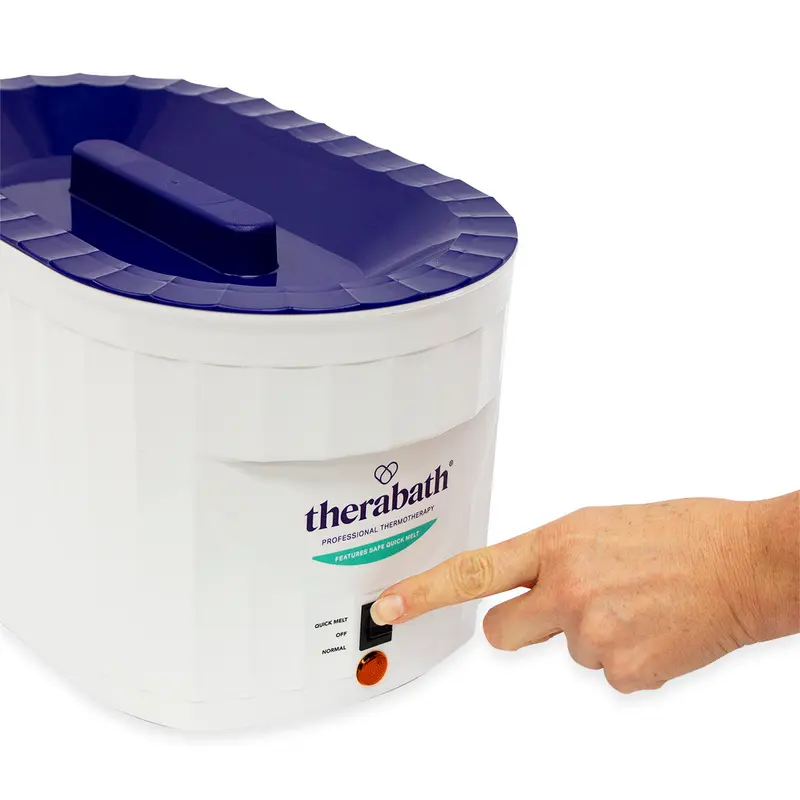
Paraffin baths and wax. 220-240 V version of Therabath's adjustable paraffin bath with a Quick Melt setting that melts wax in about half the time while staying in a safe dipping range. Sold with a plug for Europe, UK/Ireland, Australia/NZ or India/South Africa.
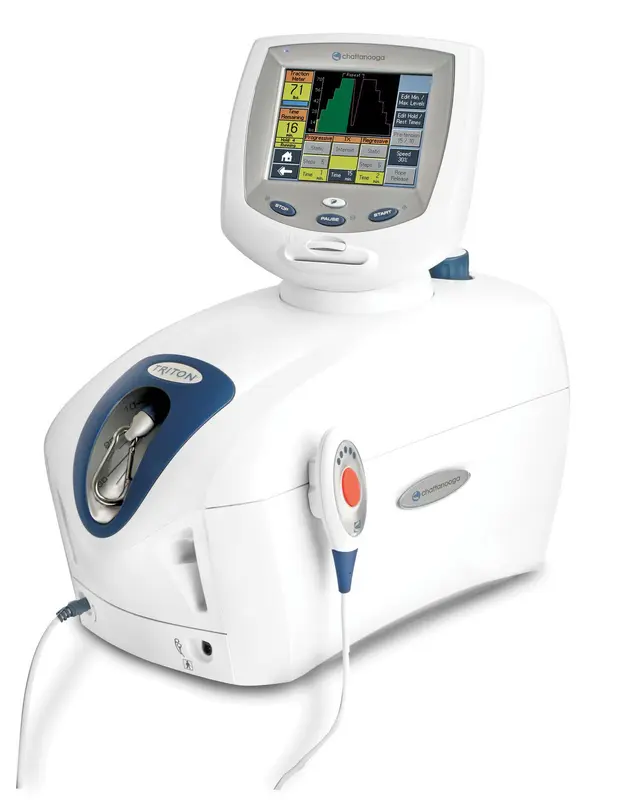
Cervical and lumbar traction units. Clinic traction head for cervical and lumbar traction that mounts on a traction table; it has five DTS pull patterns, static, intermittent and cycling modes, a colour touch screen and a surface EMG module that can start the pull when the patient relaxes.
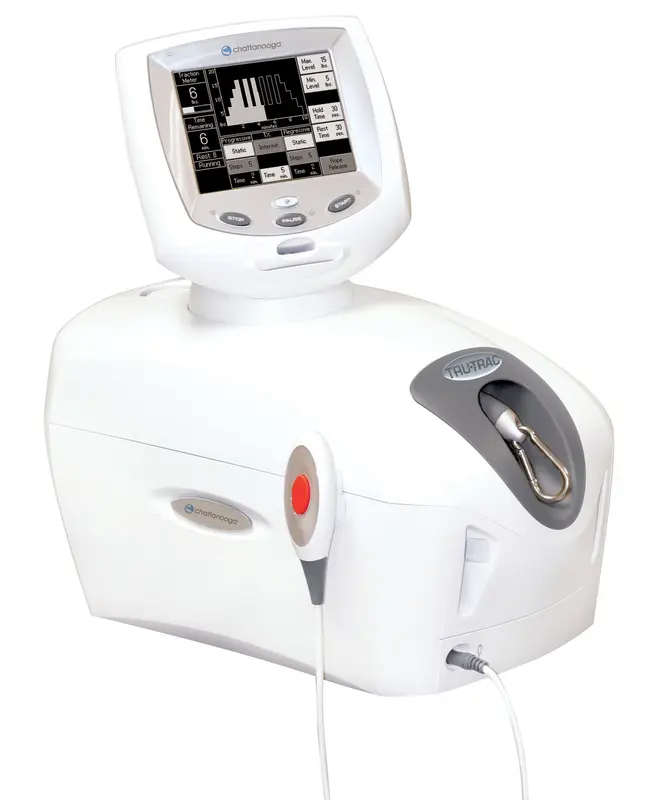
Cervical and lumbar traction units. Simpler Chattanooga traction head for cervical and lumbar traction on a table, with static, intermittent and cycling modes and a monochrome touch screen that pivots 270 degrees.
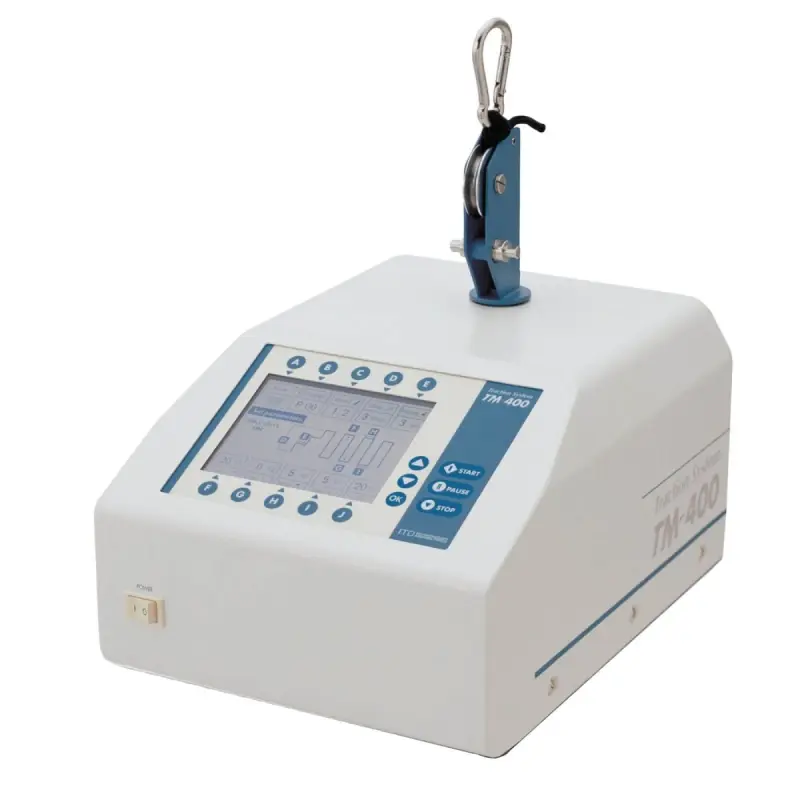
Cervical and lumbar traction units. Japanese-made powered traction head for cervical and lumbar traction with eight traction modes, including stepped progressive and regressive, and a graphic display; parameters can be changed during a session.
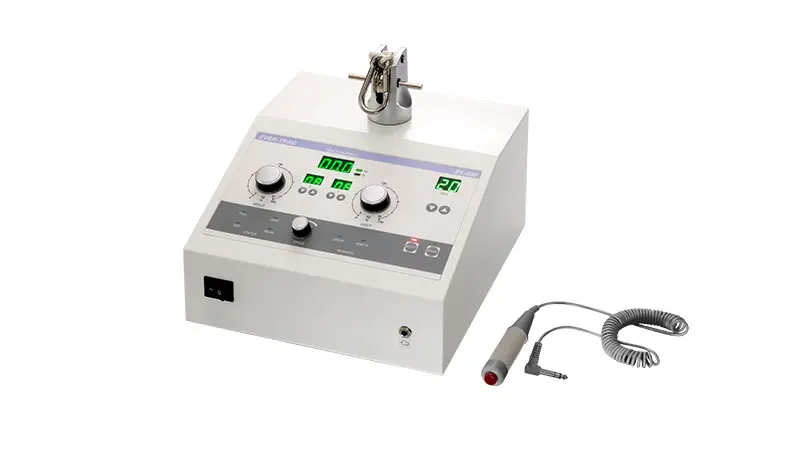
Cervical and lumbar traction units. Taiwanese traction head with knob controls for force, hold and rest time instead of a touch screen; settings take effect on the next cycle, and a patient safety switch stops treatment.
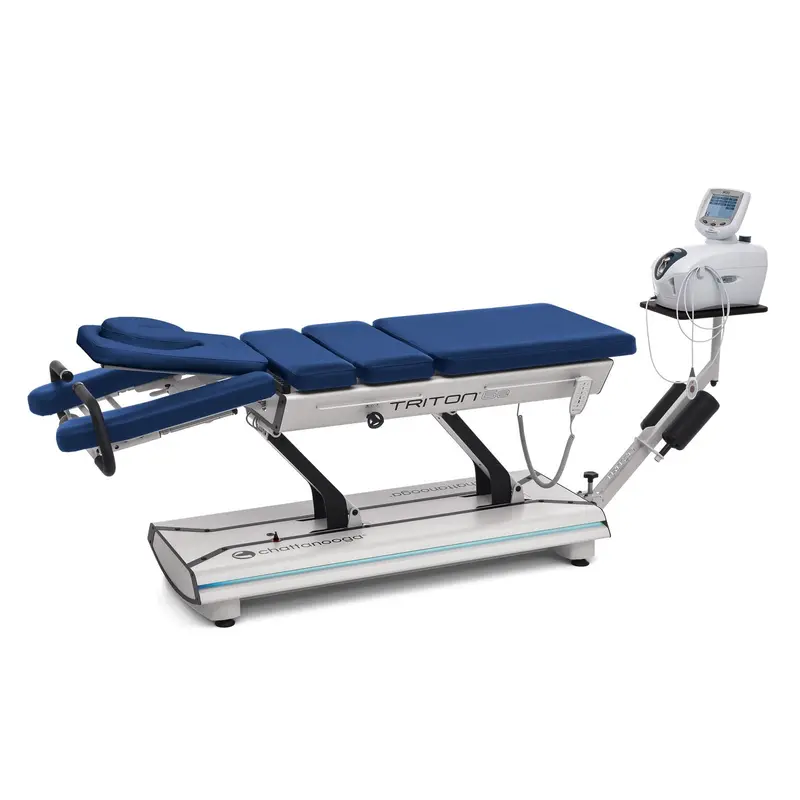
Traction tables and home traction devices. Six-section fully electric traction table with six actuators, a hand remote, electric pelvic tilt and head-piece positioning, heated cushions, LED frame lighting and fold-away grab bars; used with a Triton traction unit for cervical and lumbar traction.
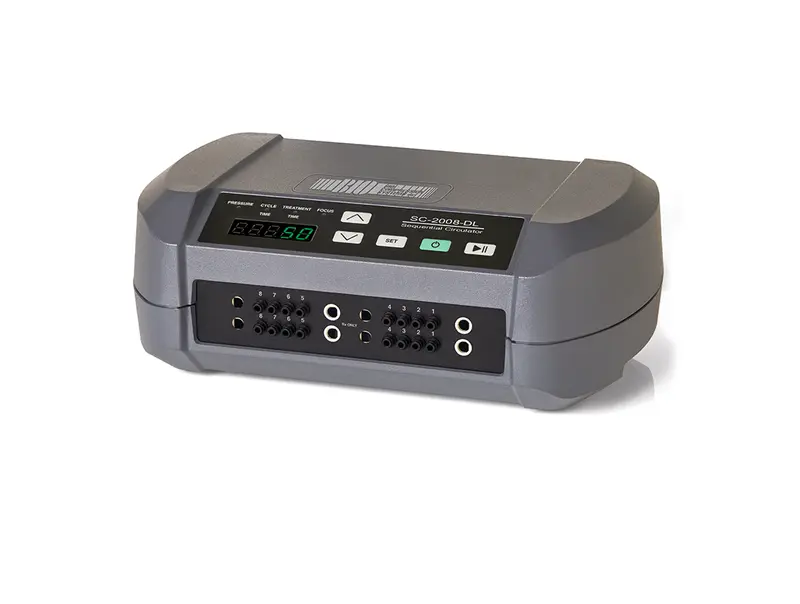
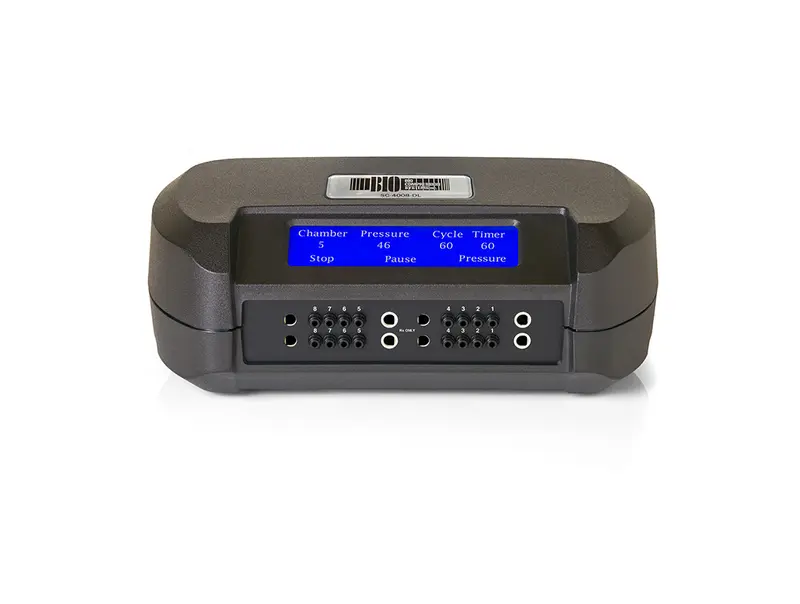
Intermittent pneumatic compression pumps. Eight-chamber digital sequential compression pump for home lymphoedema and venous treatment, usable on one limb or both, with adjustable pressure and cycle time, a countdown timer or continuous mode, focus therapy and a compliance meter.
Intermittent pneumatic compression pumps. Eight-chamber sequential compression pump with a touch-screen LCD and pressure set in every chamber, plus a pre-therapy mode, focus therapy, timer and compliance meter; one or both limbs.
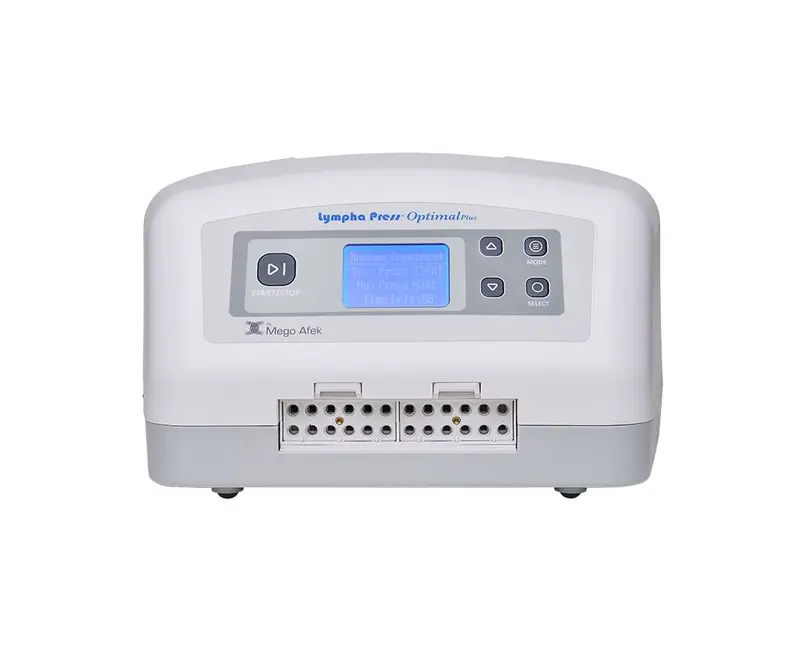
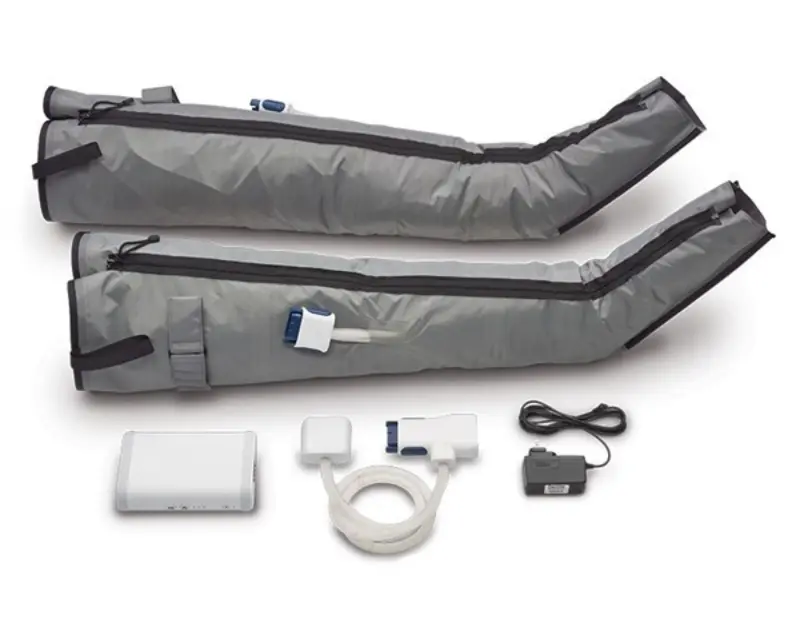
Intermittent pneumatic compression pumps. Home sequential compression pump for 12- or 24-chamber Lympha Press garments, with calibrated gradient pressure set per chamber, four therapy modes including a proximal-first Pretherapy cycle, and Bluetooth control from a phone or tablet app.
Intermittent pneumatic compression pumps. Small, light home compression pump with an eight-chamber full-leg, half-leg or arm garment, one 60-minute program, three pressure settings and active deflation so the garment comes off quickly.
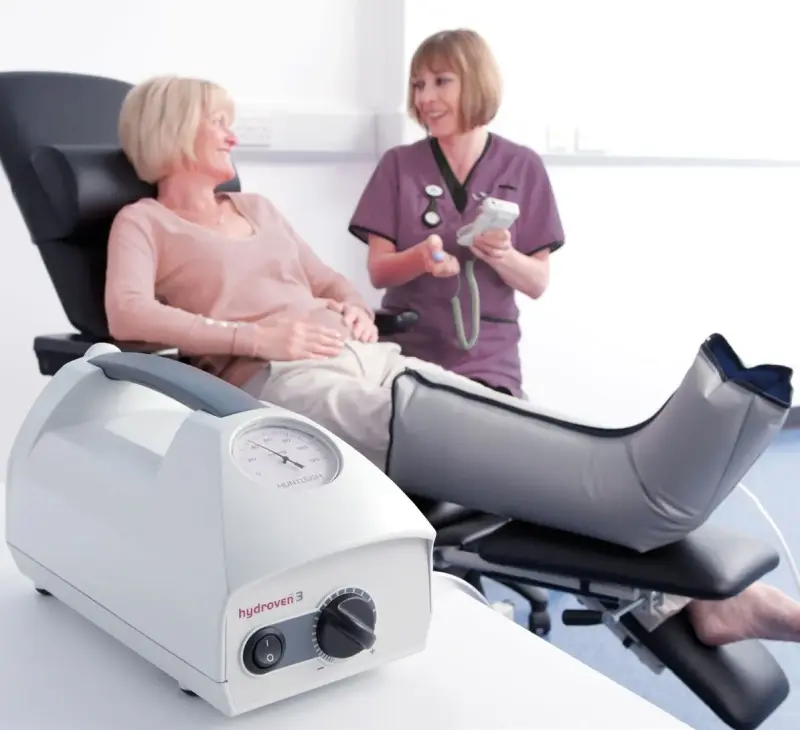
Intermittent pneumatic compression pumps. Lightweight intermittent pneumatic compression pump that drives either single-chamber or three-chamber graduated arm and leg garments, one or two at a time, with preset cycle times and a pressure dial.
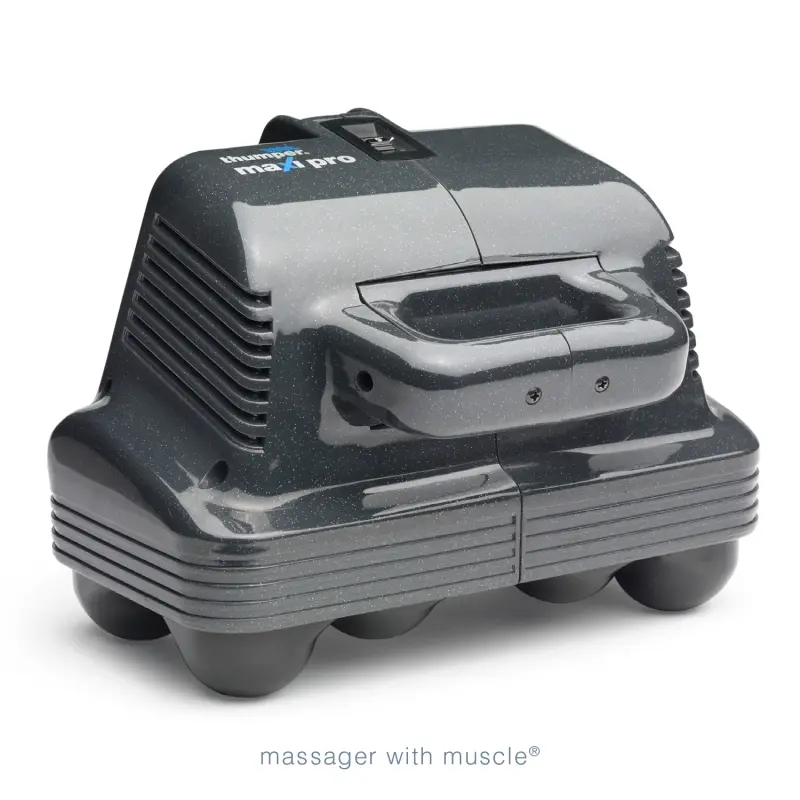
Percussion massagers. Corded professional percussion massager with a multi-head base that is moved over the body with a two-handle grip rather than held like a gun; the massage heads are built in, so no attachments are needed. The maker says it delivers a full-body massage in five to eight minutes and is used by chiropractors and other practitioners.
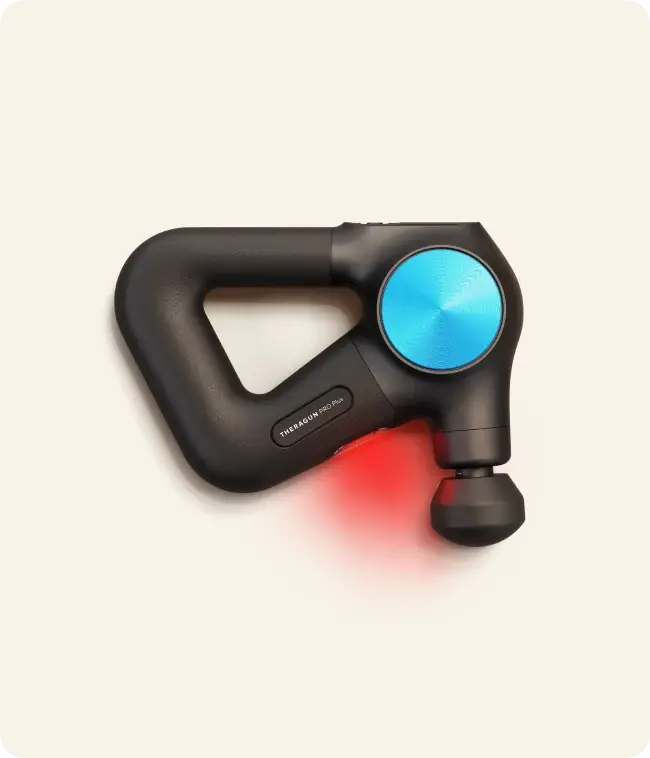
Percussion massagers. Cordless percussion massage gun that combines percussion with built-in near-infrared LED light, a heated attachment and a vibration attachment (a cold attachment is sold separately). It has an LCD screen with guided routines, five speeds, a built-in heart-rate sensor and Bluetooth control from the Therabody app.
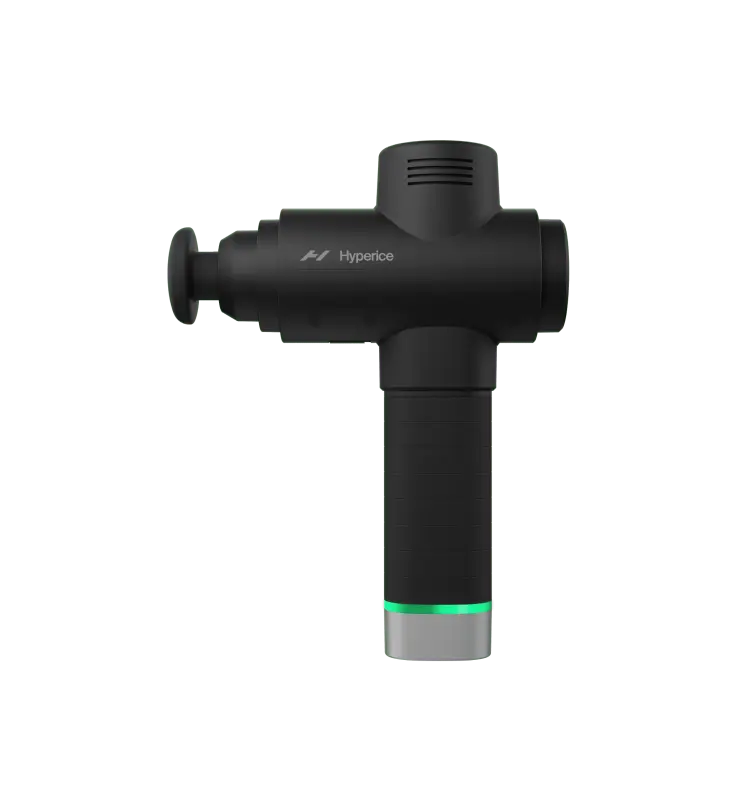
Percussion massagers. Cordless percussion massage gun with a brushless 90 W motor, five percussion speeds set with a digital dial, a pressure sensor that shows how hard you are pressing, and Bluetooth guided routines in the Hyperice app. Comes with five head attachments.
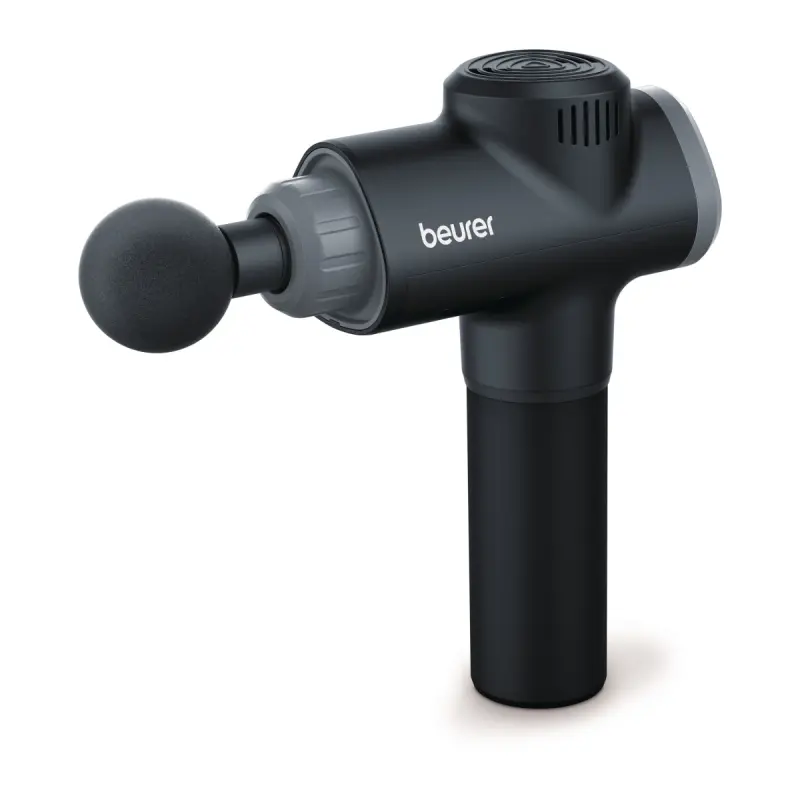
Percussion massagers. Home-use cordless massage gun for trigger-point massage with four intensity levels, 10 mm amplitude and six interchangeable attachments; LED lights show battery and intensity. Beurer states it is not a medical device in Europe.
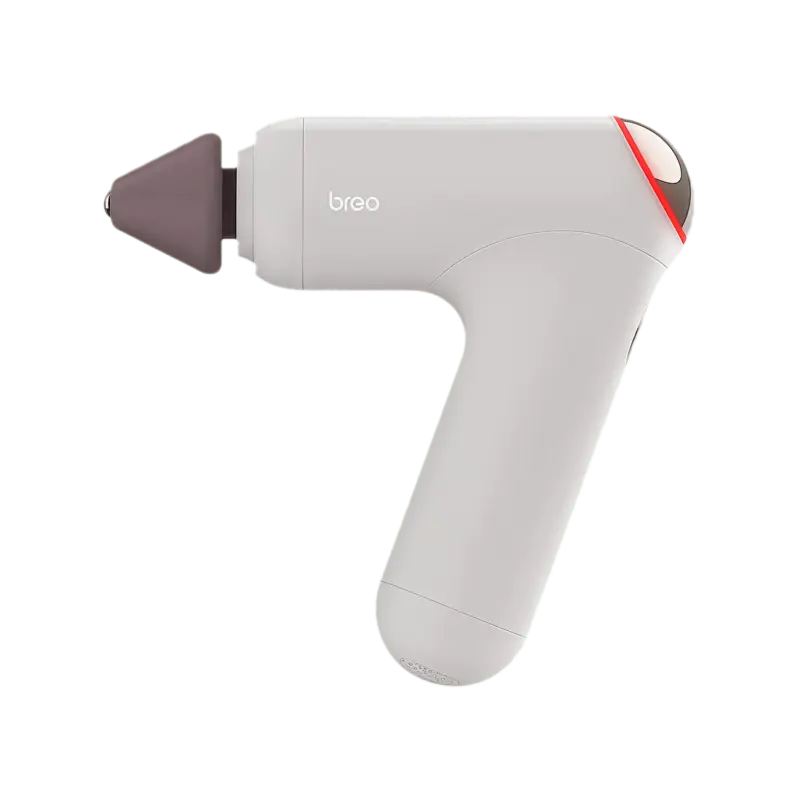
Percussion massagers. Compact, 7-shaped cordless massage gun weighing under 1 lb, with three speeds, three silicone heads and a copper heating head on the back that warms to about 40-45 °C. Made for home use and travel.
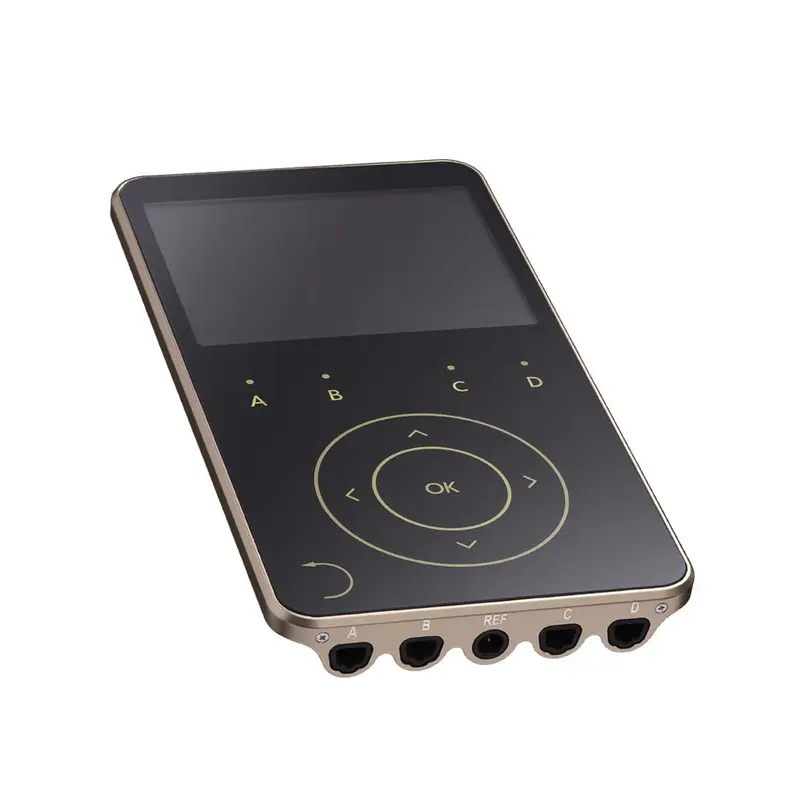
EMG and pressure biofeedback. Portable, rechargeable unit that combines two channels of surface EMG biofeedback with four channels of electrical stimulation, including EMG-triggered stimulation. It runs on its own, from an Android tablet app over Bluetooth, or from Windows software.
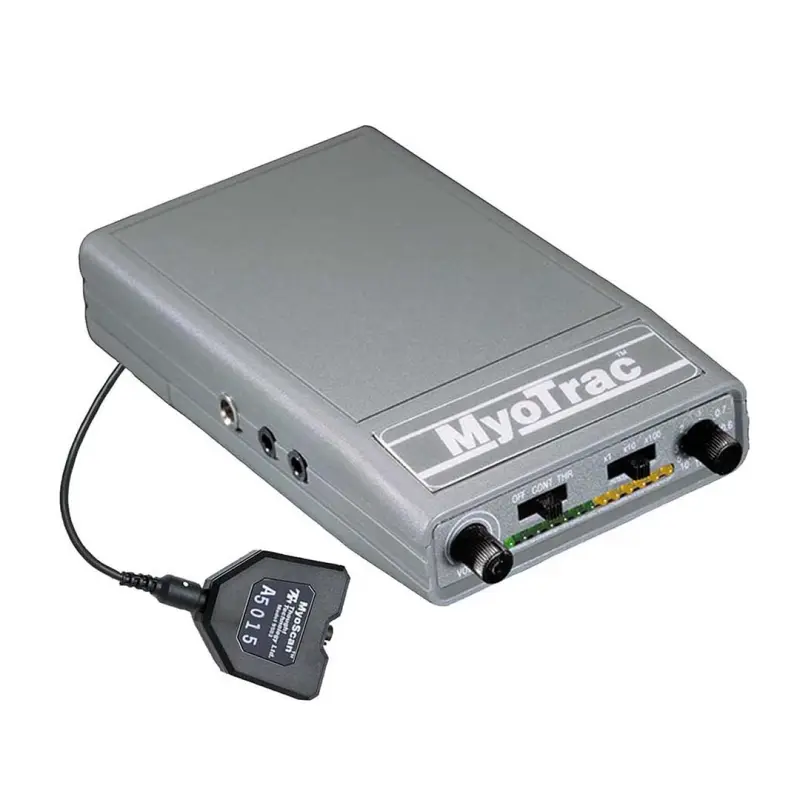
EMG and pressure biofeedback. Small single-channel surface EMG monitor with a 13-segment light bar and tone feedback, used for muscle re-education and relaxation training in the clinic or at home. Its active MyoScan sensor needs no skin preparation.
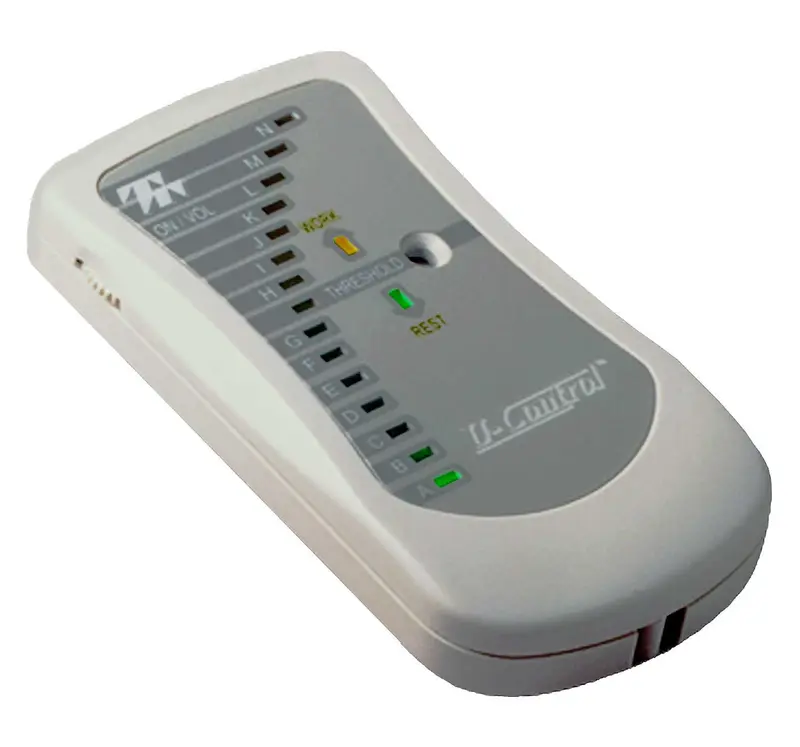
EMG and pressure biofeedback. Battery-powered single-channel EMG home trainer for pelvic floor muscle exercises, used with a vaginal, rectal or surface sensor. Lights cue the user to tense or relax and a 15-LED bar and tone show muscle activity.
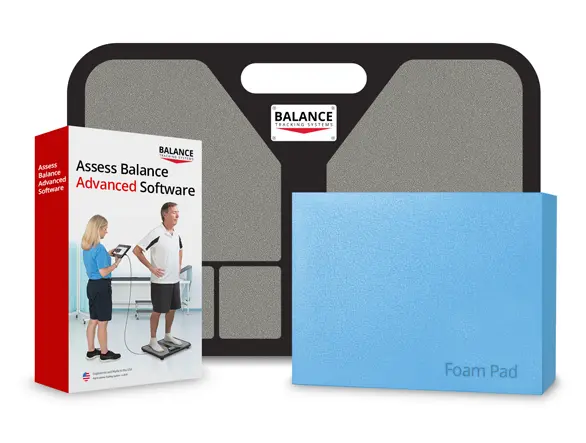
Balance assessment systems. Portable force plate that measures centre of pressure and postural sway while standing, sold with software holding 7 balance tests and 7 training protocols and a foam pad. It is powered from the computer's USB port.
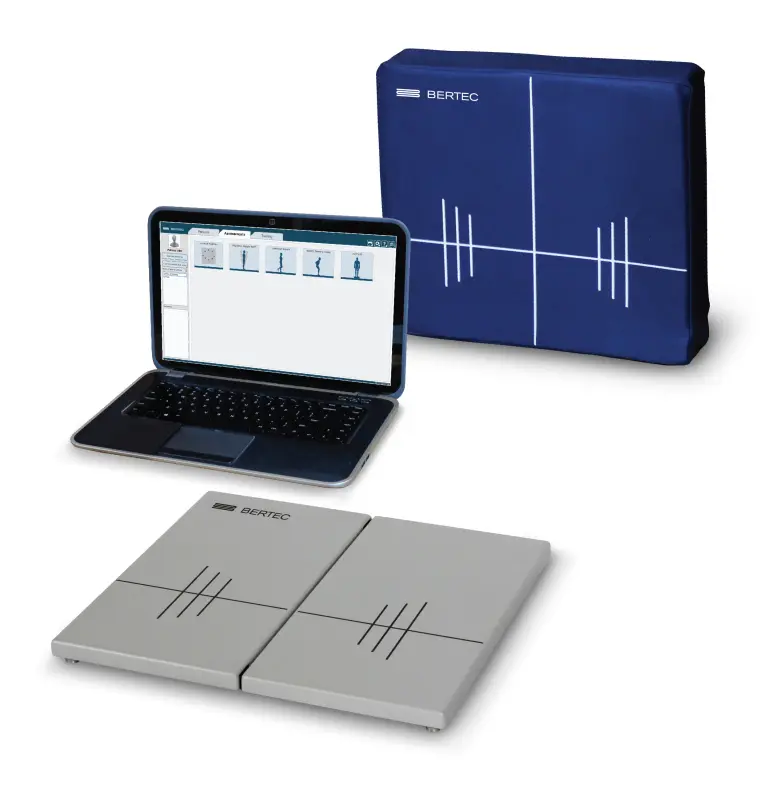
Balance assessment systems. Portable balance assessment system built on a low dual-balance force plate that reads left and right foot loads separately, with Balance Advantage software, a touchscreen laptop and a foam pad. It covers standard static balance tests, weight shifting and biofeedback training menus.
Price on request
Max user 227 kg
How to choose
Start from the treatment or exercise the therapist has set, then pick the device that does it, not the other way round.
For mains-powered equipment check the voltage and plug for your country before ordering; some models come in separate 110-120 V and 220-240 V versions.
Ask about room size, floor load, water supply and delivery for large items such as hydrotherapy pools, underwater treadmills, tilt tables and traction tables.
Count running costs: electrodes, ultrasound gel, paraffin wax, garments for compression pumps and service of shockwave handpieces.
Check whether the device is sold for home use or only to clinics and professionals; this is stated on each product page.
Common questions
Can I buy this equipment for home use?
Many items are sold for home use, such as pedal exercisers, TENS units, home compression pumps, home traction devices, paraffin baths and massage guns. Some makers sell only to clinics or on prescription; this is stated on each product page.
Do you deliver large clinic equipment?
Yes. Large items such as pools, whirlpools, traction tables and tilt tables travel by freight, and the quote states the delivery cost and time to your address before you pay.
Who decides which device and settings are right for me?
A physiotherapist, occupational therapist or doctor. We find, buy and deliver the device they recommend; we do not choose treatment or settings.