Wheelchair belts and harnesses
Last updated: 5 October 2026 · Total: 5 products
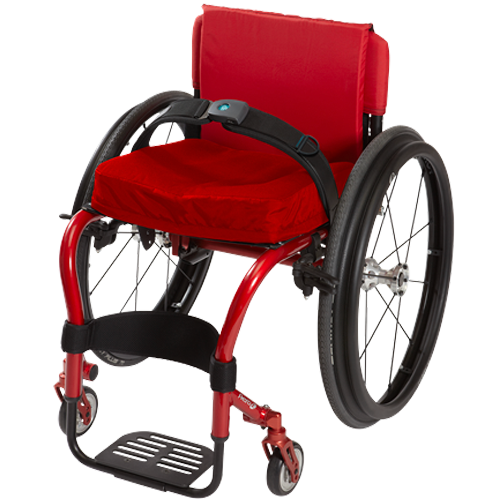
Positioning belts hold the body in the place where the seating works best. Pelvic belts such as the Bodypoint Evoflex and the 2-point Quad Belt with DuraLatch cross the hips to stop the pelvis sliding forward, and they come with two or four attachment points and buckles suited to different hand function. Chest and shoulder harnesses, like the Bodypoint Stayflex Chest Support and PivotFit Shoulder Harness, steady the upper trunk for people who fall forward. These are postural aids and are different from crash-tested restraints for travel in a vehicle.
5 products
Filter and sort these productsPrice on request
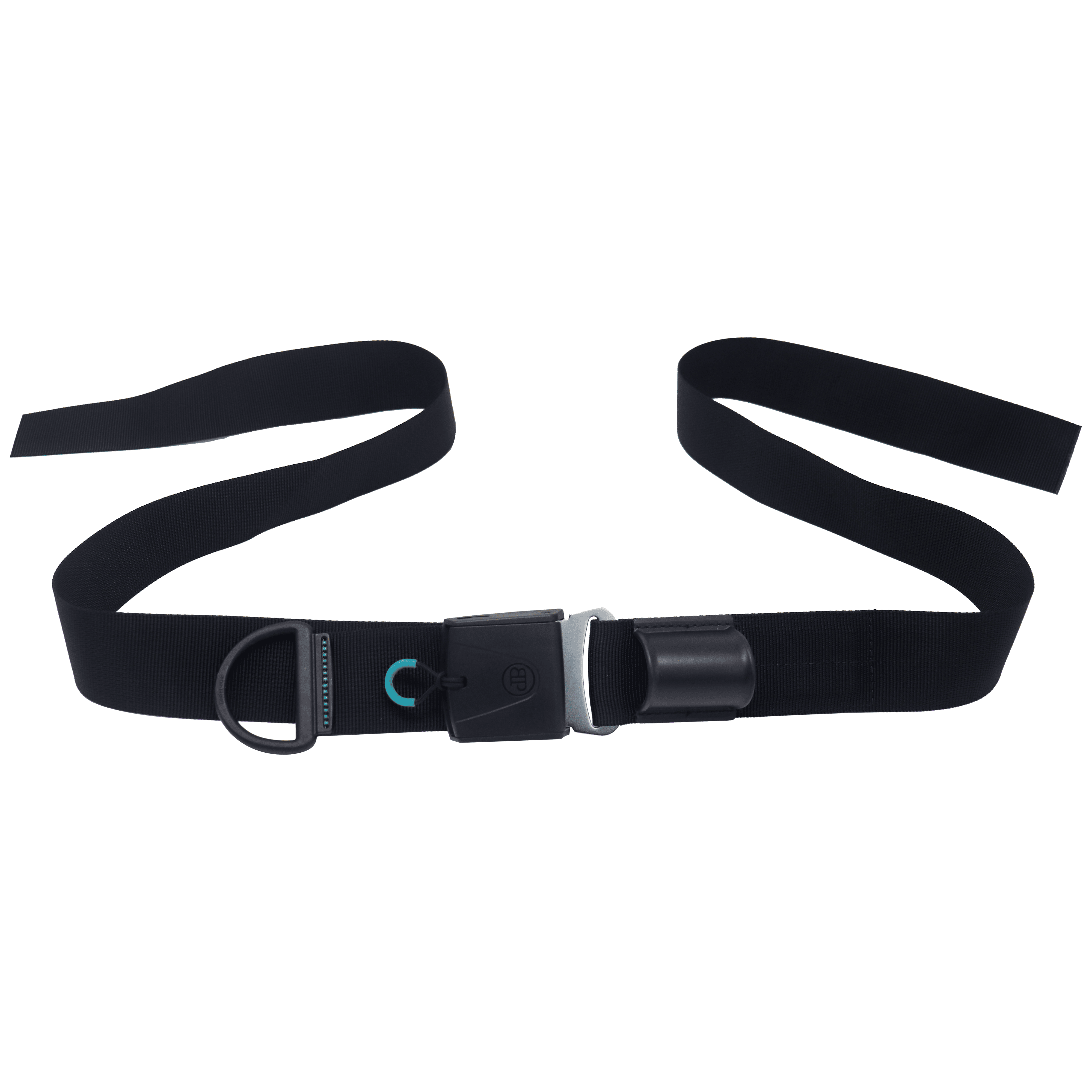
2-point Quad Belt with DuraLatch
Pelvic belts. Two-point positioning belt whose latch can be worked with limited or no hand function.
Price on request
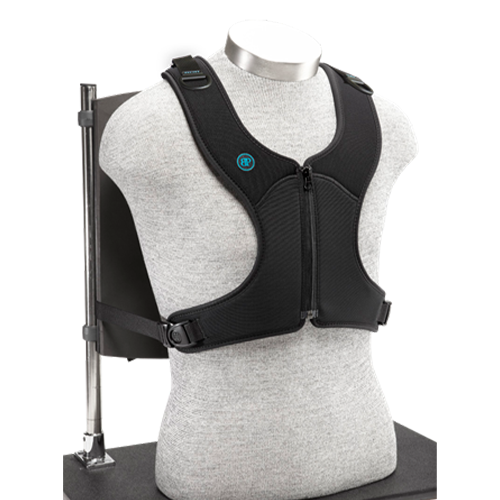
Stayflex Chest Support
Chest and shoulder harnesses. Chest support giving firm trunk control while leaving the shoulders freer than a shoulder harness.
Price on request
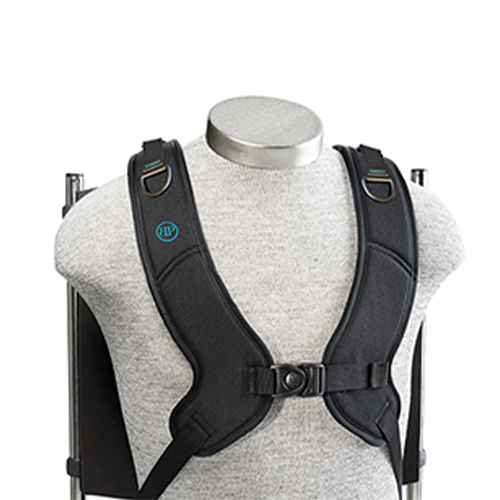
PivotFit Shoulder Harness
Chest and shoulder harnesses. Four-point shoulder harness in Bodypoint's upper-body support range.
£63.83 ex tax (EPC Wheelchairs, UK)
Ratchet Style Positioning Seat Belt
Pelvic belts. Ratcheting hip strap with a 10 inch pad that fixes to the chair with heavy-duty cable ties.

How to choose
- Choose the buckle by who opens it: large push-buttons for weak hands, covered releases where accidental opening is a risk.
- A four-point pelvic belt resists rotation and sliding better than a two-point belt, but takes longer to fit.
- Size the belt over normal clothing and check that the pads sit on the pelvis, not the abdomen.
- Have a therapist confirm the mounting position, since the angle of pull decides how well a belt works.
Common questions
Is a wheelchair positioning belt a seat belt?
Not in the road safety sense. A positioning belt supports posture in the chair. For travel in a vehicle, the occupant needs a separate crash-tested restraint anchored to the vehicle, unless the maker states otherwise.
What is the difference between a 2-point and a 4-point pelvic belt?
A 2-point belt has one strap fixed at each side. A 4-point belt adds a second strap on each side pulling in another direction, which keeps the belt in place and holds the pelvis more firmly.