Angel Legs M20
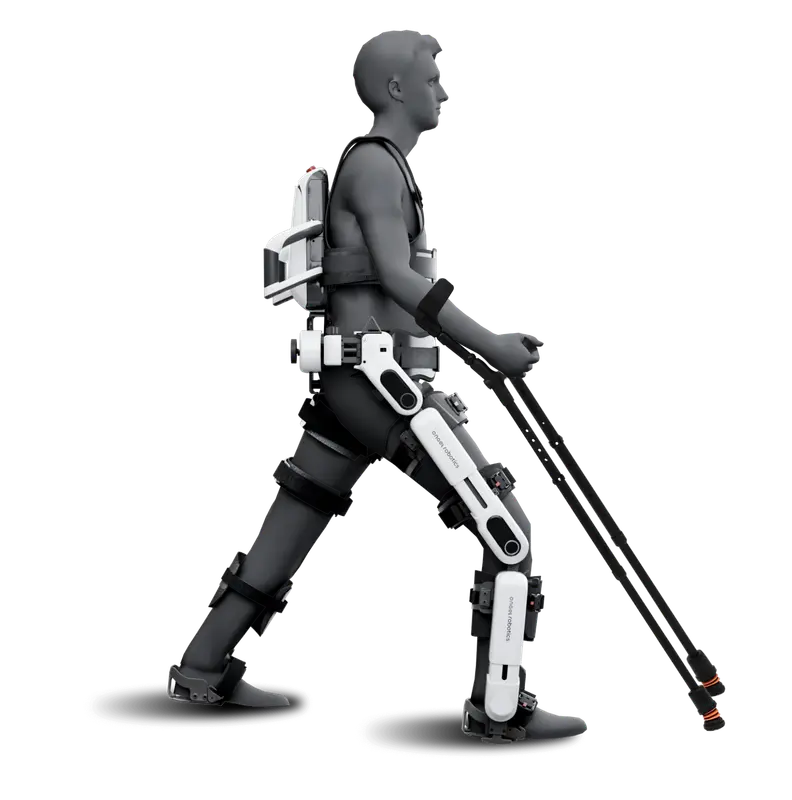
Clinical / rehabilitation gait exoskeletons. Wearable walking-training robot for people with incomplete lower-limb paralysis.
Price on request
Last updated: 14 November 2026 · Total: 2 products
Wearable robots that help a person walk. The catalog currently lists two, both from Angel Robotics of South Korea: the Angel Legs M20, a walking-training robot for people with incomplete lower-limb paralysis, and the Angel Suit H10, a hip-assist robot for gait training. Suitability is assessed and training is given by clinicians, and devices like these are often sold to clinics rather than to individuals.
Where to buy exoskeletons & robotic rehab: you can order any of the 2 products on this page through Mobility Atlas with delivery to Australia, New Zealand, the United Arab Emirates, Saudi Arabia, Qatar, Kuwait, Bahrain, Oman, Singapore, Malaysia, Hong Kong, the Philippines, Israel, Mexico, Brazil, Colombia, Chile, Peru, Argentina and the United States. Brands here include Angel Robotics. Send an enquiry with your country, and Anna replies within 24 hours with a written quote that adds delivery and any import duties. Delivery by country
Clinical / rehabilitation gait exoskeletons. Wearable walking-training robot for people with incomplete lower-limb paralysis.
Price on request
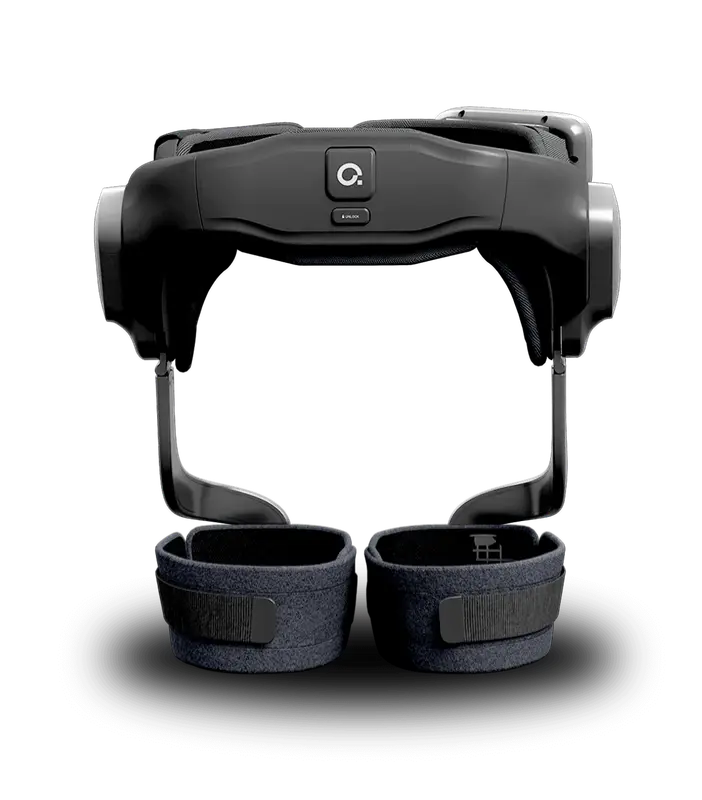
Powered hip devices. Lightweight hip-assist wearable robot for gait training and return to daily activity.
Price on request
It is a wearable powered frame with motors at the joints that helps a person stand and walk or that supports a weak limb. Medical models are regulated devices used under clinical guidance.
Not at present for most users. Exoskeletons are slower, take time to put on and have limited battery life, so people use them for exercise, standing and some walking alongside their wheelchair.