Last updated: 20 November 2026 · Total: 22 products
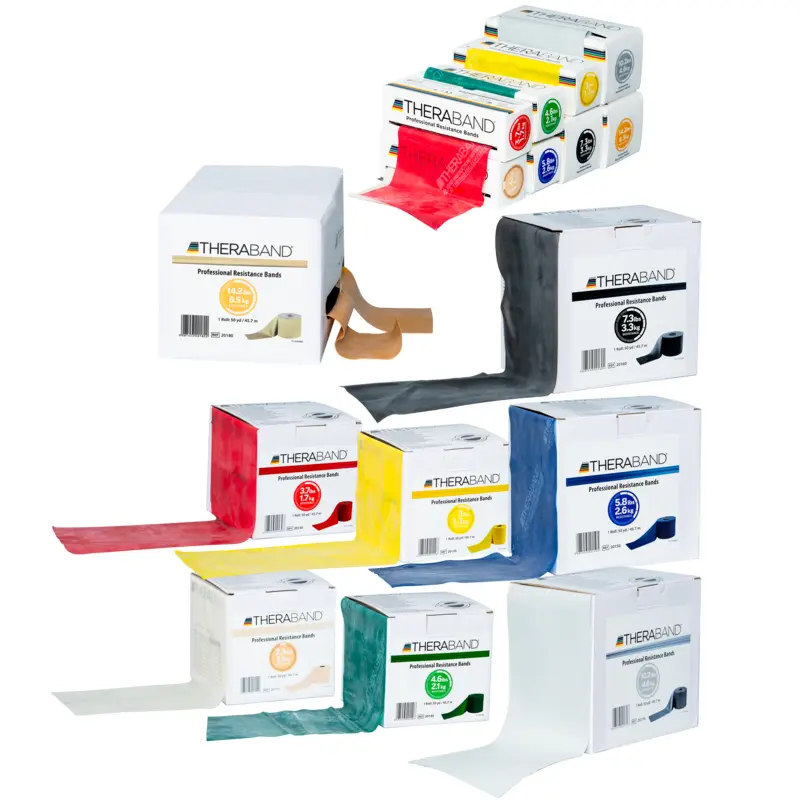
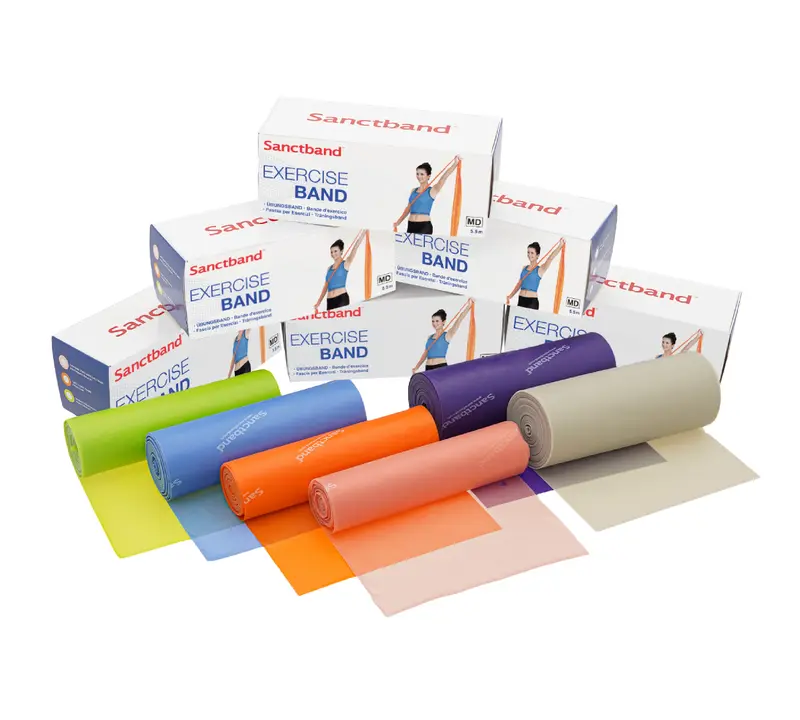
Everyday equipment for therapeutic exercise programs. Resistance bands and tubing, such as the THERABAND professional range, give graded resistance by colour. Cuff weights strap to the wrist or ankle for people who cannot grip a dumbbell. Wall bars and pulley systems support stretching and strengthening, therapy balls, rolls and wedges are used for balance and positioning, and some gym machines are built for use from a wheelchair. Inspiratory and expiratory muscle trainers train the breathing muscles.
Where to buy therapeutic exercise equipment: you can order any of the 22 products on this page through Mobility Atlas with delivery to Australia, New Zealand, the United Arab Emirates, Saudi Arabia, Qatar, Kuwait, Bahrain, Oman, Singapore, Malaysia, Hong Kong, the Philippines, Israel, Mexico, Brazil, Colombia, Chile, Peru, Argentina and the United States. 19 of them have our price, from US$5 to US$3,215 before delivery; the rest are quoted on request. Brands here include THERABAND, POWERbreathe, Orygen, Sanctband, CanDo and Vissco Rehabilitation. Send an enquiry with your country, and Anna replies within 24 hours with a written quote that adds delivery and any import duties. Delivery by country
Resistance bands and tubing. Flat 6-inch-wide natural latex exercise bands in the colour-coded THERABAND resistance system, sold as dispenser boxes of 6, 50 or 100 yards to cut to length for each patient.
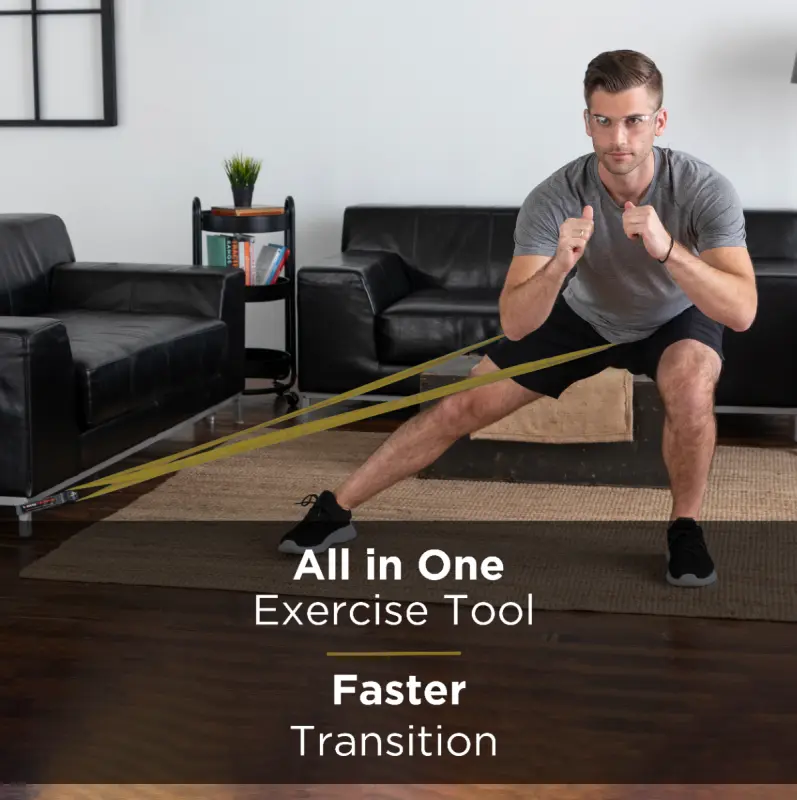
Resistance bands and tubing. Colour-coded natural latex exercise tubing in the THERABAND resistance system, used with door anchors or handles for upper- and lower-body exercises; versions with attached handles exist.
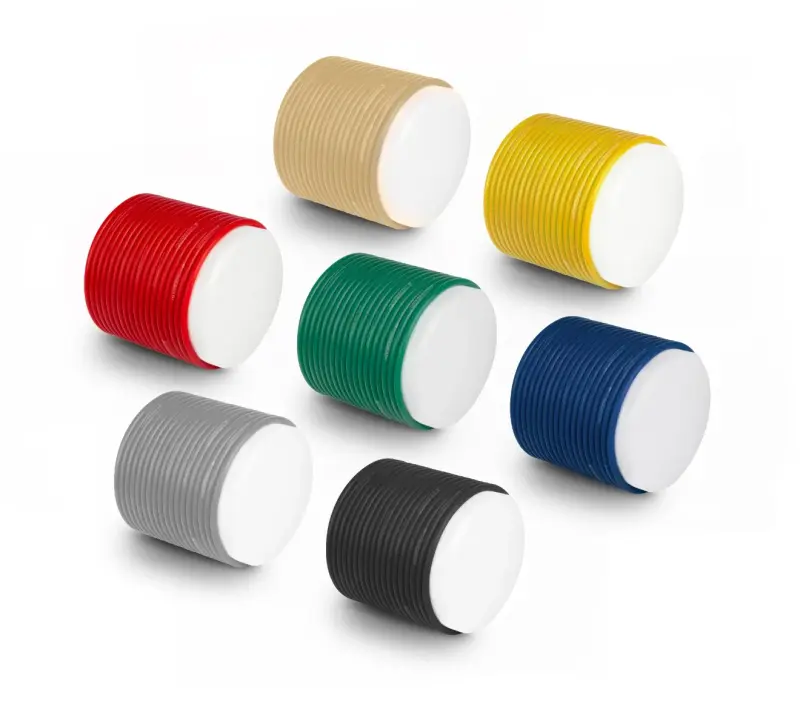
Resistance bands and tubing. Powder-free resistance band with a row of built-in loops that serve as hand or foot grips and anchors, so exercises need no knots or handles; marketed by the maker as latex-free.
Resistance bands and tubing. Colour-coded natural latex exercise band from a Malaysian maker of rubber resistance products; a separate latex-free version is offered with similar progressive resistance.
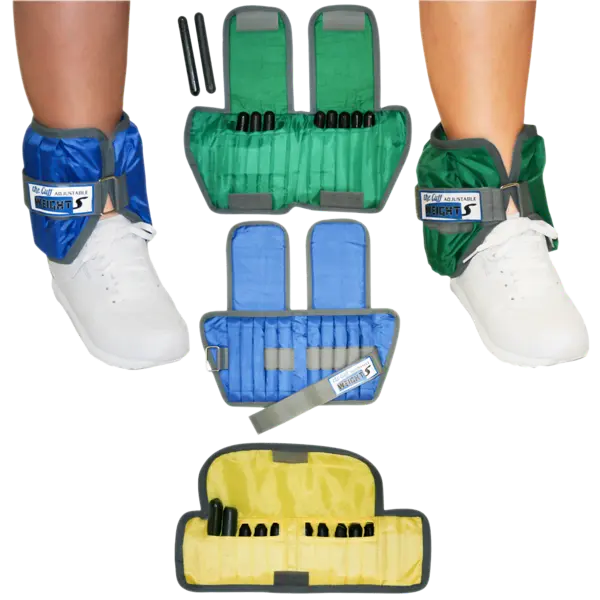
Cuff and hand weights. Strap-on wrist or ankle cuff whose load is changed by adding or removing small weight inserts; D-ring straps mean the user does not need to grip the weight.
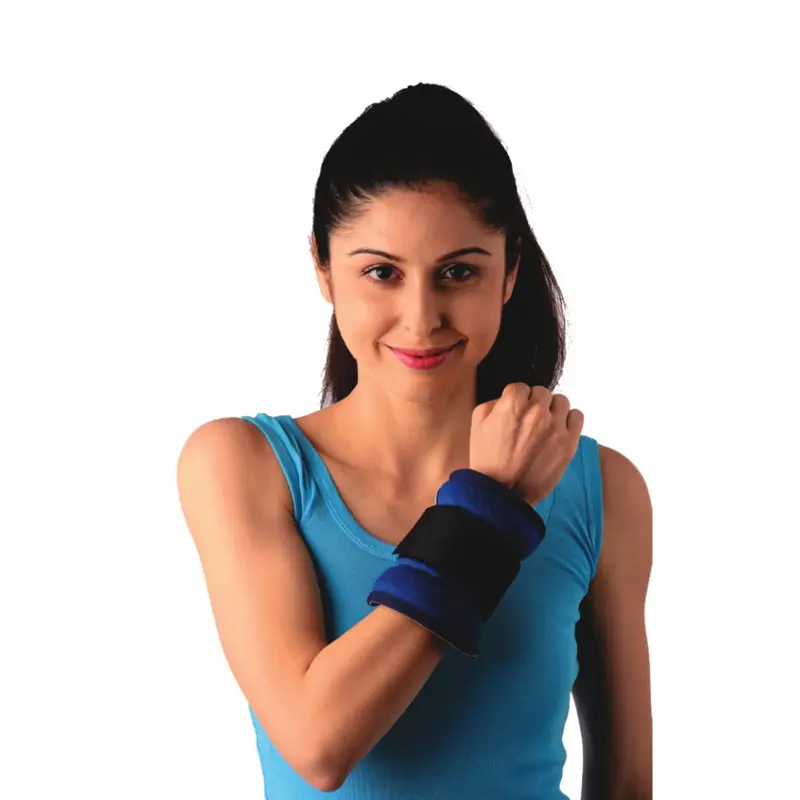
Cuff and hand weights. Fixed-weight fabric cuff that straps to the wrist or ankle with a reverse buckle and hook-and-loop closure, sold in six weights from half a kilo to five kilos.
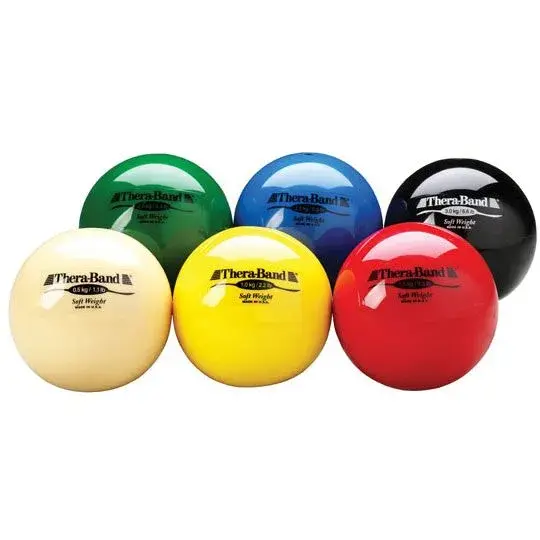
Cuff and hand weights. Hand-held weighted balls with a soft PVC shell and pellet filling, used instead of dumbbells for one- or two-handed strengthening, balance and mobilisation work; less likely to cause damage if dropped.
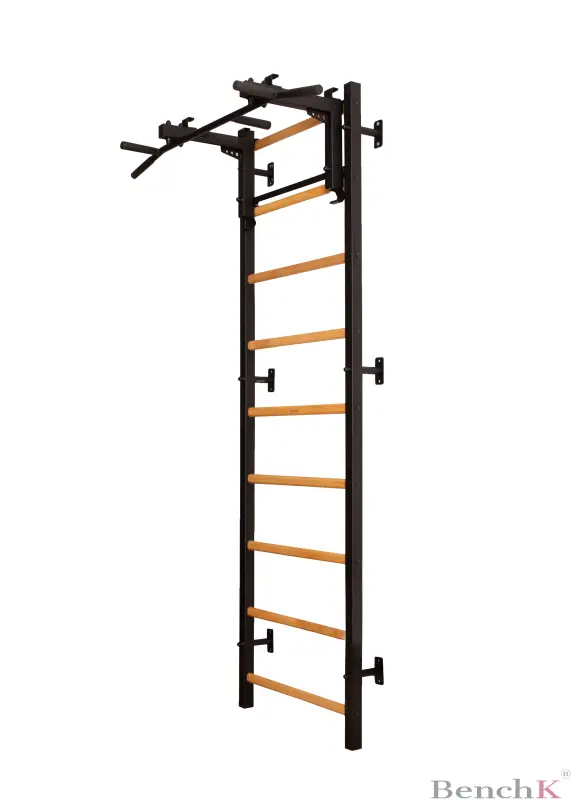
Wall bars and pulley systems. Full-height beech-rung wall bar (Swedish ladder) with a removable steel pull-up bar that flips into a barbell rest; made in Poland to European gymnastic-equipment standards and marketed for homes, studios and rehab rooms.
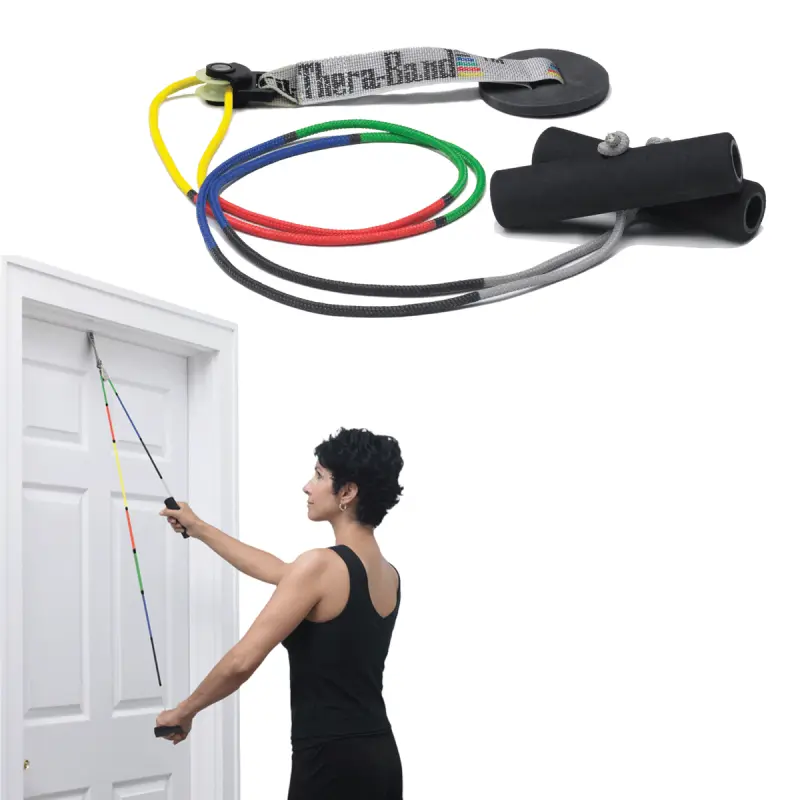
Wall bars and pulley systems. Over-the-door rope-and-pulley set with foam handles; the rope is marked with black lines so the user can see range-of-motion progress during shoulder exercises.
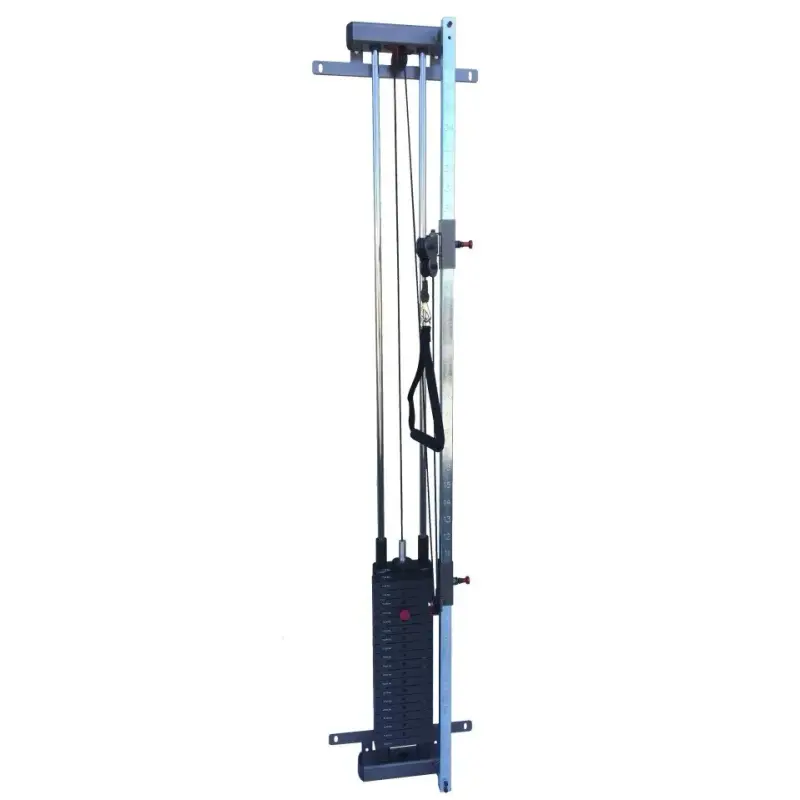
Wall bars and pulley systems. Clinic weight-stack pulley with a 1:1 weight-to-resistance ratio, sold as single or double units for wall, module or freestanding (wheeled) mounting; the rope height is set on a bar with spring-loaded plungers.
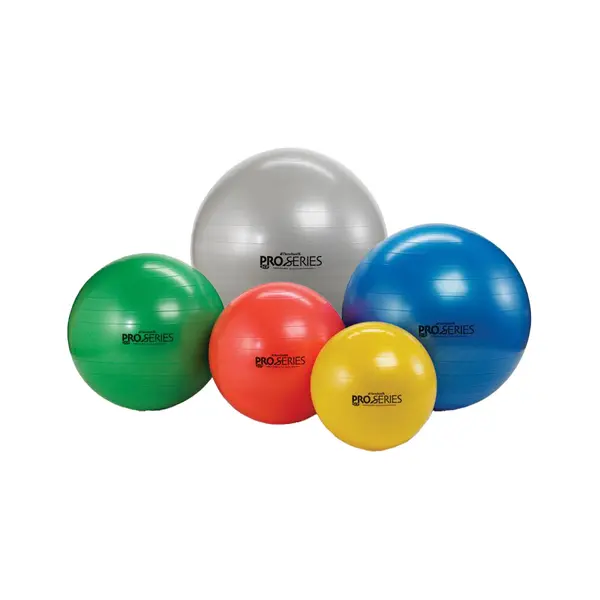
Therapy balls, rolls and wedges. Thick-walled PVC exercise ball made to deflate slowly if punctured, used in clinics and homes for balance, posture and core work lying, sitting or kneeling; five colour-coded sizes.
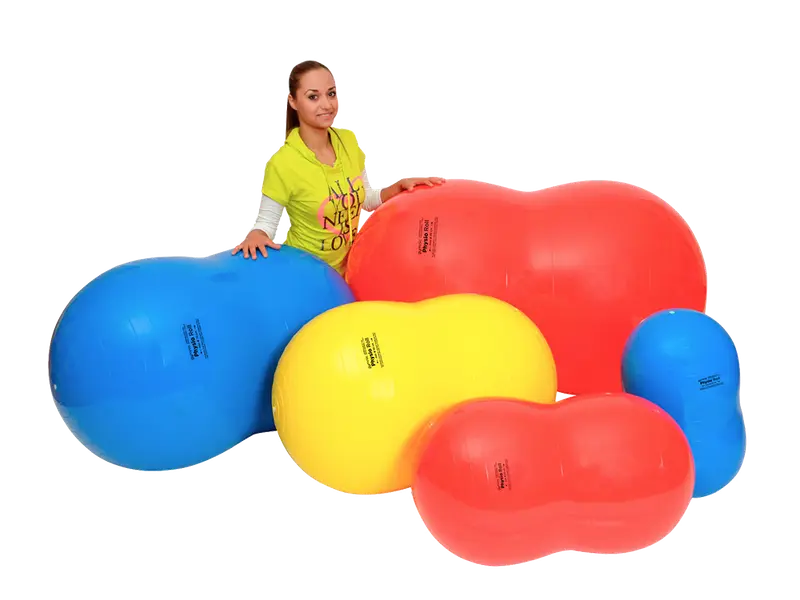
Therapy balls, rolls and wedges. Peanut-shaped double ball that rolls in one direction only, with a slight saddle in the middle, giving more stability than a round ball; a therapist can sit on it behind the patient. Five sizes from 30 to 85 cm.
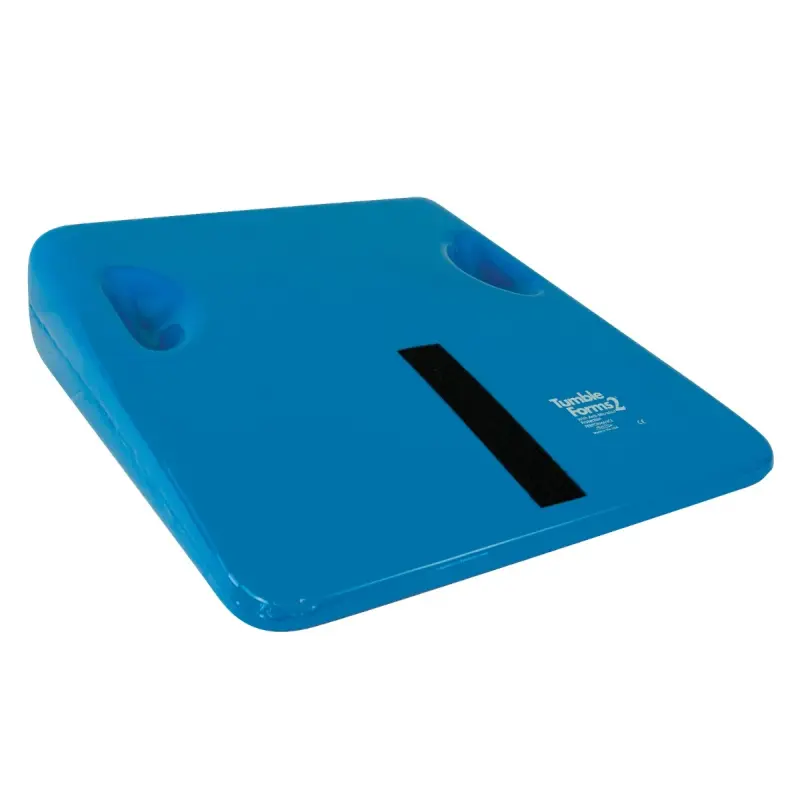
Therapy balls, rolls and wedges. Moulded-foam positioning and activity wedges with a seamless, wipe-clean coating, used alone or in combination for prone and supine positioning and for rolling or tumbling activities; eight size and angle versions.
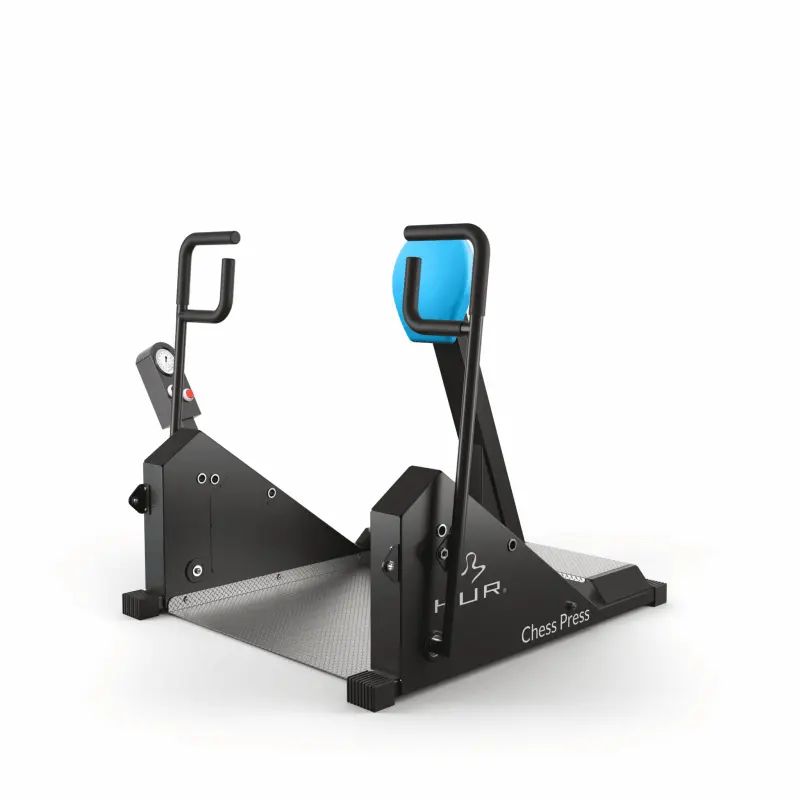
Exercise equipment for wheelchair users. Pneumatic (air-resistance) chest press designed so a wheelchair user can train from their own chair, starting from near-zero load; a removable chair lets other users train on it too. Needs no electricity.
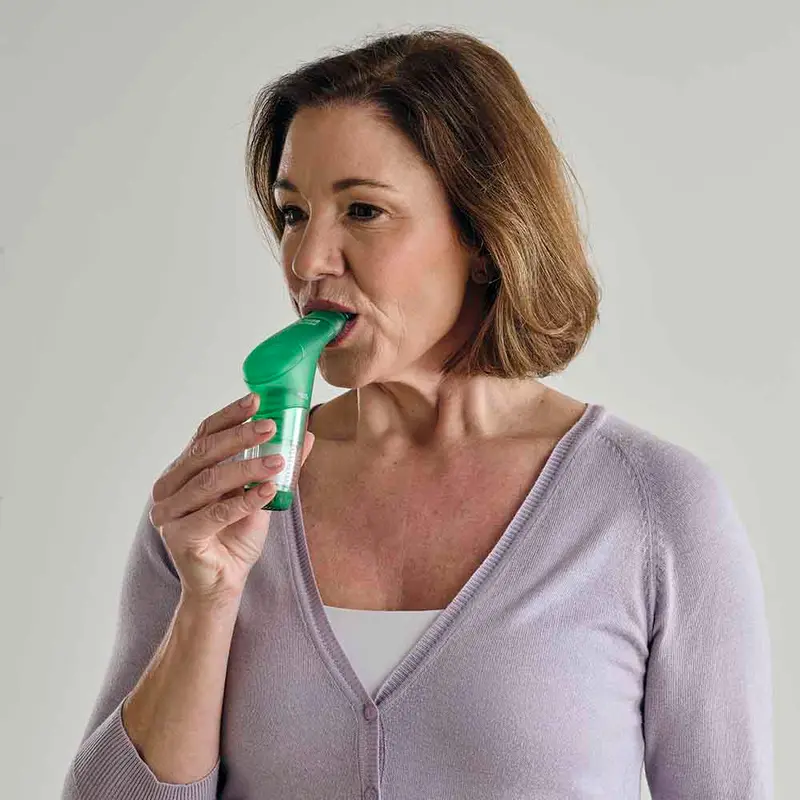
Respiratory muscle trainers. Hand-held spring-valve inspiratory muscle trainer with 11 load settings, sold in Light, Medium and Heavy resistance versions plus a Medic version with a lower starting load.
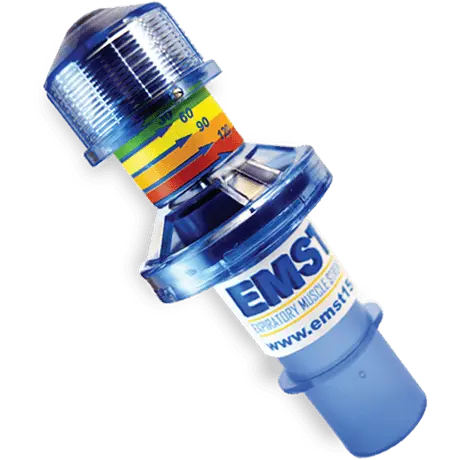
Respiratory muscle trainers. Hand-held calibrated pressure-threshold valve for expiratory (breathing-out) muscle strength training, used by speech and respiratory therapists for cough and swallow work; an IA150 adapter converts it for inspiratory training.
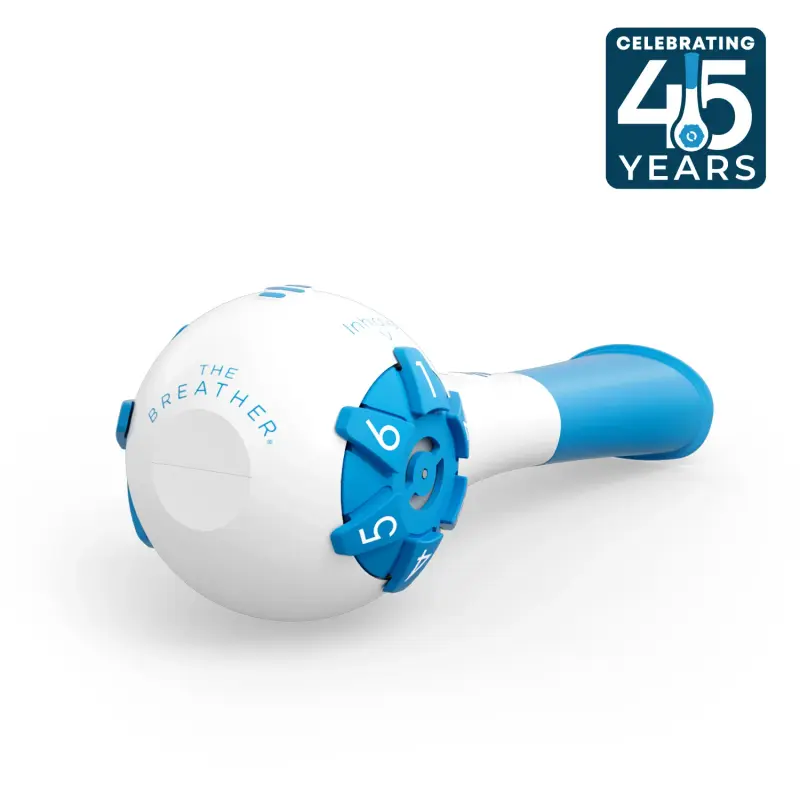
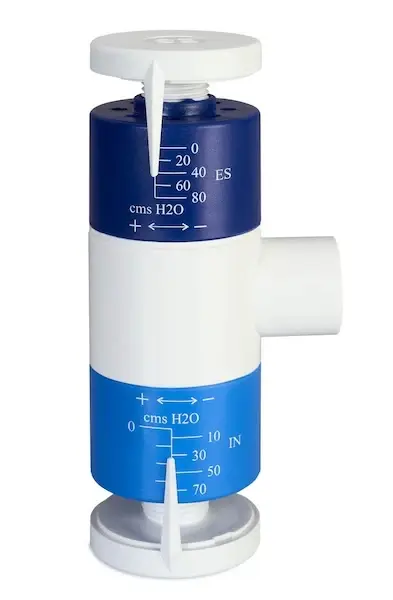
Respiratory muscle trainers. Hand-held trainer with two separate dials that loads both breathing in and breathing out, with 6 inspiratory and 5 expiratory settings; no batteries, with a free coaching app.
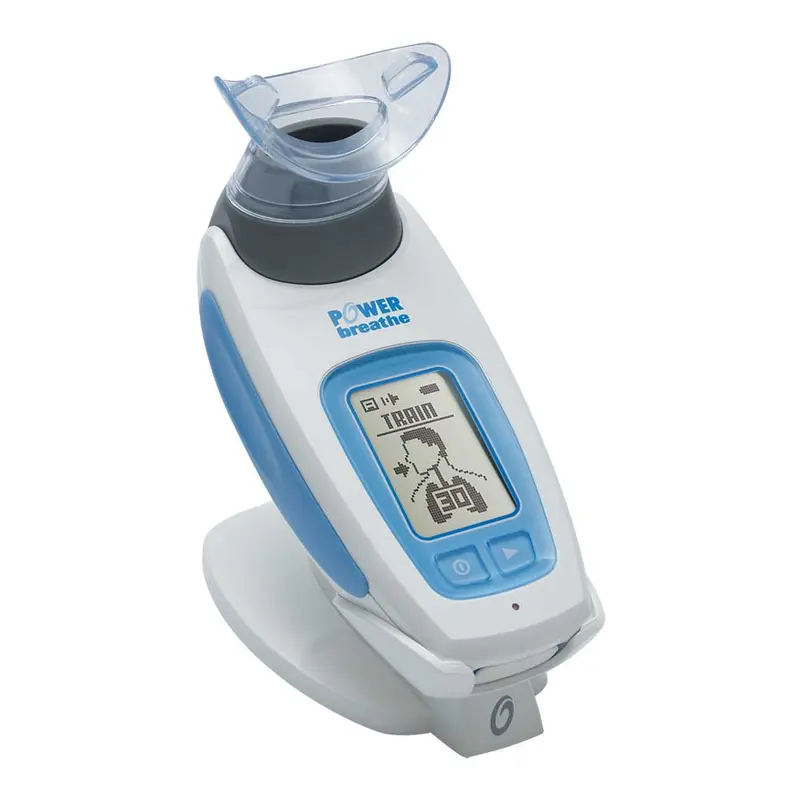
Respiratory muscle trainers. Electronic inspiratory muscle trainer with an electronically tapered resistance valve that lowers the load as the breath goes on, an LCD screen, and a single-breath test with an S-Index rating. Battery is recharged in a cradle.
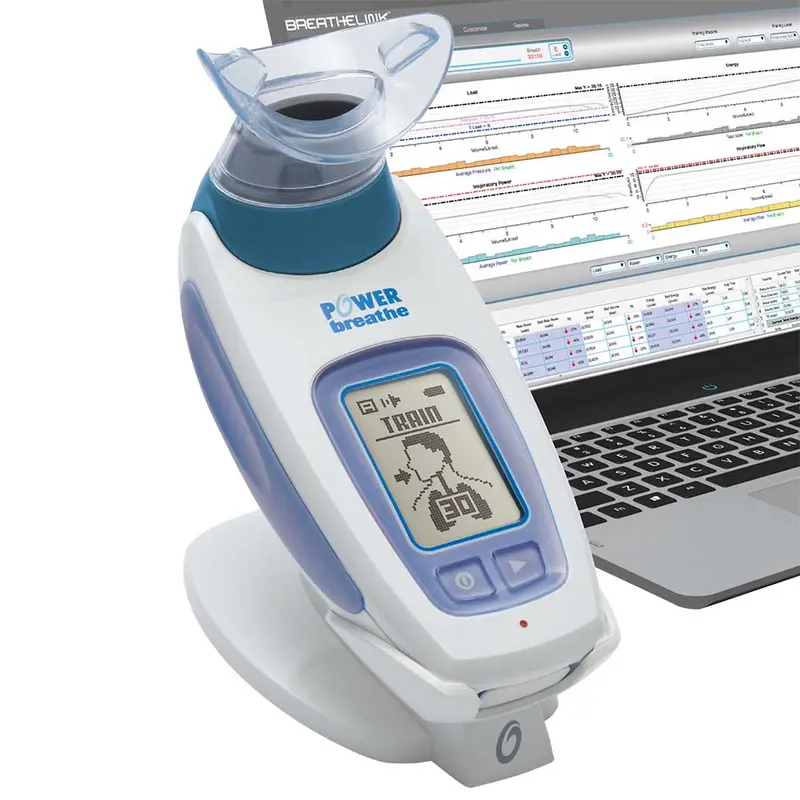
Respiratory muscle trainers. Clinical version of the electronic POWERbreathe trainer for healthcare professionals: tapered electronic resistance plus Breathe-Link Medic software with live feedback, a maximal inspiratory pressure (MIP) test with quality check, and up to 30 patient profiles. Can be used with disposable TrySafe filters.
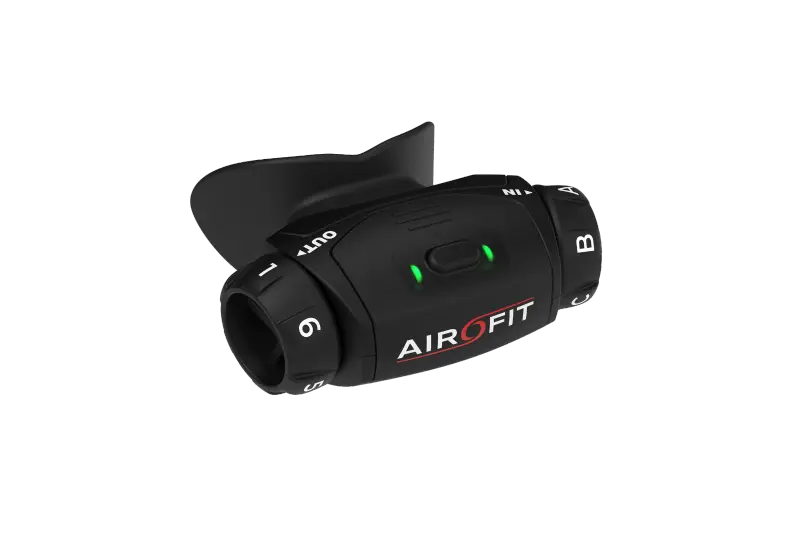
Respiratory muscle trainers. App-connected breathing trainer that adds adjustable resistance to inhaling and exhaling and measures lung function, with guided sessions and progress tracking in the Airofit app (free; optional paid Premium).
Respiratory muscle trainers. Small mechanical trainer with two separately adjustable valves, one for breathing in and one for breathing out, so both sets of breathing muscles are trained at once. Developed with the pulmonology department of Hospital del Mar, Barcelona.
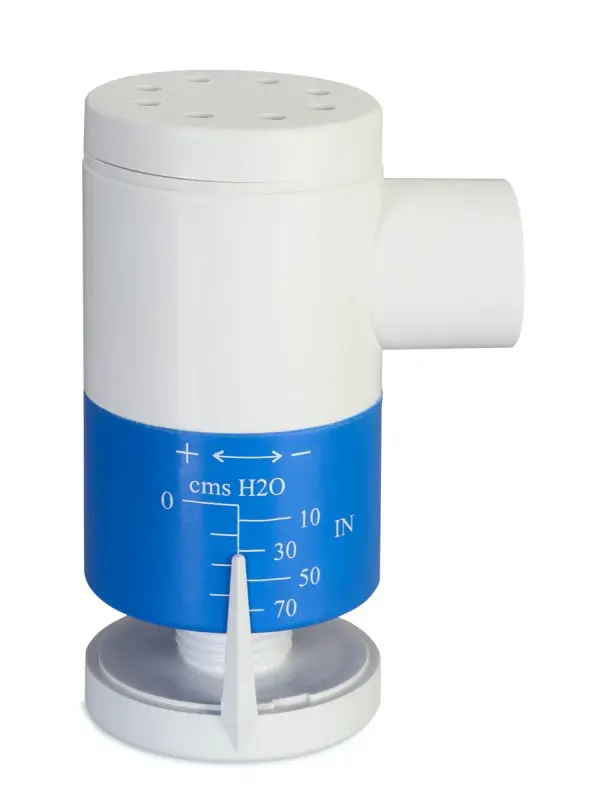
Respiratory muscle trainers. Single-valve mechanical inspiratory muscle trainer with a dial-set threshold, for low-cost daily training of the breathing-in muscles.
US$45
Spain
How to choose
Choose resistance and weight with the therapist and increase gradually.
Check for latex if the user has a latex allergy; the product page says what the maker states.
Wall bars need a sound wall and fixings; check what is included.
For wheelchair gym equipment, check the space needed beside the machine.
Common questions
Are latex-free bands available?
Yes. Several bands and balls are sold latex-free; each product page states what the maker says about latex.
Who are breathing muscle trainers for?
They are used to train the muscles of breathing in and out, for example in respiratory and neurological rehabilitation. Use them as the clinician advises.