Evolv
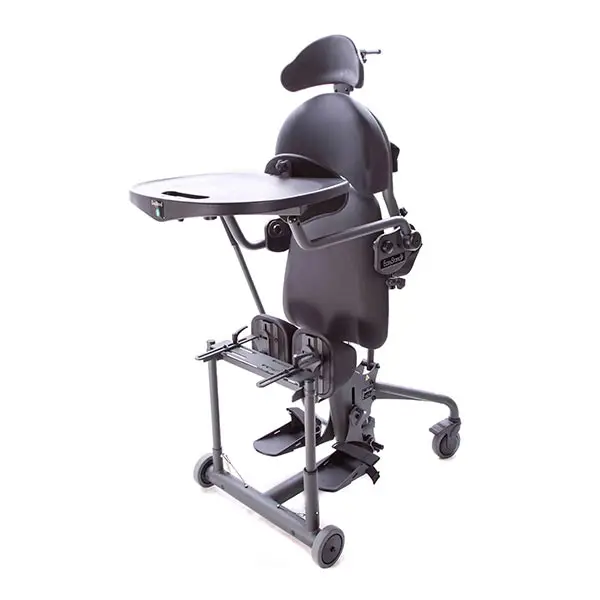
Sit-to-stand standers. Modular sit-to-stand standing frame with hydraulic or push-button lift and many positioning options.
from US$2,306
Last updated: 13 November 2026 · Total: 3 products
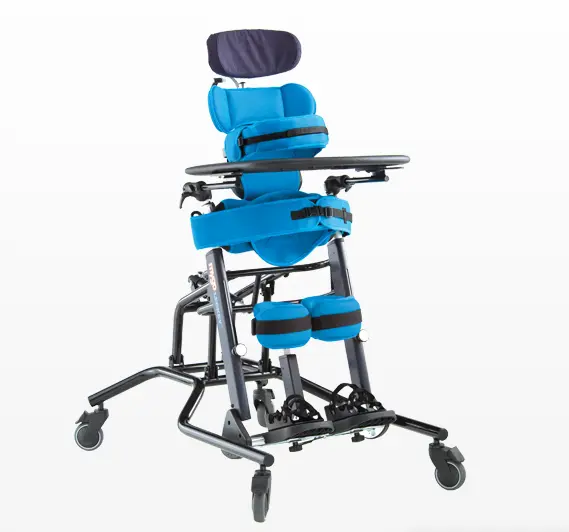
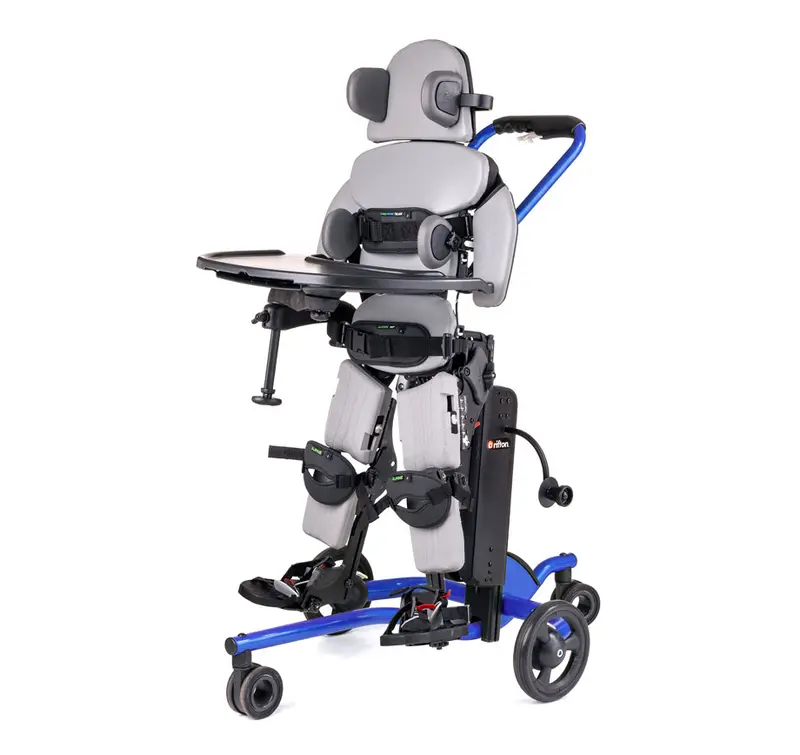
A stander holds a person upright who cannot stand on their own, with supports at the feet, knees, hips and chest. Sit-to-stand models such as the EasyStand Evolv start from a seated position, so the user transfers across from a wheelchair and is raised by a hand pump or powered lift. Paediatric multi-position standers like the Leckey Mygo Stander and the Rifton Stander can be set prone, supine or upright and adjusted as the child grows. A standing programme, including how long and how often, is set by a physiotherapist.
Where to buy standing frames and standers: you can order any of the 3 products on this page through Mobility Atlas with delivery to Australia, New Zealand, the United Arab Emirates, Saudi Arabia, Qatar, Kuwait, Bahrain, Oman, Singapore, Malaysia, Hong Kong, the Philippines, Israel, Mexico, Brazil, Colombia, Chile, Peru, Argentina and the United States. 3 of them have our price, from US$2,306 to US$4,756 before delivery. Brands here include EasyStand, Leckey and Rifton. Send an enquiry with your country, and Anna replies within 24 hours with a written quote that adds delivery and any import duties. Delivery by country
No checkout, no surprisesYou send an enquiry, we quote availability, price and delivery for your country. You decide after that.How it worksSit-to-stand standers. Modular sit-to-stand standing frame with hydraulic or push-button lift and many positioning options.
from US$2,306
Paediatric multi-position standers. Three-in-one paediatric stander offering prone, supine and upright standing with continuous angle adjustment.
from US$4,756
Paediatric multi-position standers. Multi-position standing frame for prone, supine or upright standing with tool-free angle and height adjustment.
from US$4,060
It lets a person who cannot stand independently spend time upright and weight bearing through the legs, at eye level with others. The reasons and schedule for standing are set by the therapy team.
There is no universal figure. A physiotherapist sets the duration and builds it up gradually, taking account of blood pressure, joint range, bone health and how the person tolerates standing.