Used wheelchairs, power chairs and scooters in 2026: where to buy, what to check, recalls, Medicare and selling
Dealer demo stock, reuse programs and private sellers: one dealer's printed prices, the nine checks, the FDA recall lookup, Medicare's UE fee, and selling or donating.
Contents
- The short answer
- How we compared
- Before you pay: the nine checks on one page
- Route one: a dealer's used, demo and rental-return stock
- What the dealer listings tell you, and what they leave out
- Route two: AT reuse programs and loan closets
- What a good reuse program does: the Pass It On Center's yardstick
- Route three: private sellers
- Check one: the recall lookup in the FDA database
- What the recall records show about these models
- Is it legal to sell a recalled wheelchair?
- Check two: the frame, the folding parts and the welds
- Check three: wheels and casters
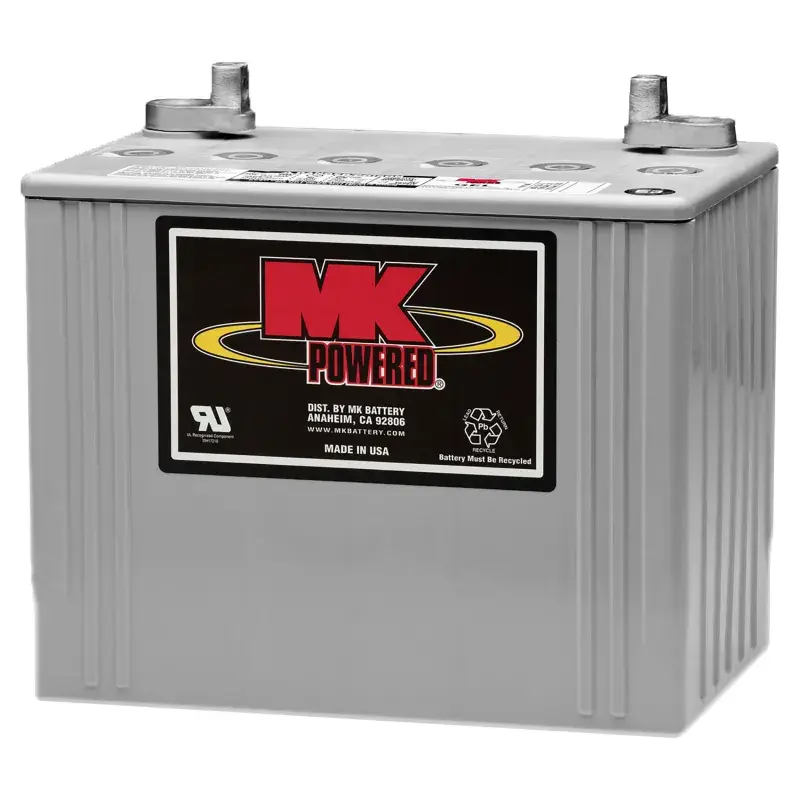
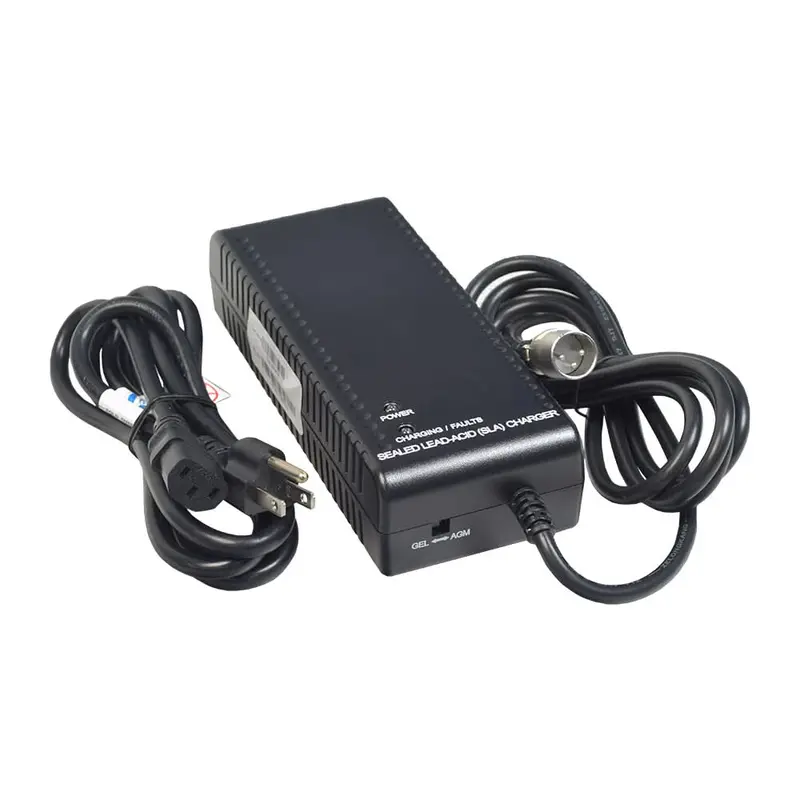
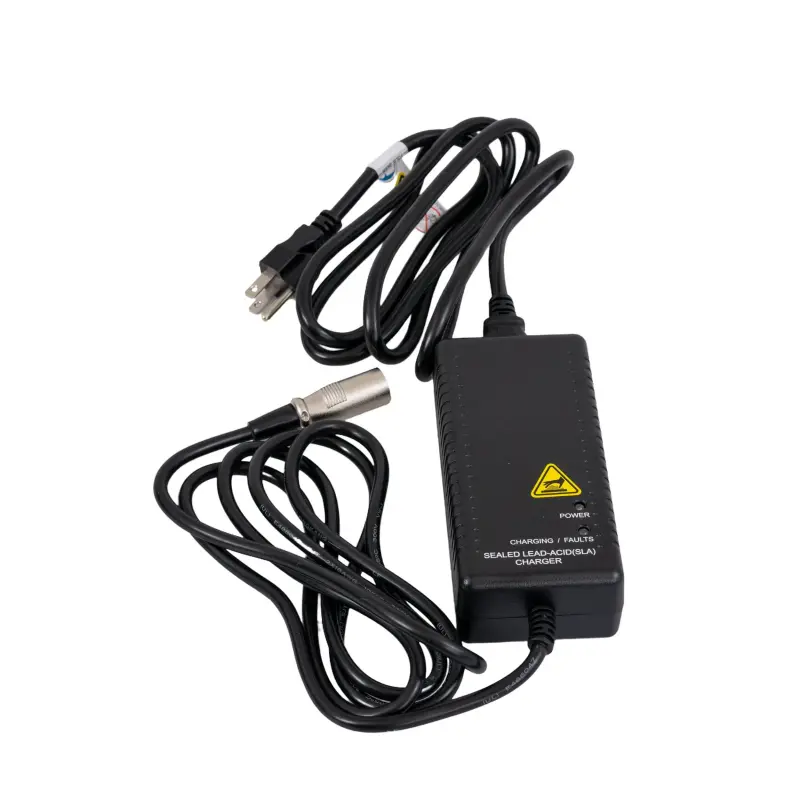
- Check four: batteries and the charger
- Check five: switch it on, drive it and read the error codes
- Check six: the cushion
- Check seven: age, service life and what happened to it
- Check eight: will a dealer service it?
- Check nine: fit, which is for the therapist
- Used scooters and power add-ons
- Does Medicare pay for a used wheelchair?
- The fee schedule: new, used and rental fees side by side
- Buying the chair you have been renting
- Selling a chair you no longer need
- Donating a chair
- Used wheelchairs near me: what to search and what to ask
- Three traps
- Three composite scenarios
- Questions for the therapist and the Medicare supplier
- Sources and documents
- Common questions
- Sources
The short answer
Where can you find a used wheelchair, power chair or scooter, and what should you check before paying? Mobility Atlas read a dealer's used stock pages, the FDA's recall database and Medicare's claims manual and fee schedule on 25 October 2026, with state reuse program pages and Medicare.gov read earlier in October; they point to three routes. A mobility dealer sells used, demo and rental-return chairs: one South Carolina store listed four used power chairs at 950 to 3,500 dollars. State assistive technology programs and reuse charities lend or pass on refurbished chairs free or at low cost. Private sellers carry the most risk, with no dealer warranty and no Medicare payment. Before paying, look up the model in the FDA recall database, check the frame, folding parts, wheels and casters, ask the battery age, switch the chair on and watch for error codes, and ask its age and whether a dealer will service it. Fit is for the therapist or seating specialist to decide.
| Route | Suits | Printed example | Ask first |
|---|---|---|---|
| Dealer used and demo stock | A power chair you need soon | 950 to 3,500 (one SC store) | Warranty, battery age, service |
| AT reuse programs, loan closets | Tight budget; trying first | Often free; FODAC 25-dollar one-time fee | Stock, fit check, recalls |
| Private sellers | A known model, bought with care | No prices quoted here | Serial number, recall, manual |
| Medicare-paid used chair | A doctor's order, enrolled supplier | K0005 used fee 75% of new (our division) | UE or NU on the claim |
The dealer prices are United States prices in US dollars, as printed on one store's pages on 25 October 2026: Mobility Plus Northeast Columbia, a Mobility Plus franchise store in Columbia, South Carolina. They are one store's stock on one day, not a national price and not a ranking. Used stock changes as it sells, and a store in your town may price the same model differently. Prices also differ by country and by who pays.
Mobility Atlas earns a fee or margin when you order through us; the comparison below uses only the dealer's published listings, the programs' own pages, the federal rules and fee schedule, the makers' manuals and our own catalog. We quote no private classified ads. If you want help finding a used or new chair to set against a quote, send an enquiry with the model, the place and the user's height and weight, and ask us to find it.
A used chair was set up for someone else's body. Whether a used chair fits and is safe for this user, what cushion they sit on and how the seat is set is a decision for the physical or occupational therapist or the seating specialist. This guide explains where used chairs come from, what to check and what Medicare does, and stops there.
How we compared
On 25 October 2026 we read and saved these documents, in the sections stated in each file: Mobility Plus Northeast Columbia's used equipment page and its four used power chair pages; the FDA's Medical Device Recalls database, with searches by product code, and the FDA's pages on recalls and early alerts; the Consumer Product Safety Commission's page on stopping the online sale of recalled products; two sections of the US Code, 15 U.S.C. 2068 and 2052, on the Legal Information Institute's site; 42 CFR 414.220 in the eCFR; Chapter 20 of CMS's Medicare Claims Processing Manual; the October 2026 Medicare fee schedule rows for four wheelchair codes; the Pass It On Center's 2011 report on quality indicators for reuse programs; and Permobil's M1 power chair manual.
We also reused documents read between 10 and 23 October 2026: 42 CFR 414.229 on capped rental items; the CMS page on equipment payment classes; Medicare.gov's pages on wheelchairs and scooters and on equipment; the AT3 Center's pages on state assistive technology programs; the Texas Technology Access Program's loan and reuse pages; FODAC's equipment pages in Georgia; the FDA's page on what a recall is; the FDA's classification rules for powered wheelchairs and scooters (read 10 October) and for mechanical wheelchairs, 21 CFR 890.3850 (read 22 October); the openFDA recall records for power chairs, manual chairs and scooters; Pride Mobility's troubleshooting sheet for the Jazzy 614; the Model Systems Knowledge Translation Center's maintenance guide; MK Battery's charging page; and Permobil's ROHO cushion inflation page. Catalog rows are guide prices from our catalog, checked October 2026.
Five limits matter. First, the dealer prices are as printed; we did not ask for a quote, and the pages state no warranty, battery age or controller hours for any used unit. Second, two documents came by an indirect route: the Permobil manual is the American English edition for Australia (document 337748 eng-AUS), hosted by an Australian dealer, so the US edition's wording may differ, and the Pass It On Center report was read through the Wayback Machine's copy because the live Georgia Tech site did not load. Third, the Medicare section reads four codes of the fee schedule, not all of it. Fourth, where we say what a law means for wheelchairs, that is our reading, not legal advice. Fifth, the guide is written for the United States; rules on resale, recalls and funding differ in the UK, the EU and elsewhere, so confirm with your local regulator or health service.
Before you pay: the nine checks on one page
Each check has its own section below. This table is the version to take on the phone or to the viewing. The first column says who settles each one; some you can do yourself, some need a dealer, and fit needs a clinician.
| Check | What to look for | Who settles it |
|---|---|---|
| Recall lookup | Model and serial number in the FDA database | You, then the maker or dealer |
| Frame and folding parts | Cracks at welds, cross brace, seat on fold | You; a dealer if in doubt |
| Wheels and casters | Spin, wobble, bearings, tire wear | You; a dealer for repairs |
| Batteries and charger | Battery age, the right charger | You and the seller |
| Error codes | Lights at switch-on, a flashing code | You; a dealer to fix |
| Cushion | Damage, air level, whose it was | The seating specialist |
| Age and service life | Year, events like a crash or flood | You and the maker's manual |
| Service | A local dealer who will take it on | The dealer, before you buy |
| Fit | Seat size, controls, posture | The PT, OT or seating specialist |
If the seller cannot give you the model and serial number, you cannot do the first check, and that alone is a reason to walk away or to ask a dealer to look at the chair first.
Route one: a dealer's used, demo and rental-return stock
Mobility dealers sell used chairs alongside new ones, and their used pages are the nearest thing to a shop window for the search used electric wheelchairs for sale near me. We read one store's page as the example: Mobility Plus Northeast Columbia, in Columbia, South Carolina. Its page says it offers "a large selection of used and pre-owned mobility equipment," including scooters, power wheelchairs, lift chairs, vehicle lifts and stair lifts. It names Pride Mobility, Golden Technologies, Harmar and EZ-Access among its brands.
| Used power chair, as listed | Price (USD) | Year in listing | Detail printed |
|---|---|---|---|
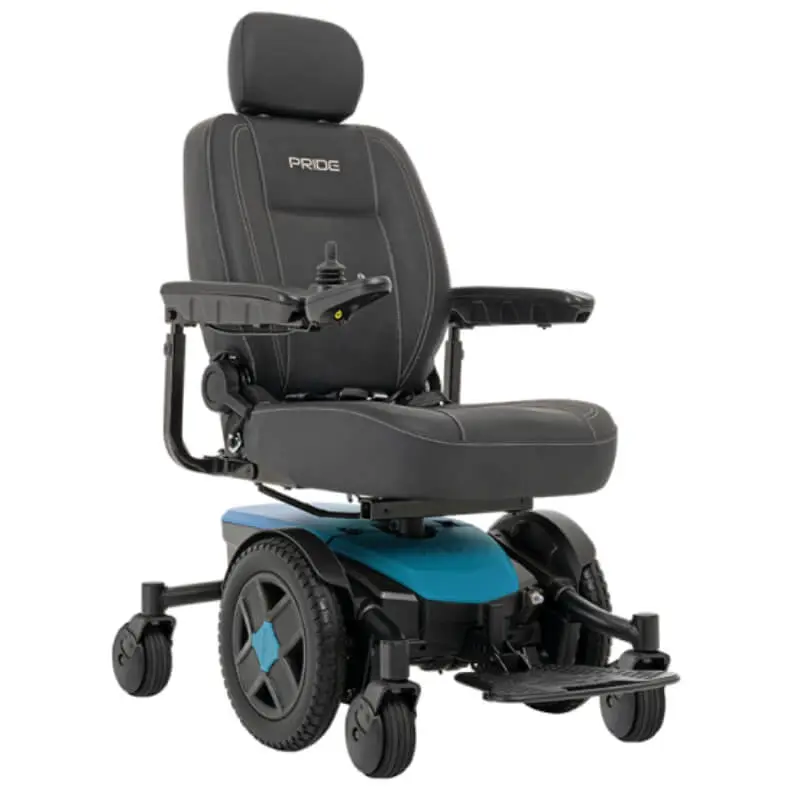
| Pride Jazzy Elite HD | 950.00 | 2021 | 20 x 20 in seat; ROHO cushion |
| Pride Jazzy EVO 613 Li | 1,500.00 | 2022 | Lithium battery; armrest rips |
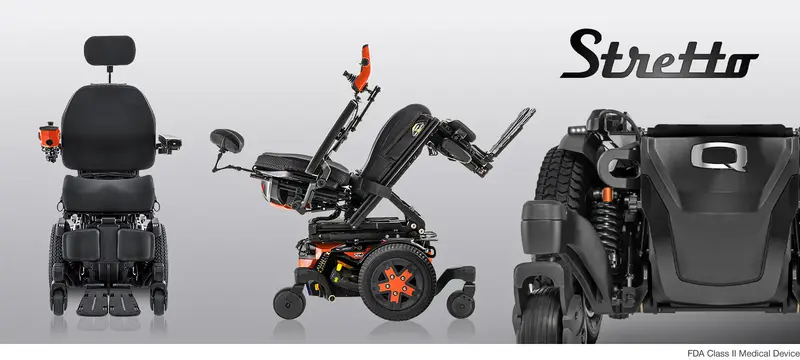
| Quantum Edge 3 Stretto | 3,500.00 | 2022 | Tru-Balance 3 power positioning; power-elevating footrest |
| Go Chair MED | 950.00 | 2025 | 300 lb; up to 3.7 mph; 9.41 mi |
Prices are as printed on the store's pages, read on 25 October 2026. The page says "Every piece of used mobility equipment we sell is carefully inspected, cleaned, and tested by our trained technicians." It also says many of its used scooters and power chairs "have been gently used as showroom demos or short-term rentals." That is a claim about its stock in general; the product pages do not say which of the four was a demo or a rental.
The listings are honest in one useful way. The Jazzy EVO 613 Li page says "Please note there is a rip on both the left and right armrests," and that otherwise the chair is well maintained. A seller who names the faults is easier to trust than one who names none. Even so, what is printed is not the whole story, and the next section is about what is missing.
What the dealer listings tell you, and what they leave out
Read the four listings for what they do not print. None of the pages states a warranty for the used unit. None gives the age of the batteries, which matter more on a used power chair than almost anything else. None gives controller hours. By the calendar, the chairs are about 5 years old (the 2021 Jazzy Elite HD), 4 years (the two 2022 chairs) and one year (the 2025 Go Chair MED), counting from the years in the listings; the pages do not say whether those are model years or years of first use.
The store's page says buying used saves money "at a fraction of the cost of new models." We could not check that for these four. Our catalog holds the Jazzy EVO 613 and 613 Li (row PW-005) and the Quantum Edge 3 Stretto (row PW-004), but neither row has a price, so we cannot say what share of a new price these chairs cost. Our catalog rows, checked October 2026, give figures to check a used chair against: the EVO 613 range is printed as up to 14 miles with lead-acid batteries or 17.6 miles with lithium, and the Edge 3 Stretto has optional iLevel seat elevation up to 12 inches, as Quantum's page shows. Worn batteries may not reach a new chair's range, so ask how far the chair goes now.
A demo chair also has a meaning for Medicare. CMS's claims manual counts as used any equipment "used for trial periods or as a demonstrator," even with no sale. The Medicare section below explains what that changes.
Route two: AT reuse programs and loan closets
Every state has an assistive technology program funded under the AT Act, and reuse is one of the activities the Act sets out; the AT3 Center's directory lists each state's program, and its page says no referral is needed. Two examples: TTAP in Texas lists Project MEND in San Antonio, which lends refurbished manual and electric wheelchairs and scooters on long-term loans to low-income people who can show financial need; FODAC in Georgia provides free or low-cost wheelchairs and charges each new client a one-time 25-dollar registration fee. How these programs and loan closets work is covered in the guide to wheelchair rental.
One line on FODAC's page matters for a used power chair: "Some equipment will require the purchase of batteries, too." Budget for them; the battery section below gives catalog prices.
What a good reuse program does: the Pass It On Center's yardstick
How do you tell a careful reuse program from a room full of donated chairs? The Pass It On Center, a reuse project at Georgia Tech, set out "Indicators of Quality for Assistive Technology Reuse" for programs of all types in a report last updated on 19 January 2011. We read it through the Wayback Machine's saved copy, because the live site did not load. It is a yardstick of good practice, not a law, and it is fifteen years old, but its points are the right questions to ask any program.
- Recalls. The report says a program should have written procedures to track "device recalls, market withdrawals and safety alerts" and to contact the people who received affected devices. Its rationale: if a device the program gave out is recalled, "the program has a responsibility to inform the consumer."
- Inventory. Every donated device should have a unique identification, and the program should be able to "identify devices subject to recall notices."
- Evaluation and refurbishing. Devices should be evaluated with written, device-specific procedures, and refurbished with procedures "that do not alter the original manufacturer specifications," the report says, by trained technicians.
- Sanitization. Cleaning should follow written procedures consistent with the maker's instructions.
- A limited warranty. The report says a program should offer one on refurbished devices, letting the user return a device for a refund, if a fee was paid, or an equivalent replacement within a set time.
- Ownership. The report says a program should confirm "the donor has the right to sell or donate the equipment."
Ask a program three things from that list: how it checks recalls, who refurbishes its power chairs, and whether it takes a chair back if it does not suit. The answers tell you more than its website.
Route three: private sellers
Private sales skip the dealer and the program, and the buyer carries every risk. This guide quotes no private ads and gives no private prices: a classified ad is one person's asking price on one day, and we could not check any of them. What we can do is say what a private sale lacks compared with the other two routes.
- No Medicare payment. Medicare.gov says Medicare "will only pay for DME items if you get them from suppliers who are enrolled in Medicare." A private seller is not one, so you pay the whole price yourself.
- No dealer inspection, and usually no warranty or return.
- No recall follow-up. A reuse program that meets the Pass It On Center's indicators tracks recalls and contacts the people it supplied; a private seller is not set up to do that, so the recall check is yours to do.
- Often no manual and no charger history. Ask for both, and for the original paperwork if it exists.
A private sale can still be the right choice, especially for a simple manual chair or a model you know well. Do every check below, ideally with the seller present and the chair charged. For an expensive power chair, it is worth paying a dealer to inspect it before you hand over money. Meet in a safe place, keep a written receipt with the model and serial number, and do not pay a deposit for a chair you have not seen.
Check one: the recall lookup in the FDA database
How do you check whether a used wheelchair or scooter has been recalled? Mobility Atlas searched the FDA's Medical Device Recalls database on 25 October 2026. Wheelchairs and scooters are medical devices, so their recalls are listed in the FDA's database. Search by product code: ITI for powered wheelchairs, IOR for manual wheelchairs and INI for three-wheeled scooters. The database returned 71 results for ITI, 40 for IOR and 22 for INI, 133 in all by our sum. Each row names the product, the recall class, the posting date and the firm; the newest power chair rows, posted on 31 July 2026, cover Quantum models, with software versions named. Look up the exact model, then ask the maker or a dealer whether the serial number was affected and whether the fix was done. A recall does not always mean the chair must stop: the FDA says it "sometimes means that the medical device needs to be checked, adjusted, or fixed."
How to search, step by step
- Find the label on the chair or scooter, usually on the frame under the seat, and write down the maker, the model and the serial number. Photograph it.
- Open the FDA's Medical Device Recalls database and type the product code: ITI, IOR or INI. Or type the model name in the product name box.
- Read the product description, the reason for recall and the recalling firm. Some records name software versions, part numbers or serial ranges.
- Call the maker or an authorized provider with the serial number and ask two questions: is this unit affected, and has the correction been done?
- Keep the answer in writing with the date. If you sell the chair later, pass it on.
Read the dates with care. The database page says it "contains Medical Device Recalls classified since November 2002," and that the posting date shows when the FDA classified a recall: "it does not necessarily mean that the recall is new." A recall classified before November 2002 will not show, and a firm's action the FDA has not yet reviewed may or may not show. The FDA also lists the most serious recalls and early alerts on a separate page, and offers an email list for device safety and recalls.
What the recall records show about these models
We read the openFDA downloads of the same three product codes, saved on 10 October 2026, with the same totals. 29 of the 71 power chair records were still open, against 1 of the 40 manual chair records and 1 of the 22 scooter records. The open power chair records are mostly about software and electronics, which a buyer cannot see; a few are physical, such as a Merits record for a seat baseplate pin that broke. In June 2026, Pride Mobility recalled controller software on a set of Quantum models, and the record says that if a reminder pop-up appears while driving, "the wheelchair may perform an unexpected park brake stop, which may result in fall or injury." One model named is the Q6 Edge 3 Stretto, with software version 2.0.11 and a new version 2.0.13.
That is why the software version matters on a used chair. The South Carolina store lists a 2022 Quantum Edge 3 Stretto; the listing we saved does not give the software version, and the recall record names software versions, not model years, so only the maker or a dealer can say whether a given chair runs the affected version. We do not know whether that chair is affected. That is the question to ask, not a finding about the chair. Other open records show the same pattern, as the records say: WHILL recalled its Model C2 and Model F for a "Cyber vulnerability of BLE communication," with software versions named, and Permobil recalled M3 Corpus firmware that "lacks a speed restriction to maintain stability when the seat lift exceeds 50 mm."
Frames and seats in the older records
Older records, most now closed, describe physical faults such as a seat that could come loose when a chair was folded and a seat baseplate pin that broke; the frame and scooter checks below say what to look for.
Open or closed tells you about the FDA's file, not about one chair. The FDA terminates a recall "Only after the FDA is assured that a product no longer violates the law and no longer presents a health hazard," its page says. In our reading, a terminated recall still leaves the question of whether this particular used chair ever had its fix, so ask. The guide to power wheelchair repair goes through the controller and software recalls in more detail.
Is it legal to sell a recalled wheelchair?
For most household goods, US law is plain. The Consumer Product Safety Commission's page tells people reselling their old things that "it is illegal to sell any recalled product," and cites Section 19 of the Consumer Product Safety Act, 15 U.S.C. 2068. That section makes it unlawful to sell a consumer product subject to a voluntary corrective action taken by the maker in consultation with the Commission, where the Commission has made it public or the seller knew or should have known of it, or subject to an order under sections 2061 or 2064.
Wheelchairs and scooters are different, in our reading. The same Act defines "consumer product" in 15 U.S.C. 2052(a)(5) and says the term does not include "drugs, devices, or cosmetics" as the Federal Food, Drug, and Cosmetic Act defines them. The FDA classifies a powered wheelchair and a mechanical (manual) wheelchair as devices "intended for medical purposes to provide mobility to persons restricted to a sitting position," and a motorized three-wheeled vehicle as a device "intended for medical purposes." So, in our reading, the CPSA's resale ban is not the rule that governs a used wheelchair or scooter, and wheelchair and scooter recalls are listed in the FDA's database. That does not mean selling a recalled chair is lawful or safe: we did not read what federal device law or state law says about reselling a recalled device, and they may apply. This is not legal advice; if the question matters for a sale, ask a lawyer.
The CPSC's advice still holds as good practice. Its page tells resellers "it is your responsibility to know whether that product has been recalled," and says checking for recalls "before buying or selling a used product could save a life." For a chair, do the same check in the FDA database, and tell the buyer what you found.
Check two: the frame, the folding parts and the welds
The frame is the part a buyer can see and a seller cannot easily hide. The Model Systems Knowledge Translation Center's maintenance guide, written for users of manual and power chairs, tells owners to "Inspect the frame, weld points, and all holes and bends to confirm that they're intact," and to move the cross-brace "to make sure it works correctly." Do both on a used chair, in good light, with the chair turned over if the seller allows it.
- Look along every tube and at every weld for cracks, bends, flaking paint over a line, or fresh paint over one spot. A crack at a weld is a reason to walk away or to have a dealer look first.
- Fold and unfold a folding chair several times. It should open fully and lock without force, and the seat should sit flat. One closed recall record describes a seat that could "come loose from the frame" when it was pulled up to fold the chair, a reminder that folding parts carry load.
- Push and pull on the backrest and the push handles. A recall record on the Quickie Q7 describes a backrest bracket that could fatigue with age and fracture.
- Check the footrests, armrests and side guards are tight, and that the footrest locks hold.
- On a power chair or scooter, look under the seat at the seat post and baseplate, and wiggle the seat. Two open Merits records concern a seat baseplate pin that broke in the field.
The MSKTC guide also says to "Clean, dry, and lubricate all moving parts" of a folding chair. Stiff folding parts on a used chair may only need that; a bent cross brace needs a dealer. The guide to manual wheelchair repair covers frames, cross braces and welds in more detail, and what to fix yourself.
Check three: wheels and casters
Wheels and casters wear out with use, so they tell you how hard a chair has worked. The MSKTC guide's monthly checks make a good test at a viewing. For bearings, it says "Lift one side of the wheelchair off the ground. Spin the wheel, and let it rotate to a stop." A wheel that stops short or grinds needs bearings. For the axle, it says to "Hold the wheel away from the hub and wiggle it in all directions."
- Rear tires: look for wear, cracks, bulges and flat spots. Press a pneumatic tire firmly with your thumb.
- Spokes: squeeze pairs of spokes together around the wheel; loose or broken spokes need a repair.
- Casters: "Inspect caster wheels for wear, cracks, looseness, bulges, and tears," the MSKTC guide says, and pull the hair and lint out of the caster axle bearings. Our own check: spin each caster and swivel it; it should turn freely without a wobble.
- Wheel locks: they should hold the chair firmly when pushed.
- Alignment: the guide suggests rolling through a puddle and letting the chair coast; a used chair that drifts may have a bent part.
On a power chair, a used chair that pulls to one side may only have uneven tires. Pride's troubleshooting sheet for the Jazzy 614 says that if one tire is inflated more than the other, "the power chair will pull to the side that is underinflated," and that a caster that does not pivot freely makes the chair veer. Casters and tires are cheap compared with the chair, but put their cost into your offer. The guide to wheelchair wheels and casters explains sizes and prices.
Check four: batteries and the charger
On a used power chair or scooter, the batteries are the part most likely to need money soon. Pride's troubleshooting sheet for the Jazzy 614 says "Batteries over a year old might be worn down and less effective," and that a chair that travels less far than it used to on a full charge may simply have worn batteries. None of the four dealer listings we read gives the battery age, so ask, and ask for the receipt if they were replaced.
- Ask when the batteries were last replaced, and what type they are: sealed lead-acid (AGM or gel) or lithium.
- Ask how the chair was stored. MK Battery's page says that when storing a power chair or scooter "for more than two weeks, charge the batteries and then disconnect them," and to keep them fully charged. A chair left flat in a garage for a winter may need new batteries.
- Check that the charger comes with the chair and matches it. MK Battery's page says to use "the manufacturer's automatic charger or a comparable charger," and never an automotive charger on sealed gel or AGM batteries. A lithium battery needs a charger meant for lithium.
- Look at the charger, its lead and the chair's charging port for heat marks, cracks or a loose plug.
- Charge it fully, then drive it for a while. Pride's sheet says it takes 8 to 14 hours to fully charge a depleted set of batteries on that chair.
What new batteries would cost
| Item, our catalog | Listed price (USD) | Notes |
|---|---|---|
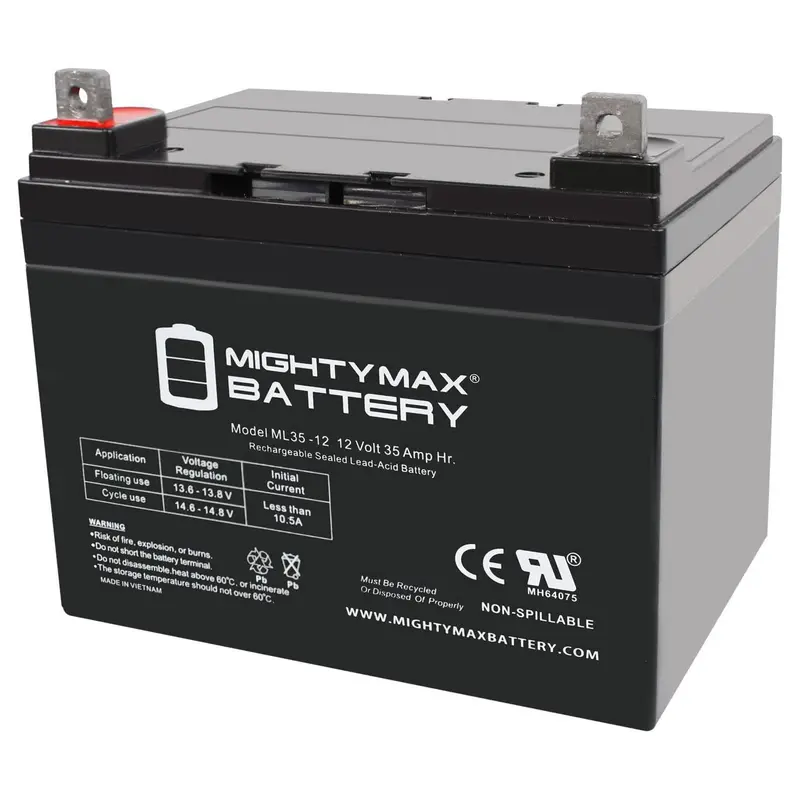
| Mighty Max ML35-12, U1 AGM | 144.99 two-pack | 12 V, 35 Ah |
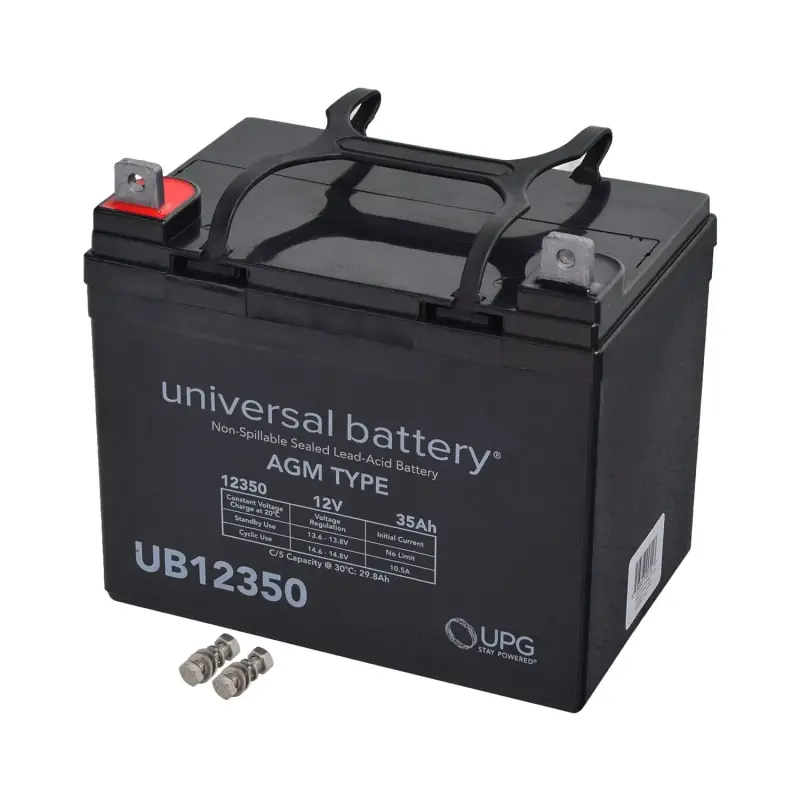
| UPG UB12350, U1 AGM | 164.98 pair | 12 V, 35 Ah; singles 79.99 each |
| UPG UB12550, 22NF AGM | 349.98 pair | 12 V, 55 Ah each; sale price |
| MK M24 SLD G, group 24 gel | 425.95 each (851.90 for two) | 12 V, 73.6 Ah |
| Mighty Max ML35-12LI, U1 lithium | 154.99 each (309.98 for two) | Needs a lithium charger |
| UPG 24BC2000T-4 charger | 59.99 | 24 V, 2 A, XLR; sealed lead-acid, 7 Ah or more |
| UPG 24BC5000T-4 charger | 89.99 | 24 V, 5 A, XLR; AGM or gel, 15 to 50 Ah |
These are guide prices in US dollars from our catalog, checked October 2026, at the retailers listed there: Mighty Max's own store for the Mighty Max batteries, monsterscooterparts.com for the UPG batteries and chargers, and batterystuff.com for the MK battery; the sums for two are ours. Many power chairs and scooters use two 12 V batteries wired as a 24 V set, as the 24-volt chargers in the table show; check the size and number the chair takes before you price them. As an illustration only: if a 950-dollar used chair took 22NF batteries and they needed replacing, a pair listed at 349.98 would add about 37 percent, for 1,299.98 in all, by our sums; a U1 pair at 144.99 would add about 15 percent. How to test, charge and replace batteries, and what battery fires look like in FDA reports, is in the guide to power wheelchair batteries.
Check five: switch it on, drive it and read the error codes
A power chair's controller reports its own faults, and a used chair should be switched on and driven before you pay. On many chairs a fault shows as a flashing light in a numbered pattern. Pride's troubleshooting sheet for the Jazzy 614 with a Dynamic controller is a clear example: "When a fault is detected by the Dynamic controller, the service indicator wrench icon will flash in a numbered sequence, followed by a 2-second pause." The table is that sheet's, for that chair only; other chairs and controllers use other codes, so ask for the manual of the exact model.
| Flash code (Jazzy 614, Dynamic) | Cause, as printed | What the sheet suggests |
|---|---|---|
| 1 | Possible Stall Timeout | Turn joystick off, then on |
| 2 | Battery Fault | Charge batteries, check connections and fuses |
| 3 or 4 | Left or Right Motor Fault | Make sure the motor is plugged in |
| 5 or 6 | Park Brake Fault | Make sure the brake is not in freewheel |
| 7 | Joystick Fault | Check the joystick connection |
| 8 or 9 | Power Module or Communication Fault | Check connections |
| 10 or 11 | Controller or Incompatible Device Fault | Contact Technical Service |
- Switch on with the joystick centred and see that the battery lights come on steadily.
- Drive forward, back and in tight turns, indoors and on a gentle ramp, with someone standing beside the chair. Let go of the joystick on the ramp; the chair should stop and hold.
- Try every powered seat function: tilt, recline, seat lift, elevating legrests. Listen to both motors.
- Put the chair in freewheel and back into drive, and check it will not drive in freewheel.
- Look at the joystick, its mount and its cable for damage. Ask the seller for the controller's software version.
A flashing code at a viewing is not always the end of a sale; a code 2 may be no more than a flat battery. But it is the seller's problem to fix before you pay, not yours after. The guide to power wheelchair repair explains flash codes and error messages across makers.
Check six: the cushion
A used chair often comes with a cushion. The Jazzy Elite HD on the South Carolina store's page is listed with a ROHO cushion. A cushion is not like a frame: it was chosen, or should have been, for the last user's skin, posture and weight, and a worn or wrong cushion can harm the next one. Whether the new user needs that type of cushion, a different one or a new one is for the seating specialist or therapist to decide.
What you can check is its condition. For an air cushion, Permobil's ROHO page says the cushion "is most effective when there is 1/2 inch (1.5 cm) to 1 inch (2.5 cm) of air between the user's bottom and the seating surface," and that under-inflation and over-inflation reduce or eliminate its benefits. It also says to inspect the cushion "for any signs of damage." On a used air cushion, inflate it and see whether it holds air overnight; on foam or gel, look for flattening, tears, leaks and a worn cover.
If the cushion's history is unknown, treat it as a part to review, not a bonus. The guide to wheelchair cushions explains the types and what a seating review covers.
Check seven: age, service life and what happened to it
Some makers print an expected service life for their chairs, and it is worth asking for that figure. Permobil's M1 power chair manual, in the American English edition for Australia that we read, says "The expected service life of this product is five years." That is Permobil's figure for one model; other makers and models give their own, so look in the manual for the chair you are buying. Medicare.gov's definition of durable medical equipment includes equipment "Expected to last at least 3 years," which is a coverage rule, not a promise about any used chair.
Age alone is not the whole story; what the chair has been through matters as much. The same manual says not to use the chair "if it has been dropped, crushed, exposed to fire, submerged in water, or involved in a vehicular accident," because events like these "can lead to significant damage that is impossible to detect upon inspection." Ask the seller directly about floods, crashes, falls and fire. Whether a chair's age matters depends on the maker's figure for that model, how it was used and what was replaced.
Breakdowns are common in ordinary use. The MSKTC guide says "44–57% reported at least one wheelchair breakdown in the past 6 months," and that 20 to 30 percent of users said a breakdown made them miss work and appointments. A used chair with no service record has more unknowns, so the next check matters.
Check eight: will a dealer service it?
A used power chair is only as good as the dealer who will fix it. The makers send owners back to their dealers: Permobil's M1 manual says to contact the dealer "for all service-related needs or questions," and its maintenance schedule ends with a "Complete inspection, safety check, and service performed by an authorized wheelchair dealer." Pride's troubleshooting sheet says to contact "your authorized Pride Provider" with questions. The tick marks that show how often each item is due did not come through in the copy of the M1 manual we read, so we give no interval; ask the dealer.
- Before you buy privately, call a local dealer for that brand and ask whether it will service the model, and whether it can get parts.
- Ask what a safety inspection of a used chair costs, and whether it can be done before the sale.
- Ask whether it can read and update the controller software, since several recent recalls are software fixes.
- Ask for the manual. Many makers publish them, and the dealer can tell you which edition fits the chair.
None of the documents we read says whether dealers take on chairs bought elsewhere; that is a question for the dealer near you, and the answer is worth having before money changes hands. A chair no one nearby will service can cost more than its price.
Check nine: fit, which is for the therapist
A used chair can be in perfect condition and still be wrong for the person who will sit in it. The Jazzy Elite HD listing names its seat, 20 x 20 inches; another user may need a narrower or deeper seat, a different back, different controls or powered seating set up another way. The dealer's page itself says its staff "will help you find the right model that fits your home, vehicle, and lifestyle," which is about the chair and the house, not the body.
Seat width and depth, back height, footrest length, cushion, armrests, the controls and how they are mounted, and whether the user needs tilt or recline are a physical or occupational therapist's or seating specialist's decisions. For a child, that is doubly true; the guide to pediatric wheelchairs explains why. Ask the therapist to see the used chair, or its measurements and photos, before you buy, and ask what would need changing and what that would cost.
Two more points belong here. A chair for a new user may need a funding route that will not pay for a used chair bought privately, so ask the therapist before you buy. And if the user's needs are changing, a borrowed chair may be better than a bought one; the guide to wheelchair rental covers loans and rental.
Used scooters and power add-ons
Scooters are sold used through the same three routes, and the same checks apply: the recall lookup, the frame and seat post, the tires, the batteries and charger, the brakes and the freewheel lever. Scooter recalls sit under product code INI in the FDA's database. Two closed records show what to look at: Electric Mobility recalled scooter seat bases with "insufficient welding," and Golden Technologies recalled Buzzaround XL scooters over a front-to-rear lockup that could become disengaged. On a scooter that splits into pieces, take it apart and put it together again at the viewing.
Power add-ons for manual chairs are sold used too, and they are recorded under the power chair code. Open records cover SmartDrive MX2+ speed control dials, where a faulty connection gives "a potential for lost of control of the device," and PushTracker watches that control the SmartDrive. Ask whether the dial on a used unit was replaced under the recall. Choosing a scooter is covered in the guide to mobility scooters, and power add-ons in the guide to electric wheelchairs.
Does Medicare pay for a used wheelchair?
Does Medicare pay for a used wheelchair? Mobility Atlas read the CMS claims manual and the October 2026 fee schedule on 25 October 2026, with Medicare.gov's pages read earlier in October, and the answer is yes for some codes, when Medicare covers the chair, through an enrolled supplier, at a lower fee. The manual counts as used any equipment "purchased or rented by someone before the current purchase transaction," including demonstrators. Purchase claims say new or used, with the modifiers NU and UE. For the ultralightweight chair code K0005, the used purchase fee is 1,976.01 dollars against 2,634.76 new in most states, 75 percent by our division. The standard chair, the group 2 power chair and the tilt-in-space chair codes we read have rental rows only. Medicare.gov says that after the Part B deductible you pay 20 percent of the Medicare-approved amount "if your supplier accepts assignment." A private seller cannot bill Medicare.
The basic rules for any Medicare-paid chair still apply. Part B covers medically necessary equipment that your doctor or other health care provider orders for use in your home, and Medicare.gov says "You must have a face-to-face examination and a written prescription from a treating provider before Medicare covers a power wheelchair or scooter." Some power chairs need prior authorization, which the supplier usually requests. Whether a chair is medically necessary, and which kind, is the prescriber's decision, not the buyer's.
The rule when the claim does not say new or used
One sentence in the manual matters to anyone whose supplier bills a purchase. Section 130.9 says: "If the provider or supplier fails to indicate on an assigned claim whether equipment was new or used, the MAC processing the claims assumes purchased equipment is used." The manual goes on that the contractor pays "on the basis of the used purchase fee." For an unassigned purchase claim with no new or used flag, it says the contractor develops the claim with the supplier. In plain words: on an assigned claim, a missing flag is paid as used. If you are told a chair is new, ask the supplier to confirm it will be billed with NU.
The fee schedule: new, used and rental fees side by side
The fee schedule is what Medicare allows, not what a shop charges. CMS's page says Medicare pays 80 percent of "the lower of the supplier's actual charge for the item or service or the fee schedule amount," and the beneficiary pays 20 percent of the same lower figure, plus any unmet Part B deductible. These are allowed amounts from the October 2026 file, not prices on any shelf. Where an item is supplied under Medicare's competitive bidding program, the program's own payment amount applies instead; ask the supplier.
| HCPCS code, as described in the file | Modifier | Fee, 48 states and DC (USD) | Note |
|---|---|---|---|
| K0005 Ultralightweight wheelchair | NU, new purchase | 2,590.67 to 2,634.76 | Ceiling 2,634.76 |
| K0005 Ultralightweight wheelchair | UE, used purchase | 1,943.03 to 1,976.01 | Ceiling 1,976.01 |
| K0005 Ultralightweight wheelchair | RR, rental per month | 259.07 to 263.45 | Inexpensive or routinely purchased |
| K0001 Standard wheelchair | RR only | 25.23 to 31.07 non-rural | Rural up to 53.64 |
| K0823 Pwc gp 2 std cap chair | RR only | 328.10 to 353.74 non-rural | Rural 559.39 |
| E1161 Manual adult wc w tiltinspac | RR only | 337.19 | Capped rental |
Four points come out of the table. First, K0005's used purchase fee is 75 percent of its new purchase fee in every contiguous state, by our division: 1,976.01 against 2,634.76, and 1,943.03 against 2,590.67 in the 12 states with the lower figure. The gap is 658.75 dollars at the ceiling. The 75 percent is our computation from the file, not a CMS rule we read, though the claims manual's own worked example uses the same ratio: 500 dollars new, 375 used.
Second, if the supplier accepts assignment and its charge is at or above the fee, 20 percent of the used fee at the ceiling is 395.20 dollars, against 526.95 for new, a difference of 131.75, by our sums, plus any unmet deductible. If the charge is lower than the fee, the share is 20 percent of the charge. If the supplier does not accept assignment, it may charge more.
Third, K0005 sits in the inexpensive or routinely purchased class, marked IN in the file, and CMS says items in that class "can be purchased new or used and can be rented," with total payments capped at the new purchase fee; 42 CFR 414.220 says the total "may not exceed the fee schedule amount recognized for the purchase of that item." Its monthly rental fee is 10 percent of the new purchase fee, by our division. Fourth, the other three codes we read, K0001, K0823 and E1161, have rental rows only, so the file prints no used purchase fee for them. They are in the capped rental class, which CMS says is generally rented for up to 13 months of continuous use, after which "the beneficiary takes over ownership of the equipment." We did not find how Medicare pays for a used chair under those codes; ask the supplier.
Buying the chair you have been renting
If Medicare rents you a capped rental chair, you can end up owning it. For capped rental items, 42 CFR 414.229 says the supplier "must transfer title to the item to the beneficiary on the first day that begins after the 13th continuous month in which payments are made." Until then, in our reading, the chair belongs to the supplier, so it is not yours to sell or donate. The rule also says that, no later than two months before title passes, the supplier must tell you whether it can maintain and service the chair after you own it.
The claims manual explains how a rent-then-buy purchase is paid for equipment Medicare lets you buy, such as K0005 in the inexpensive or routinely purchased class; a capped rental chair generally passes to you under the 13-month rule above. Its example uses 500 dollars new, 375 used and 50 a month to rent. If a beneficiary rented the item new for one month and then bought it for 500, "The amount allowed for the purchase is $450," the manual says: the new fee minus the month of rent, rather than the used fee. If they bought it for 400, the allowed amount is 400, because payment "may not exceed the actual charge." For previously rented inexpensive and routinely purchased items billed with the UE modifier, a later section says the allowed amount is the lower of "the purchase fee schedule amount (UE) minus previous paid rental amounts or the actual charge." Ask the supplier which rule it is using, in writing.
The rental route and the 13-month rule are explained in full in the guide to wheelchair rental.
Selling a chair you no longer need
If you are selling, the buyer's checklist is your checklist. A buyer who can see the model, the serial number, the battery age and a clean recall check will trust the price more, and you will field fewer questions.
- Make sure the chair is yours to sell. A chair under a Medicare capped rental becomes yours only when title passes; a chair on long-term loan from a program, such as Project MEND, is, in our reading, still the program's, so ask it before you sell.
- Check recalls in the FDA database for the model and serial number, and call the maker if a record matches. The CPSC's resale rule does not, in our reading, govern wheelchairs, but that does not make selling a recalled chair lawful or safe. If a record matches, ask the maker whether the correction was done before you sell, tell the buyer in writing, and ask a lawyer if the question matters.
- Write a plain listing: maker, model, year, seat size, weight capacity, battery type and age, charger included, and every known fault. The South Carolina store's note about torn armrests is a good model of honesty.
- Gather the manual, the charger, spare parts, receipts and any service record.
- Remove personal settings and any app pairing from a connected chair, and reset the controller if the manual says how.
- Let the buyer test it, and give a written receipt with the model and serial number.
A cushion is personal. Offer it separately, say how old it is, and suggest the buyer ask their seating specialist whether it suits them. A dealer may also buy chairs or take them in trade; ask your local dealer, since the pages we read do not say.
Donating a chair
Donating a chair to a reuse program puts it back into use, often for someone who could not buy one. The AT3 Center's directory lists each state's program, and reuse is one of the activities the AT Act sets out; TTAP, for example, lists Project MEND in San Antonio and other programs in Houston, El Paso and Austin. FODAC, in the Atlanta area and Savannah, describes itself as a nonprofit that "recycles home medical equipment and assistive technology."
- Call first. The Pass It On Center's indicators say a program should have written policies on the types of device it will accept, so ask whether it takes your kind of chair, and whether it collects.
- Bring proof the chair is yours. The same indicators say a program should confirm "the donor has the right to sell or donate the equipment."
- Bring the manual, the charger and the serial number, and say what you know about faults and recalls.
- Ask what happens to the batteries. Permobil's manual says used batteries "must be disposed of responsibly in accordance with local recycling regulations."
- Ask for a receipt for your records.
A program that refurbishes chairs to the maker's specifications and tracks recalls can tell the next user what was checked and contact them if a recall follows, which a curb or a classified ad cannot. That is a good reason to choose one.
Used wheelchairs near me: what to search and what to ask
We cannot list the sellers in your town, and a list of names would be out of date by next month. What we can do is tell you what to search for and what to ask, so a few calls settle where the good used chairs are.
What to search for
- For a dealer's stock: used power wheelchairs, used mobility scooters or demo power chair, with your town, and mobility dealer or home medical equipment with your town. Look for a used or pre-owned page on the dealer's site.
- For refurbished chairs: refurbished power chair or refurbished wheelchair with your state, and your state's assistive technology program, listed in the AT3 Center's directory.
- For loan closets and charities: medical equipment reuse, equipment loan closet or durable medical equipment donation, with your town or county.
- For Medicare: ask your doctor's office which supplier it sends orders to, and ask that supplier whether it ever supplies used equipment and bills it with the UE modifier.
What to ask on the phone
- What used or demo chairs do you have in this user's seat size and weight capacity?
- How old is each chair, and how old are its batteries? What charger comes with it?
- Was it a demo, a rental return or a trade-in? Has it been in a crash, a flood or a fire?
- What did your inspection cover, and can I see the checklist?
- Have you checked the serial number for recalls, and is the controller software up to date?
- Is there a written warranty? Can I return it if the therapist says it does not fit?
- Will you service it, and do you stock its parts?
- Do you bill Medicare or insurance for used equipment, and will you accept assignment?
Write the answers down with the date and the name of the person you spoke to. If two sellers quote different prices for what sounds like the same chair, the answers to questions 2, 3 and 6 may explain the gap.
Three traps
Trap one: buying the price and not the batteries. A used power chair with old batteries is a chair plus a bill. The dealer pages we read do not print battery age, and a pair of larger batteries in our catalog costs several hundred dollars. Ask the age and price the batteries in before you agree.
Trap two: assuming a closed recall means a fixed chair. A terminated recall is closed in the FDA's file; in our reading, it does not tell you whether this used chair ever had the correction. Recent power chair recalls are often software fixes that leave no mark on the outside. Ask the maker or a dealer with the serial number.
Trap three: buying a chair that fits the last user. A good used chair in the wrong size, with the wrong cushion or controls, may need changes that cost more than the saving, and it can harm the person who sits in it. Show the chair, or its measurements, to the therapist before you pay, and ask whether funding for a properly fitted chair is possible first.
Three composite scenarios
These are composite scenarios, not individual customers. Each one combines facts and ranges already given in this guide to show how the decision plays out.
Scenario one: a family looks for a used power chair for a parent who can no longer walk far, and finds a dealer listing at 950 dollars. They ask the battery age and learn the batteries are original; they ask for a price with new batteries, a written warranty and the serial number. They look up the model in the FDA database, find no record for it, and ask the parent's occupational therapist to check the seat size before they pay.
Scenario two: a user is offered a two-year-old Quantum chair by a private seller. The FDA database lists a 2026 software recall for that model. Before buying, the user calls a Quantum dealer with the serial number, learns that the software update had not been installed, and books the update as a condition of the sale.
Scenario three: a person whose doctor has ordered an ultralightweight chair is offered a demo chair by an enrolled supplier that accepts assignment. The supplier confirms it will bill the chair with the UE modifier. At the ceiling fee, with a charge at or above it, 20 percent of the used fee is 395.20 dollars against 526.95 for new, plus any unmet deductible. The therapist checks that the demo chair can be set up for the user before it is delivered.
Questions for the therapist and the Medicare supplier
The questions for the seller and the dealer are in the phone list above. Two more people need asking.
The therapist or seating specialist
- Does this chair's seat size, back and controls suit the user, or what would need changing?
- Is the cushion right, or should it be reviewed?
- Would a funded, fitted chair be possible, and does buying used affect that?
A Medicare supplier
- Will this chair be billed as new (NU) or used (UE), and will you accept assignment?
- What will I pay, in writing, before delivery?
If you would like help comparing a used chair with a new one, send an enquiry with the model, the price and the user's measurements, and we will set it against the published prices and documents in this guide.
Sources and documents
Every document we read is named in the section on how we compared and linked in the list at the end of this page.
Related guides on Mobility Atlas: Wheelchair rental and loans; Power wheelchair batteries; Power wheelchair repair; Manual wheelchair repair; Lightweight wheelchairs.
Method in brief: we read each saved page in full or in the sections named in its file, copied every price, fee and count as printed, and computed only simple ratios, differences and sums, which are shown in the text and kept in a facts file. The fee figures come from four rows of the October 2026 fee schedule; the 75 percent ratio, the 20 percent shares and the ranges across states are our arithmetic. Recall totals are the database's own result counts on 25 October 2026; open and closed status is from the openFDA records read on 10 October 2026. Where we say what a law means for wheelchairs, we say it is our reading. The dealer prices are one store's printed prices, not a quote and not a ranking. We did not buy, inspect or test any chair.
Prices checked October 2026 on Mobility Plus Northeast Columbia's pages and in our catalog; prices change, and used stock sells, so confirm them with the seller. Documents checked October 2026: the CMS manual, fee schedule and payment page, the eCFR rules, the Medicare.gov pages, the FDA database and pages, the CPSC page, the US Code sections, the AT3 Center, TTAP, FODAC and Pass It On Center pages, and the makers' documents.
Have you bought, sold or donated a used chair? Send us a note through the enquiry form with what you paid, what you checked and how it went; we use readers' notes when we update the guide.
This article is general information. Rules and prices differ by country and change, so confirm them before you buy or travel.
Common questions
Where can I buy a used wheelchair near me?
Three places: a mobility or home medical equipment dealer with a used or demo page, your state's assistive technology program or a reuse charity, and private sellers. Search used power wheelchairs or refurbished power chair with your town, and find your state program in the AT3 Center's directory. Ask the age, the battery age, the serial number and whether there is a warranty.
How much does a used power wheelchair cost?
It depends on the model, age and seller. One dealer in Columbia, South Carolina, listed used power chairs at 950 to 3,500 dollars on 25 October 2026, without stating warranty or battery age. Reuse programs may be free or low cost; FODAC in Georgia charges a one-time 25-dollar registration fee. Prices differ by city, seller, country and funding, so confirm every figure.
How do I check if a used wheelchair has been recalled?
Search the FDA's Medical Device Recalls database by product code (ITI power chairs, IOR manual chairs, INI scooters) or by model name. On 25 October 2026 it returned 71, 40 and 22 results. Then give the maker or a dealer the serial number and ask whether that unit was affected and whether the correction was done.
Does Medicare pay for a used wheelchair?
For some codes, when Medicare covers the chair, through an enrolled supplier. Claims must say whether a purchase is new (NU) or used (UE). For K0005 the October 2026 used purchase fee is 1,976.01 dollars against 2,634.76 new in most states. K0001, K0823 and E1161 have rental rows only in the file. After the Part B deductible, you pay 20 percent of the Medicare-approved amount if the supplier accepts assignment. A private seller cannot bill Medicare.
Is it legal to sell a recalled wheelchair?
The CPSC's resale ban covers consumer products, and federal law excludes FDA medical devices from that term. In our reading, that ban does not reach wheelchairs and scooters, whose recalls are listed in the FDA's database. That does not make selling a recalled chair lawful or safe. Check the FDA database before you sell, tell the buyer what you found, and ask a lawyer if the question matters; this is our reading, not legal advice.
Where can I donate a used wheelchair?
Call your state's assistive technology program, listed in the AT3 Center's directory, or a reuse charity, such as the programs TTAP lists in Texas or FODAC in Georgia, which says it recycles home medical equipment. Ask whether they accept your type of chair, bring proof it is yours, the manual and the charger, and ask what happens to the batteries.
Sources
- CMS: Medicare Claims Processing Manual, Chapter 20, DMEPOS (used equipment, modifiers NU, UE, RR)
- CMS: DMEPOS fee schedule, October 2026 (DME26-D)
- CMS: Payment policies for DMEPOS items and services (DME payment classes)
- eCFR: 42 CFR 414.220, Inexpensive or routinely purchased items
- eCFR: 42 CFR 414.229, Other durable medical equipment, capped rental items
- Medicare.gov: Wheelchairs and scooters
- Medicare.gov: Durable medical equipment (DME) coverage
- FDA: Medical Device Recalls database (searched 25 October 2026)
- FDA: Medical Device Recalls and Early Alerts
- FDA: Recall and alert resources
- FDA: What is a medical device recall?
- openFDA: device recall records, product code ITI (powered wheelchairs)
- openFDA: device recall records, product code IOR (manual wheelchairs)
- openFDA: device recall records, product code INI (scooters)
- eCFR: 21 CFR 890.3860, Powered wheelchair
- eCFR: 21 CFR 890.3850, Mechanical wheelchair
- eCFR: 21 CFR 890.3800, Motorized three-wheeled vehicle
- CPSC: Stopping the online sale of recalled products
- Legal Information Institute: 15 U.S. Code 2068, Prohibited acts
- Legal Information Institute: 15 U.S. Code 2052, Definitions (consumer product)
- AT3 Center: AT Act frequently asked questions
- AT3 Center: Directory of state AT Act programs
- Texas Technology Access Program: Recycle and reuse (Project MEND and others)
- FODAC: Medical equipment (how to request)
- FODAC: Home page
- Pass It On Center: Indicators of Quality for AT Reuse, 2011 report (Wayback Machine copy)
- Mobility Plus Northeast Columbia, SC: Used mobility equipment (prices read 25 October 2026)
- Permobil: M1 user manual, American English for Australia, document 337748 eng-AUS (dealer-hosted copy)
- Pride Mobility: Jazzy 614 basic troubleshooting, Dynamic controller flash codes
- MSKTC: Maintenance guide for users of manual and power wheelchairs
- MK Battery: FAQs about proper HME battery charging
- Permobil: ROHO inflation, set up and check in five steps
- Pride Mobility: Jazzy EVO 613 Li specifications (catalog row PW-005)
- Quantum Rehab: Edge 3 Stretto (catalog row PW-004)
- Mighty Max Battery: ML35-12 U1 battery (catalog row AC-313)
- Monster Scooter Parts: UPG UB12350 U1 battery (catalog row AC-309)
- Monster Scooter Parts: UPG UB12550 22NF battery pair (catalog row AC-311)
- BatteryStuff: MK Battery M24 SLD G (catalog row AC-312)
- Mighty Max Battery: ML35-12LI U1 lithium (catalog row AC-314)
- Monster Scooter Parts: UPG 24BC2000T-4 charger (catalog row AC-317)
- Monster Scooter Parts: UPG 24BC5000T-4 charger (catalog row AC-318)
Read on 25 October 2026. The wording of the article is our own.